Discover evidence-based natural remedies, world-class holistic practitioners, and carefully curated wellness products — all in one sanctuary.
Trust First
Where Ancient Wisdom Meets Careful Review
HolisticVox brings together verified practitioners, evidence-checked articles, curated wellness resources, and bilingual guidance in English and Spanish.
Verified practitioners
Applications are reviewed before a public listing goes live.
Evidence-checked articles
Educational wellness content is framed with caution and uncertainty where needed.
Curated resources
Product mentions stay separate from medical endorsement.
English and Spanish
Core guidance is built for bilingual access.
Simple & Powerful
Explore Your Path to Natural Wellness
From time-tested herbal remedies to expert-led sessions, HolisticVox guides you through every dimension of holistic health with clarity and science-backed confidence.
Learn
Browse our library of expert articles covering natural remedies, breathwork, nutrition, and the science of precious metal wellness.
Book a Session
Connect 1-on-1 with verified holistic practitioners — naturopaths, herbalists, acupuncturists, and functional medicine doctors.
Shop HolisticVox Market
Healthy food for families, clean supplements, and vetted wellness products — hand-selected with HolisticVox Approved standards.
Tailored Wellness
Wellness for Every Body
Explore content tailored to your unique needs — from hormone health to pet care.
♀Women's Health
♂Men's Health
Little Ones
Pets Health
Natural Remedies
Autism Hub
Sleep & Recovery
Immune Health
⚡Longevity & Prevention
Evidence-Informed Topic
Gold & Silver Wellness Research
HolisticVox covers precious metal wellness as an educational topic, balancing traditional interest with modern safety questions, regulatory caution, and evidence review.
Our content looks at what is known, what remains uncertain, and when readers should speak with a qualified health professional before using colloidal silver, gold, or detox-related products.
✨
Colloidal Silver
Safety-first education; not a disease treatment or replacement for care
Colloidal Gold
Research notes, tradition, and uncertainty presented plainly
Detox Claims
Careful review of claims, risks, and exposure-reduction basics
Natural Wellness
Educational resources with medical-disclaimer guardrails
Evidence-Based Content
Latest Wisdom
Stress & Anxiety
Natural Remedies for Anxiety: 7 Holistic Approaches That Actually Help
From adaptogenic herbs to breathwork and magnesium glycinate — a comprehensive guide to calming your nervous system naturally.
8 min read
Gut Health
How to Improve Gut Health Naturally (Foods + Herbs That Work)
The gut-brain connection is real. Learn which fermented foods, herbs, and protocols heal your microbiome from the inside out.
10 min read
Daily Practice
Morning Routine for Holistic Energy and Mental Clarity
A practical morning framework combining light exposure, movement, nutrition, and mindfulness for all-day energy.
6 min read
HolisticVox Market
Curated for Clean Living
Affiliate disclosure:HolisticVox carefully selects partner products. When you purchase through our links, we earn a small commission at no extra cost to you.
"HolisticVox completely changed how I manage my chronic fatigue. The articles are science-backed but easy to understand."
— Maria G., Texas
★★★★★
"Finally a wellness platform in Spanish that doesn't talk down to me. The recipes are delicious and actually healing."
— Carlos M., Miami
★★★★★
"I found my practitioner through the directory. Best decision for my health this year."
— Sarah L., California
★★★★★
"The supplement guides saved me so much money. I only buy what I actually need now."
— Ana R., New York
Join Our Network
Are You a Holistic Health Practitioner?
Apply for the founding practitioner directory. Listings are reviewed before publication, and paid placement never means medical endorsement or guaranteed clients.
Stay Connected to Your Wellness
Weekly wisdom, exclusive practitioner insights, and curated remedy recommendations — direct to your inbox. No spam. Just healing.
Join thousands of wellness seekers. Unsubscribe anytime.
Wellness HubCentro de Bienestar
Explore Natural Wellness TopicsExplora Temas de Bienestar Natural
Choose a topic below to open focused articles, remedies, recipes, and practitioner pathways.Elige un tema a continuación para acceder a artículos, remedios, recetas y rutas hacia profesionales.
Browse by life stage, system, and modalityExplora por etapa de vida, sistema y modalidad
Find the right starting pointEncuentra el punto de partida ideal
Women's HealthSalud femenina
Hormones, menopause, pregnancy, emotional wellness, and natural daily support.Hormonas, menopausia, embarazo, bienestar emocional y apoyo natural diario.
Men's HealthSalud Masculina
Testosterone, immune health, stress, vitality, and prevention-focused care.Testosterona, salud inmunológica, estrés, vitalidad y cuidado enfocado en la prevención.
Little OnesNiños
Natural immune support, sleep, gut health, and family wellness foundations.Apoyo inmune natural, sueño, salud intestinal y bases de bienestar familiar.
Pets HealthSalud de Mascotas
Gentle natural support for digestion, anxiety, mobility, and aging pets.Apoyo natural suave para digestión, ansiedad, movilidad y mascotas mayores.
Natural RemediesRemedios naturales
Evidence-informed herbs, foods, and home protocols for common concerns.Hierbas, alimentos y protocolos caseros basados en evidencia para problemas comunes.
Autism HubCentro de autismo
Educational biomedical and holistic support topics for parents and caregivers.Temas educativos de apoyo biomédico y holístico para padres y cuidadores.
Mind & BodyMente y cuerpo
Meditation, breath, movement, emotional regulation, and nervous system tools.Meditación, respiración, movimiento, regulación emocional y herramientas para el sistema nervioso.
AcupunctureAcupuntura
Traditional point-based care for pain, stress, sleep, fertility, and balance.Cuidado tradicional basado en puntos para dolor, estrés, sueño, fertilidad y equilibrio.
AyurvedaAyurveda
Ancient constitution-based wellness, digestion, herbs, and daily rhythms.Bienestar ancestral basado en la constitución corporal, digestión, hierbas y ritmos diarios.
Traditional Chinese MedicineMedicina Tradicional China
Qi, herbs, food energetics, acupuncture, and seasonal balance.Qi, hierbas, energética de los alimentos, acupuntura y equilibrio estacional.
Sound HealingSanación con Sonido
Frequency, vibration, relaxation, and restorative nervous system practices.Frecuencia, vibración, relajación y prácticas restaurativas para el sistema nervioso.
BreathworkRespiración Consciente
Breathing practices for stress, focus, energy, and emotional release.Prácticas de respiración para estrés, enfoque, energía y liberación emocional.
Forest BathingBaño de Bosque
Nature immersion for immunity, cortisol reduction, and emotional grounding.Inmersión en la naturaleza para inmunidad, reducción de cortisol y equilibrio emocional.
Anti-Inflammatory DietDieta Antiinflamatoria
Foods, recipes, and habits that calm chronic inflammation naturally.Alimentos, recetas y hábitos que calman la inflamación crónica de forma natural.
Intermittent FastingAyuno Intermitente
Simple fasting rhythms for metabolic health, autophagy, and clarity.Ritmos simples de ayuno para salud metabólica, autofagia y claridad mental.
Gut MicrobiomeMicrobioma Intestinal
Fermented foods, prebiotics, probiotics, and gut-brain support.Alimentos fermentados, prebióticos, probióticos y apoyo al eje intestino-cerebro.
LongevityLongevidad
Prevention, cellular health, brain support, sleep, and healthy aging.Prevención, salud celular, apoyo cerebral, sueño y envejecimiento saludable.
DetoxificationDesintoxicación
Gentle support for liver, lymph, sweating, hydration, and daily exposure reduction.Apoyo suave para hígado, sistema linfático, sudoración, hidratación y reducción de exposición diaria.
Sleep OptimizationOptimización del Sueño
Natural sleep routines, minerals, herbs, light exposure, and nervous system calm.Rutinas naturales de sueño, minerales, hierbas, exposición a la luz y calma del sistema nervioso.
Massage & Body TherapiesMasaje y Terapias Corporales
Hands-on modalities for pain, recovery, relaxation, and embodied healing.Modalidades prácticas para dolor, recuperación, relajación y sanación corporal.
HerbalismHerbolaria
Plant-based remedies, preparations, safety, and practical herb education.Remedios a base de plantas, preparaciones, seguridad y educación práctica sobre hierbas.
EFT TappingEFT (Técnica de Liberación Emocional)
Emotional freedom technique for stress, fear, habits, and self-regulation.Técnica de libertad emocional para estrés, miedo, hábitos y autorregulación.
Holistic PediatricsPediatría Holística
Whole-child wellness, nutrition, sleep, immunity, and parent-friendly support.Bienestar integral infantil, nutrición, sueño, inmunidad y apoyo práctico para padres.
Menopause NaturallyMenopausia de Forma Natural
Hot flashes, mood, bones, sleep, and hormone-supportive lifestyle tools.Bochornos, ánimo, huesos, sueño y hábitos que apoyan el equilibrio hormonal.
Holistic PregnancyEmbarazo Holístico
Gentle pregnancy wellness, food, stress support, and practitioner guidance.Bienestar suave durante el embarazo, alimentación, apoyo para el estrés y guía profesional.
Men's Hormonal HealthSalud Hormonal Masculina
Energy, testosterone, strength, recovery, sleep, and metabolic foundations.Energía, testosterona, fuerza, recuperación, sueño y bases metabólicas.
Elder WellnessBienestar en la Edad Mayor
Mobility, brain health, nutrition, sleep, and graceful aging support.Movilidad, salud cerebral, nutrición, sueño y apoyo para un envejecimiento saludable.
New Here?
Start Here
Welcome to HolisticVox. Whether you're beginning your wellness journey or going deeper — this is where to start.
Your Journey
Follow These Steps
1
Understand Holistic Healing
Holistic healing treats the whole person — body, mind, and spirit — combining evidence-based natural therapies with lifestyle changes for lasting transformation.
2
Identify Your Health Goal
Start with one area: stress, gut health, energy, sleep, inflammation, hormonal balance, immune health, or weight management. Focus beats everything.
3
Read Your First Article
Dive into our most popular guides on anxiety, gut health, anti-inflammatory foods, morning routines, or sleep.
4
Try One Recipe This Week
Food is medicine. Start with our Golden Turmeric Latte, Gut-Healing Smoothie, or Bone Broth Soup.
5
Explore HV Market
We've curated only what we'd personally use — trusted products from iHerb, Amazon, Touchstone, and BioGaia.
6
Connect with a Practitioner
Ready to go deeper? Browse our vetted directory of holistic healers — naturopaths, herbalists, and functional medicine doctors.
Start HereEmpieza Aquí
Understanding Holistic HealingEntendiendo la Sanación Holística
A simple guide to whole-person wellness: body, mind, spirit, lifestyle, and root-cause care.Una guía sencilla para el bienestar integral: cuerpo, mente, espíritu, estilo de vida y cuidado de la raíz del problema.
HolisticVox FoundationsFundamentos de HolisticVox
Holistic healing looks at the whole person instead of treating symptoms in isolation. It asks what may be contributing to imbalance: food, sleep, stress, movement, emotions, environment, spiritual life, relationships, and medical history.
This approach does not reject conventional medicine. The goal is to combine the best of modern science with time-tested natural practices so people can make safer, more informed choices.
The Core Idea
Root Cause First
Instead of asking only, “What can suppress this symptom?”, holistic care also asks, “Why is the body struggling here, and what support would help it restore balance?”
Connection: Purpose, relationships, spirituality, and feeling supported while healing.
Where to Begin
Start small. Choose one health goal, read one article, try one recipe, and track how your body responds. Healing is often built from simple habits repeated with care.
La sanación holística ve a la persona completa en lugar de tratar síntomas de forma aislada. Se pregunta qué puede estar contribuyendo al desequilibrio: alimentación, sueño, estrés, movimiento, emociones, entorno, vida espiritual, relaciones e historial médico.
Este enfoque no rechaza la medicina convencional. El objetivo es combinar lo mejor de la ciencia moderna con prácticas naturales probadas por el tiempo para que las personas puedan tomar decisiones más seguras e informadas.
La Idea Central
Primero la Raíz del Problema
En lugar de preguntar solo, “¿Qué puede suprimir este síntoma?”, el cuidado holístico también pregunta, “¿Por qué el cuerpo está luchando aquí, y qué apoyo le ayudaría a restaurar el equilibrio?”
Los Cinco Pilares
Nutrición: Calidad de los alimentos, hidratación, equilibrio de azúcar en sangre y patrones de alimentación antiinflamatorios.
Sistema nervioso: Reducción del estrés, respiración consciente, sueño, seguridad emocional y ritmo diario.
Movimiento: Caminar, fuerza, movilidad, circulación y flujo linfático.
Entorno: Productos limpios, aire, agua, luz solar y reducción de exposiciones tóxicas evitables.
Conexión: Propósito, relaciones, espiritualidad y sentirse apoyado durante la sanación.
Dónde Empezar
Empieza en pequeño. Elige una meta de salud, lee un artículo, prueba una receta y observa cómo responde tu cuerpo. La sanación a menudo se construye con hábitos simples repetidos con cuidado.
Continue your journeyContinúa tu camino
Explore the Wellness Hub to choose a topic such as sleep, gut health, anxiety, inflammation, women’s health, children, pets, or longevity.Explora el Centro de Bienestar para elegir un tema como sueño, salud intestinal, ansiedad, inflamación, salud femenina, niños, mascotas o longevidad.
Wisdom Library
Evidence-Based Natural Wisdom
In-depth guides on natural remedies, healing strategies, and holistic wellness — written with clarity and backed by research.
Stress & Anxiety
Natural Remedies for Anxiety: 7 Holistic Approaches That Actually Help
From adaptogenic herbs to breathwork and magnesium glycinate — a comprehensive guide to calming your nervous system naturally.
8 min read
Gut Health
How to Improve Gut Health Naturally (Foods + Herbs That Work)
The gut-brain connection is real. Learn which fermented foods, herbs, and protocols heal your microbiome from the inside out.
10 min read
Supplements
Best Supplements for Stress Relief and Nervous System Support
Ashwagandha vs Rhodiola vs L-Theanine — a side-by-side comparison with dosage guides and trusted product links.
7 min read
Daily Practice
Morning Routine for Holistic Energy and Mental Clarity
A practical morning framework combining light exposure, movement, nutrition, and mindfulness for all-day energy.
6 min read
Nutrition
Top Anti-Inflammatory Foods and How to Use Them Daily
Chronic inflammation drives most modern disease. These 12 foods — including turmeric, ginger, and omega-rich seeds — can shift your biology in weeks.
9 min read
Sleep & Recovery
Natural Sleep Remedies That Actually Work (No Melatonin Needed)
Magnesium glycinate, valerian root, sleep hygiene, and circadian rhythm hacks — a complete evidence-based sleep protocol.
8 min read
Healing Recipes
Food as Medicine
Nourishing, anti-inflammatory recipes designed to heal your gut, boost energy, and support hormonal balance.
Anti-Inflammatory
Golden Turmeric Latte
Turmeric, ginger, black pepper, and coconut milk to reduce inflammation and support joint health.
⏱ 5 minVegan⭐ 4.9
Gut Health
Gut-Healing Green Smoothie
Kefir, spinach, banana, ginger, and collagen peptides for a microbiome-boosting breakfast.
⏱ 3 min Probiotic⭐ 4.8
Healing
Slow-Cooked Bone Broth
Rich in collagen, glycine, and minerals — a gut-lining repair protocol in a bowl.
⏱ 4 hrs Collagen⭐ 4.9
Energy
Adaptogen Moon Milk
Maca, ashwagandha, cacao, and warm oat milk — stress-busting and deeply nourishing.
⏱ 7 min Adaptogenic⭐ 4.7
Sleep
Elderberry Bedtime Tea
Elderberry, chamomile, passionflower, and lemon balm for restorative sleep and immune support.
⏱ 8 min Nighttime⭐ 4.9
Hormones
Hormone-Balancing Buddha Bowl
Roasted salmon, seed cycling blend, quinoa, avocado, and brassica vegetables.
⏱ 25 min♀ Women's⭐ 4.8
HV Market
Curated for Clean Living
Healthy food for families, natural supplements, and holistic wellness — every product vetted for ingredient quality, transparency, and real-world value.
Amazon
Women's Health / Hormones & Cycle SupportSalud femenina / Hormonas y Ciclo Menstrual
Vitex Chaste Tree Berry Capsules – 400mg (Nature's Way)Cápsulas de Vitex (Sauzgatón) – 400mg (Nature's Way)
HV Amazon Pick
Top-selling herbal supplement for PMS, luteal phase support, and hormonal balance. Matches Women's Health hormone article.Suplemento herbal más vendido para el SPM, apoyo de la fase lútea y equilibrio hormonal. Coincide con el artículo de hormonas de Salud femenina.
Bestselling adaptogen for women's energy, libido, and menopausal symptoms. Matches menopause and hormone articles.Adaptógeno más vendido para energía femenina, libido y síntomas de la menopausia. Coincide con los artículos de menopausia y hormonas.
Premium prenatal paired with Natal Choline for brain development support — a two-bottle bundle, high commission item.Prenatal premium combinado con Colina Natal para apoyar el desarrollo cerebral — un paquete de dos frascos.
Vegan, no-fillers formula, 60-day supply, for natural menopause relief.Fórmula vegana sin rellenos, suministro para 60 días, para alivio natural de la menopausia.
Alcohol-free liquid extract supporting a healthy response to stress — 2 fl oz dropper bottle.Extracto líquido sin alcohol que apoya una respuesta saludable al estrés — frasco gotero de 2 fl oz.
Well-absorbed zinc supporting growth and immune function. Matches both men's health articles.Zinc de buena absorción que apoya el crecimiento y la función inmune. Coincide con ambos artículos de salud masculina.
Men's Health / Longevity & EnergySalud Masculina / Longevidad y Energía
Life Extension Super Ubiquinol CoQ10 – 100mg (60 Softgels)Life Extension Super Ubiquinol CoQ10 – 100mg (60 cápsulas blandas)
HV Amazon Pick
Enhanced mitochondrial support for heart health and cellular energy — matches men's vitality after 40 article.Apoyo mitocondrial mejorado para la salud cardíaca y la energía celular — coincide con el artículo de vitalidad masculina después de los 40.
Most evidence-backed supplement for muscle and cognitive function — 120 servings, banned-substance tested.Suplemento con más respaldo científico para músculo y función cognitiva — 120 porciones, probado contra sustancias prohibidas.
Immune & General Wellness / Immune SupportInmunidad y Bienestar General / Apoyo inmunológico
Vitamin D3 + K2 5000 IU w/ Coconut Oil (Sports Research, 60 Softgels)Vitamina D3 + K2 5000 UI con Aceite de Coco (Sports Research, 60 cápsulas blandas)
HV Amazon Pick
Top-rated D3+K2 combo with coconut MCT for absorption — referenced in women's, men's, children's, and autism hub articles.Combo D3+K2 mejor calificado con MCT de coco para absorción — referenciado en artículos de salud femenina, masculina, infantil y del centro de autismo.
Immune & General Wellness / Immune SupportInmunidad y Bienestar General / Apoyo inmunológico
Elderberry Gummies with Zinc & Vitamin C and D3 (Nature's Way Sambucus, 60 ct)Gomitas de Saúco con Zinc y Vitaminas C y D3 (Nature's Way Sambucus, 60 uds)
HV Amazon Pick
Best-selling elderberry product on Amazon. Referenced in immune articles across multiple hubs.Producto de saúco más vendido en Amazon. Referenciado en artículos de salud inmunológica en varios centros.
Immune & General Wellness / Gut HealthInmunidad y Bienestar General / Salud intestinal
Garden of Life RAW Probiotics Ultimate Care – 100 Billion CFU (30 ct)Probióticos RAW Ultimate Care de Garden of Life – 100 Mil Millones UFC (30 cáps)
HV Amazon Pick
Top-rated high-potency probiotic. Referenced in gut health articles across children's, autism, and women's hubs.Probiótico de alta potencia mejor calificado. Referenciado en artículos de salud intestinal en los centros infantil, de autismo y femenino.
Immune & General Wellness / Gut HealthInmunidad y Bienestar General / Salud intestinal
Psyllium Husk Powder Organic (NOW Foods, 24 oz)Polvo de Cáscara de Psyllium Orgánico (NOW Foods, 24 oz)
HV Amazon Pick
Bestselling fiber supplement for gut health and hormone balance. Matches multiple article references.Suplemento de fibra más vendido para salud intestinal y equilibrio hormonal. Coincide con varias referencias de artículos.
Premium magnesium glycinate — the most referenced supplement in autism hub articles. Clean formula, trusted brand.Glicinato de magnesio premium — el suplemento más referenciado en los artículos del centro de autismo. Fórmula limpia, marca confiable.
Clinical-grade DHA for brain health — referenced in autism nutrition and folinic acid articles.DHA de grado clínico para la salud cerebral — referenciado en los artículos de nutrición en autismo y ácido folínico.
Low-dose melatonin — specifically recommended in autism sleep article for children. Unique low-dose formula.Melatonina de dosis baja — recomendada específicamente en el artículo de sueño y autismo para niños. Fórmula única de dosis baja.
Gut Health / Digestive SupportSalud intestinal / Apoyo Digestivo
Zenwise Health Digestive Enzymes, Probiotics, for Gut Health Bloat – 60 ctEnzimas Digestivas y Probióticos Zenwise Health, para Salud intestinal e Hinchazón – 60 cáps
HV Amazon Pick
Premium digestive enzyme blend — referenced in gut health, aging pets, and Ayurveda articles.Mezcla premium de enzimas digestivas — referenciada en artículos de salud intestinal, mascotas mayores y Ayurveda.
Specialty probiotic for acute GI issues — referenced in children's gut health and pets articles.Probiótico especializado para problemas gastrointestinales agudos — referenciado en artículos de salud intestinal infantil y de mascotas.
Gut Health / Gut HealingSalud intestinal / Sanación Intestinal
Collagen Peptides Advanced + Hyaluronic Acid & Vitamin C – Vital Proteins (20 oz)Péptidos de Colágeno Avanzado + Ácido Hialurónico y Vitamina C – Vital Proteins (20 oz)
HV Amazon Pick
Best-selling collagen for gut lining support — referenced in gut health and little ones articles. Massive market.Colágeno más vendido para apoyar el revestimiento intestinal — referenciado en artículos de salud intestinal e infantil.
Best-selling curcumin on Amazon. Directly referenced in pain & inflammation natural remedies article.Cúrcuma más vendida en Amazon. Referenciada directamente en el artículo de remedios naturales para dolor e inflamación.
Clinical-grade boswellia — directly referenced in pain & inflammation article. Growing search volume.Boswellia de grado clínico — referenciada directamente en el artículo de dolor e inflamación.
Premium high-dose omega-3 — referenced across inflammation, autism, men's, women's, and pets articles.Omega-3 premium de dosis alta — referenciado en artículos de inflamación, autismo, salud masculina, femenina y de mascotas.
Natural Remedies / Home RemediesRemedios naturales / Remedios Caseros
Manuka Honey MGO 850+ Raw (Wedderspoon, 8.8 oz)Miel de Manuka Cruda MGO 850+ (Wedderspoon, 8.8 oz)
HV Amazon Pick
Medical-grade Manuka honey — referenced in home remedies article for wound healing and immune support.Miel de Manuka de grado médico — referenciada en el artículo de remedios caseros para cicatrización de heridas y apoyo inmunológico.
Top-quality Rhodiola from a trusted brand — referenced in adaptogens article. Strong search demand.Rhodiola de primera calidad de una marca confiable — referenciada en el artículo de adaptógenos.
Natural Remedies / Mind & Body / Adaptogens & StressRemedios naturales / Mente y cuerpo / Adaptógenos y Estrés
Holy Basil (Tulsi) Organic Capsules 500mg (Organic India, 60 ct)Albahaca Sagrada (Tulsi) Cápsulas Orgánicas 500mg (Organic India, 60 cáps)
HV Amazon Pick
Best-selling Tulsi brand — directly referenced in adaptogens article. Popular in Ayurveda section too.Marca de Tulsi más vendida — referenciada directamente en el artículo de adaptógenos. También popular en la sección de Ayurveda.
Natural Remedies / Mind & Body / Adaptogens & StressRemedios naturales / Mente y cuerpo / Adaptógenos y Estrés
Deep Sleep Herbal Supplement (Herbs Etc., 60 Softgels)Suplemento Herbal Deep Sleep (Herbs Etc., 60 cápsulas blandas)
HV Amazon Pick
Herbal sleep blend for occasional sleeplessness — a #1 seller in its category. Gentle support for restful sleep.Mezcla herbal para el sueño en casos de insomnio ocasional — el producto #1 más vendido en su categoría. Apoyo suave para un sueño reparador.
Mind & Body / Men's Health / Brain & Cognitive HealthMente y cuerpo / Salud Masculina / Salud Cerebral y Cognitiva
Lion's Mane Extract, Liquid Tincture (Host Defense, 2 fl oz)Extracto de Melena de León, Tintura Líquida (Host Defense, 2 fl oz)
HV Amazon Pick
Top-rated Lion's Mane from mycology expert Paul Stamets — referenced in cognitive and men's vitality articles.Melena de León mejor calificada del experto en micología Paul Stamets — referenciada en artículos de cognición y vitalidad masculina.
Well-priced Bacopa — referenced in cognitive performance and Ayurvedic herbs articles.Bacopa de buen precio — referenciada en artículos de rendimiento cognitivo y hierbas ayurvédicas.
Triphala Digestion & Colon Cleanse (Organic India, 180 ct)Triphala para Digestión y Limpieza de Colon (Organic India, 180 cáps)
HV Amazon Pick
Best-selling Triphala from a leading Ayurveda brand. Directly referenced in Ayurvedic herbs article.Triphala más vendida de una marca líder en Ayurveda. Referenciada directamente en el artículo de hierbas ayurvédicas.
Shatavari Root Powder Organic (Banyan Botanicals, 1/2 lb)Polvo de Raíz de Shatavari Orgánico (Banyan Botanicals, 1/2 lb)
HV Amazon Pick
Premier women's Ayurvedic herb — referenced in Ayurvedic herbs and women's health articles.Hierba ayurvédica femenina por excelencia — referenciada en artículos de hierbas ayurvédicas y salud femenina.
Mind & Body / Little Ones / Sleep SupportMente y cuerpo / Niños / Apoyo para el Sueño
Tart Cherry with Celery Seed (Zhou Nutrition, 90 ct)Cereza Ácida con Semilla de Apio (Zhou Nutrition, 90 cáps)
HV Amazon Pick
Natural tart cherry source — referenced in sleep articles for adults and children. Also supports healthy uric acid metabolism.Fuente natural de cereza ácida — referenciada en artículos de sueño para adultos y niños. También apoya un metabolismo saludable del ácido úrico.
Pets Health / Pet SupplementsSalud de Mascotas / Suplementos para Mascotas
Zesty Paws Mussel Hip & Joint Bites for Dogs (90 ct)Bocaditos de Mejillón para Cadera y Articulaciones Zesty Paws para Perros (90 uds)
HV Amazon Pick
Best-selling dog joint supplement on Amazon. Directly matches aging pets and digestive articles.Suplemento articular para perros más vendido en Amazon. Coincide directamente con los artículos de mascotas mayores y digestión.
Pets Health / Pet SupplementsSalud de Mascotas / Suplementos para Mascotas
Purina Pro Plan Veterinary Supplements FortiFlora Probiotic for Dogs (30 ct)Probiótico FortiFlora Purina Pro Plan Veterinary Supplements para Perros (30 uds)
HV Amazon Pick
Vet-recommended probiotic with live cultures — supports dogs with diarrhea and immune health. Directly referenced in pets digestive health article.Probiótico recomendado por veterinarios con cultivos vivos — apoya a perros con diarrea y salud inmunológica. Referenciado directamente en el artículo de salud digestiva de mascotas.
Pets Health / Pet Calm & AnxietySalud de Mascotas / Calma y Ansiedad
Zesty Paws Advanced Calming Bites for Dogs – L-Theanine, Melatonin & Valerian Root (90 ct)Bocaditos Calmantes Avanzados Zesty Paws para Perros – L-Teanina, Melatonina y Raíz de Valeriana (90 uds)
HV Amazon Pick
Best-selling pet calming supplement — L-theanine, melatonin, and valerian root referenced in pet anxiety article. High purchase intent.Suplemento calmante para mascotas más vendido — L-teanina, melatonina y raíz de valeriana referenciados en el artículo de ansiedad en mascotas.
Pets Health / Pet SupplementsSalud de Mascotas / Suplementos para Mascotas
VetriScience GlycoFlex 3 Hip & Joint Support Chews – Glucosamine & Green-Lipped Mussel (120 ct)Masticables GlycoFlex 3 de VetriScience para Cadera y Articulaciones – Glucosamina y Mejillón de Labio Verde (120 uds)
HV Amazon Pick
Veterinarian-formulated, clinically tested glucosamine + green-lipped mussel for senior dogs — referenced in aging pets article.Glucosamina + mejillón de labio verde formulada por veterinarios y probada clínicamente para perros mayores — referenciada en el artículo de mascotas mayores.
Mind & Body / Sound Therapy / Sound HealingMente y cuerpo / Terapia de Sonido / Sanación con Sonido
Tibetan Singing Bowl Set – Handcrafted in Nepal (Himalayan Bazaar, 3 inch)Set de Cuenco Tibetano Cantor – Hecho a Mano en Nepal (Himalayan Bazaar, 3 pulgadas)
HV Amazon Pick
Top-rated singing bowl set on Amazon — perfect for sound therapy, reiki, and meditation sections.Set de cuenco cantor mejor calificado en Amazon — perfecto para las secciones de terapia de sonido, reiki y meditación.
Mind & Body / Sound Therapy / Sound HealingMente y cuerpo / Terapia de Sonido / Sanación con Sonido
RYAN DVAN 432Hz Crystal Singing Bowl Set of 3 with Carrying CaseSet de 3 Cuencos de Cristal RYAN DVAN 432Hz con Estuche
HV Amazon Pick
Premium crystal singing bowl set — bestseller in sound healing category. High ticket item = higher commission.Set premium de cuencos de cristal — más vendido en la categoría de sanación con sonido.
Mind & Body / Sound Therapy / Sound HealingMente y cuerpo / Terapia de Sonido / Sanación con Sonido
432Hz Tuning Fork Set – 9 Solfeggio Frequencies (SWB256, with Carrying Case)Set de Diapasones 432Hz – 9 Frecuencias Solfeggio (SWB256, con Estuche)
HV Amazon Pick
Complete solfeggio tuning fork set — perfect for sound therapy and reiki practitioners on your site.Set completo de diapasones solfeggio — perfecto para practicantes de terapia de sonido y reiki.
Mind & Body / Sound Therapy / Sound HealingMente y cuerpo / Terapia de Sonido / Sanación con Sonido
Koshi Wind Chimes – Set of 4 Elemental Tones (Handcrafted Sound Therapy Chimes)Campanas de Viento Koshi – Set de 4 Tonos Elementales (Campanas de Terapia de Sonido Hechas a Mano)
HV Amazon Pick
Beautiful therapeutic wind chime set used in sound healing — unique product with high perceived value.Hermoso set de campanas de viento terapéuticas usadas en sanación con sonido — producto único de alto valor percibido.
Mind & Body / Sound Therapy / Sound HealingMente y cuerpo / Terapia de Sonido / Sanación con Sonido
Chakra Balancing Tuning Forks Set of 7 (with Activator and Velvet Bag)Set de 7 Diapasones para Equilibrar los Chakras (con Activador y Bolsa de Terciopelo)
HV Amazon Pick
7-chakra tuning fork set — popular with reiki practitioners and sound healers. Unique niche product.Set de diapasones de 7 chakras — popular entre practicantes de reiki y sanadores de sonido. Producto único de nicho.
Mind & Body / Meditation & YogaMente y cuerpo / Meditación y Yoga
Manduka PRO Yoga Mat – 6mm Extra Thick (71 inch)Tapete de Yoga Manduka PRO – 6mm Extra Grueso (71 pulgadas)
HV Amazon Pick
Premium yoga mat — high commission, matches Mind & Body, Ayurveda (dinacharya), and breathwork articles.Tapete de yoga premium — coincide con los artículos de Mente y cuerpo, Ayurveda (dinacharya) y respiración consciente.
Mind & Body / Meditation & YogaMente y cuerpo / Meditación y Yoga
Gaiam Meditation Cushion Zafu (Round Floor Pillow)Cojín de Meditación Zafu Gaiam (Cojín Redondo de Piso)
HV Amazon Pick
Top-selling meditation cushion — directly matches meditation article. Essential tool for practice.Cojín de meditación más vendido — coincide directamente con el artículo de meditación. Herramienta esencial para la práctica.
Mind & Body / Meditation & YogaMente y cuerpo / Meditación y Yoga
Muse 2 Brain Sensing Headband – Meditation TrackerDiadema Muse 2 de Detección Cerebral – Rastreador de Meditación
HV Amazon Pick
High-ticket meditation tech device — strong match with meditation neuroscience article. Large commission.Dispositivo tecnológico de meditación de alto valor — fuerte coincidencia con el artículo de neurociencia de la meditación.
Copper Tongue Scraper (2-Pack) – Dr. Tung'sRaspador de Lengua de Cobre (Paquete de 2) – Dr. Tung's
HV Amazon Pick
Best-selling tongue scraper — directly referenced in Ayurvedic dinacharya (daily routine) article.Raspador de lengua más vendido — referenciado directamente en el artículo de dinacharya (rutina diaria) ayurvédica.
Sesame Oil Organic Cold-Pressed for Abhyanga (Banyan Botanicals, 24 oz)Aceite de Sésamo Orgánico Prensado en Frío para Abhyanga (Banyan Botanicals, 24 oz)
HV Amazon Pick
Organic sesame oil for Ayurvedic self-massage (abhyanga) — directly referenced in dinacharya article.Aceite de sésamo orgánico para automasaje ayurvédico (abhyanga) — referenciado directamente en el artículo de dinacharya.
Neti Pot Ceramic with 50 Saline Packets (Baraka, Dishwasher Safe)Neti Pot de Cerámica con 50 Sobres Salinos (Baraka, Apto para Lavavajillas)
HV Amazon Pick
Nasya/nasal care tool — matches Ayurvedic morning routine article. Popular natural remedy for sinus health.Herramienta de cuidado nasal (nasya) — coincide con el artículo de rutina matutina ayurvédica. Remedio natural popular para la salud sinusal.
Acupuncture / Acupressure & TCM ToolsAcupuntura / Herramientas de Acupresión y MTC
Acupressure Mat and Pillow Set – Shakti (Cotton, Eco-Friendly)Set de Tapete y Cojín de Acupresión – Shakti (Algodón, Ecológico)
HV Amazon Pick
Best-selling acupressure mat — matches acupuncture articles on pain and stress. High buyer intent.Tapete de acupresión más vendido — coincide con los artículos de acupuntura sobre dolor y estrés.
Acupuncture / Acupressure & TCM ToolsAcupuntura / Herramientas de Acupresión y MTC
Ear Seeds Kit – Vaccaria 600 Seeds with Tweezers & Chart (HealthEarrings)Kit de Semillas Auriculares – 600 Semillas Vaccaria con Pinzas y Guía (HealthEarrings)
HV Amazon Pick
Auricular acupuncture ear seeds — directly referenced in acupuncture stress & anxiety article.Semillas auriculares de acupuntura — referenciadas directamente en el artículo de acupuntura para estrés y ansiedad.
Mind & Body / Little Ones / Sleep ToolsMente y cuerpo / Niños / Herramientas para el Sueño
Weighted Blanket 15 lbs – YnM (48"x72", Multiple Colors)Manta con Peso de 15 lbs – YnM (48"x72", Varios Colores)
HV Amazon Pick
Top-selling weighted blanket on Amazon — referenced in autism sleep, sensory processing, and children's sleep articles. High ticket.Manta con peso más vendida en Amazon — referenciada en los artículos de sueño y autismo, procesamiento sensorial y sueño infantil.
Natural Remedies / Wellness / Home WellnessRemedios naturales / Bienestar / Bienestar en el Hogar
Essential Oil Diffuser Ultrasonic 500ml + 10 Essential Oils Set (InnoGear)Difusor Ultrasónico de Aceites Esenciales 500ml + Set de 10 Aceites Esenciales (InnoGear)
HV Amazon Pick
Best-selling diffuser bundle — complements natural remedies home protocols article. Popular gift item.Paquete de difusor más vendido — complementa el artículo de protocolos naturales para el hogar. Artículo popular para regalo.
Ancient healing practices for modern life — backed by science and centuries of wisdomPrácticas de sanación ancestrales para la vida moderna — respaldadas por la ciencia y siglos de sabiduría
✋
Reiki
Reiki is a Japanese energy healing technique developed in the early 20th century by Mikao Usui. The word "Reiki" comes from the Japanese words Rei (universal) and Ki (life energy). Practitioners channel healing energy through their hands to promote physical, emotional, and spiritual wellbeing.
✅ What Research Shows
Multiple clinical studies show Reiki significantly reduces anxiety, pain, and fatigue — particularly in cancer patients and those with chronic illness. A 2019 meta-analysis found Reiki was more effective than placebo for pain reduction and quality of life improvement.
Benefits of Reiki
Reduces stress & anxiety
Improves sleep quality
Supports immune function
Emotional healing & clarity
Pain management support
⚡ Increases energy & vitality
Find a Reiki Practitioner
Look for a Reiki Master (Level 3) practitioner. Sessions typically last 60–90 minutes and cost $60–$150. Many practitioners offer remote/distance Reiki sessions as well.
Meditation
Meditation is one of the most studied mind-body practices in modern science. With over 6,000 peer-reviewed studies, it stands as one of the most evidence-backed natural interventions for mental and physical health. Even 10 minutes a day produces measurable changes in the brain.
✅ What Research Shows
Regular meditation physically changes brain structure — increasing gray matter in areas related to learning, memory, and emotional regulation while shrinking the amygdala (fear/stress center). Studies show 8 weeks of mindfulness meditation reduces cortisol by 20%, improves immune response, and reduces anxiety and depression symptoms by up to 38%.
Types of Meditation
Mindfulness
Focus on present-moment awareness. Best for anxiety, stress, and overthinking. 10 minutes daily is enough to start.
Transcendental
Silent mantra repetition, practiced 20 minutes twice daily. Deeply studied for heart health and stress reduction.
Loving-Kindness
Cultivates compassion for self and others. Shown to reduce depression, loneliness, and social anxiety.
Body Scan
Systematic awareness of body sensations. Excellent for chronic pain, insomnia, and releasing stored tension.
Breathwork
4-7-8 breathing, box breathing, Wim Hof method. Activates the parasympathetic nervous system instantly.
Guided
Follow a teacher's voice through visualization or relaxation. Best for beginners. Available free on YouTube.
Recommended Meditation Resources
▶
Headspace on YouTube
Free guided meditations for beginners — 5 to 30 minutes
▶
Dr. Joe Dispenza
Advanced meditations for healing and transformation
▶
Calm Meditation YouTube
Sleep meditations, breathing exercises, and daily calm practices
Yoga
Yoga is a 5,000-year-old system of physical, mental, and spiritual practices originating in ancient India. Modern science has confirmed what yogis knew for millennia — regular yoga practice produces profound improvements in flexibility, strength, stress, hormonal balance, cardiovascular health, and mental wellbeing.
✅ What Research Shows
A 2021 review of 37 clinical trials found yoga significantly reduces cortisol, blood pressure, inflammatory markers, and symptoms of depression and anxiety. 3 sessions per week for 8 weeks produces measurable improvements in heart rate variability — a key marker of nervous system health and longevity.
Which Style is Right for You?
Hatha
BEGINNER FRIENDLY
Slow, foundational poses. Perfect for beginners. Focus on alignment and breathing.
Vinyasa
INTERMEDIATE
Flowing sequences linked with breath. Great cardio and stress relief. Dynamic and energizing.
Yin
ALL LEVELS
Long-held poses targeting deep connective tissue. Excellent for flexibility, anxiety, and sleep.
Restorative
ALL LEVELS
Supported poses with props. Pure nervous system restoration. Ideal for burnout and chronic illness.
Kundalini
SPIRITUAL
Combines movement, breathwork, and mantra. Powerful for energy, trauma healing, and awakening.
Ashtanga
ADVANCED
Fixed sequence of poses, physically demanding. Builds strength, discipline, and endurance.
Recommended Yoga Channels
▶
Yoga with Adriene
20M subscribers · Free classes for all levels · Most loved yoga channel on YouTube
▶
Boho Beautiful
Stunning scenic yoga and meditation flows. Beginner to advanced.
▶
Sarah Beth Yoga
Gentle yoga for beginners, flexibility, and stress relief. Very accessible.
Start Your Mind & Body Practice Today
All resources above are free. Start with just 10 minutes of meditation or one beginner yoga class. Consistency matters more than duration.
✋
Reiki
El Reiki es una técnica japonesa de sanación energética desarrollada a principios del siglo XX por Mikao Usui. La palabra “Reiki” proviene de las palabras japonesas Rei (universal) y Ki (energía vital). Los practicantes canalizan energía sanadora a través de sus manos para promover el bienestar físico, emocional y espiritual.
✅ Lo que Muestra la Investigación
Múltiples estudios clínicos muestran que el Reiki reduce significativamente la ansiedad, el dolor y la fatiga — especialmente en pacientes con cáncer y enfermedades crónicas. Un metaanálisis de 2019 encontró que el Reiki fue más efectivo que el placebo para la reducción del dolor y la mejora de la calidad de vida.
Beneficios del Reiki
Reduce el estrés y la ansiedad
Mejora la calidad del sueño
Apoya la función inmune
Sanación emocional y claridad
Apoyo para el manejo del dolor
⚡ Aumenta la energía y vitalidad
Encuentra un Practicante de Reiki
Busca un practicante Maestro de Reiki (Nivel 3). Las sesiones suelen durar entre 60 y 90 minutos y cuestan entre $60 y $150. Muchos practicantes también ofrecen sesiones de Reiki a distancia.
Meditación
La meditación es una de las prácticas mente-cuerpo más estudiadas en la ciencia moderna. Con más de 6,000 estudios revisados por pares, es una de las intervenciones naturales con más evidencia para la salud mental y física. Incluso 10 minutos al día producen cambios medibles en el cerebro.
✅ Lo que Muestra la Investigación
La meditación regular cambia físicamente la estructura del cerebro — aumenta la materia gris en áreas relacionadas con el aprendizaje, la memoria y la regulación emocional, mientras reduce la amígdala (centro del miedo/estrés). Estudios muestran que 8 semanas de meditación de atención plena reducen el cortisol en un 20%, mejoran la respuesta inmune y reducen los síntomas de ansiedad y depresión hasta en un 38%.
Tipos de Meditación
Atención Plena
Enfoque en la conciencia del momento presente. Ideal para ansiedad, estrés y pensamientos excesivos. 10 minutos diarios son suficientes para empezar.
Trascendental
Repetición silenciosa de mantras, practicada 20 minutos dos veces al día. Profundamente estudiada para la salud cardíaca y la reducción del estrés.
Bondad Amorosa
Cultiva la compasión hacia uno mismo y hacia los demás. Se ha demostrado que reduce la depresión, la soledad y la ansiedad social.
Escaneo Corporal
Conciencia sistemática de las sensaciones corporales. Excelente para dolor crónico, insomnio y liberar tensión acumulada.
Respiración Consciente
Respiración 4-7-8, respiración en caja, método Wim Hof. Activa instantáneamente el sistema nervioso parasimpático.
Guiada
Sigue la voz de un instructor a través de visualización o relajación. Ideal para principiantes. Disponible gratis en YouTube.
Recursos de Meditación Recomendados
▶
Headspace en YouTube
Meditaciones guiadas gratuitas para principiantes — de 5 a 30 minutos
▶
Dr. Joe Dispenza
Meditaciones avanzadas para la sanación y la transformación
▶
Calm Meditation YouTube
Meditaciones para dormir, ejercicios de respiración y prácticas diarias de calma
Yoga
El yoga es un sistema de 5,000 años de prácticas físicas, mentales y espirituales originario de la antigua India. La ciencia moderna ha confirmado lo que los yoguis sabían desde hace milenios — la práctica regular de yoga produce mejoras profundas en flexibilidad, fuerza, estrés, equilibrio hormonal, salud cardiovascular y bienestar mental.
✅ Lo que Muestra la Investigación
Una revisión de 2021 de 37 ensayos clínicos encontró que el yoga reduce significativamente el cortisol, la presión arterial, los marcadores inflamatorios y los síntomas de depresión y ansiedad. 3 sesiones por semana durante 8 semanas producen mejoras medibles en la variabilidad de la frecuencia cardíaca — un marcador clave de la salud del sistema nervioso y la longevidad.
¿Qué Estilo es Adecuado para Ti?
Hatha
IDEAL PARA PRINCIPIANTES
Posturas lentas y fundamentales. Perfecto para principiantes. Enfocado en alineación y respiración.
Vinyasa
INTERMEDIO
Secuencias fluidas conectadas con la respiración. Excelente cardio y alivio del estrés. Dinámico y energizante.
Yin
TODOS LOS NIVELES
Posturas sostenidas por largo tiempo que trabajan el tejido conectivo profundo. Excelente para flexibilidad, ansiedad y sueño.
Restaurativo
TODOS LOS NIVELES
Posturas apoyadas con props. Restauración pura del sistema nervioso. Ideal para agotamiento y enfermedades crónicas.
Kundalini
ESPIRITUAL
Combina movimiento, respiración consciente y mantra. Poderoso para energía, sanación de trauma y despertar espiritual.
Ashtanga
AVANZADO
Secuencia fija de posturas, físicamente exigente. Desarrolla fuerza, disciplina y resistencia.
Canales de Yoga Recomendados
▶
Yoga with Adriene
20M suscriptores · Clases gratuitas para todos los niveles · El canal de yoga más querido en YouTube
▶
Boho Beautiful
Impresionantes secuencias de yoga y meditación en la naturaleza. De principiante a avanzado.
▶
Sarah Beth Yoga
Yoga suave para principiantes, flexibilidad y alivio del estrés. Muy accesible.
Comienza Hoy tu Práctica de Mente y cuerpo
Todos los recursos anteriores son gratuitos. Empieza con solo 10 minutos de meditación o una clase de yoga para principiantes. La constancia importa más que la duración.
Natural Medicine Medicina Natural
AcupunctureAcupuntura
Ancient needle therapy backed by modern science for pain, stress & healingTerapia ancestral con agujas respaldada por la ciencia moderna para dolor, estrés y sanación
What is Acupuncture?
Acupuncture is a key component of Traditional Chinese Medicine involving the insertion of ultra-thin needles into specific points on the body called acupoints. With over 3,000 years of history and now thousands of modern clinical trials, it is one of the most studied complementary therapies in the world.
✅ What Research Shows
A 2017 meta-analysis in the Journal of Pain — the largest acupuncture study ever conducted — analyzed 39 trials with 20,827 patients and found acupuncture significantly outperformed both sham acupuncture and no acupuncture for chronic pain. The NIH officially recognizes acupuncture for pain management.
Conditions Acupuncture Treats
Chronic back & neck pain
Depression & anxiety
Migraines & headaches
Insomnia
Nausea & digestive issues
Arthritis & joint pain
Cancer treatment support
⚡ Fatigue & low energy
Hormonal imbalances
Addiction recovery
A typical course is 6-12 sessions. Sessions last 30-60 minutes. Most people feel deeply relaxed during treatment. Needles are sterile, single-use, and virtually painless for most people.
¿Qué es la Acupuntura?
La acupuntura es un componente clave de la Medicina Tradicional China que consiste en insertar agujas ultrafinas en puntos específicos del cuerpo llamados acupuntos. Con más de 3,000 años de historia y ahora miles de ensayos clínicos modernos, es una de las terapias complementarias más estudiadas del mundo.
✅ Lo que Muestra la Investigación
Un metaanálisis de 2017 en el Journal of Pain — el mayor estudio de acupuntura jamás realizado — analizó 39 ensayos con 20,827 pacientes y encontró que la acupuntura superó significativamente tanto a la acupuntura simulada como a la ausencia de tratamiento para el dolor crónico. El NIH reconoce oficialmente la acupuntura para el manejo del dolor.
Condiciones que Trata la Acupuntura
Dolor crónico de espalda y cuello
Depresión y ansiedad
Migrañas y dolores de cabeza
Insomnio
Náusea y problemas digestivos
Artritis y dolor articular
Apoyo en tratamiento del cáncer
⚡ Fatiga y baja energía
Desequilibrios hormonales
Recuperación de adicciones
Un curso típico es de 6 a 12 sesiones. Las sesiones duran de 30 a 60 minutos. La mayoría de las personas se sienten profundamente relajadas durante el tratamiento. Las agujas son estériles, de un solo uso y prácticamente indoloras para la mayoría de las personas.
Explore More on HolisticVoxExplora Más en HolisticVox
Discover more natural healing approaches, evidence-based remedies, and holistic wellness resources.Descubre más enfoques de sanación natural, remedios basados en evidencia y recursos de bienestar holístico.
Vibrational Medicine Medicina Vibracional
Sound HealingSanación con Sonido
How sound frequencies heal the body, reduce stress and restore cellular harmonyCómo las frecuencias sonoras sanan el cuerpo, reducen el estrés y restauran la armonía celular
What is Sound Healing?
Sound healing is the therapeutic use of sound frequencies to promote physical, emotional, and spiritual wellbeing. Used across ancient cultures — from Tibetan singing bowls to Native American drums to Egyptian chanting — sound healing is now backed by neuroscience showing that specific frequencies alter brainwave states, reduce cortisol, and promote cellular repair.
✅ What Research Shows
Studies show sound healing reduces anxiety by up to 65%, lowers blood pressure, decreases pain perception, and induces theta brainwave states associated with deep healing and creativity. The 432Hz and 528Hz frequencies have shown particular promise in DNA repair and stress reduction research.
Types of Sound Healing
Tibetan Singing Bowls
All Levels
Metal bowls producing harmonic overtones. Used for meditation, stress relief, and chakra balancing.
Binaural Beats
All Levels
Two slightly different frequencies in each ear create a third frequency in the brain, inducing specific mental states.
Crystal Bowls
All Levels
Quartz crystal bowls tuned to specific frequencies. Powerful for deep relaxation and emotional release.
Drumming Circles
All Levels
Rhythmic drumming synchronizes brainwaves and builds community. Shown to boost immune NK cell activity.
Mantra & Chanting
All Levels
Vocal toning and mantra repetition activate the vagus nerve and parasympathetic nervous system.
Music Therapy
Clinical
Structured therapeutic music intervention by certified therapists for trauma, dementia, and chronic illness.
¿Qué es la Sanación con Sonido?
La sanación con sonido es el uso terapéutico de frecuencias sonoras para promover el bienestar físico, emocional y espiritual. Usada en culturas ancestrales — desde los cuencos tibetanos hasta los tambores nativos americanos y los cantos egipcios — hoy está respaldada por la neurociencia, que muestra que frecuencias específicas alteran los estados de ondas cerebrales, reducen el cortisol y promueven la reparación celular.
✅ Lo que Muestra la Investigación
Los estudios muestran que la sanación con sonido reduce la ansiedad hasta en un 65%, baja la presión arterial, disminuye la percepción del dolor e induce estados de ondas theta asociados con sanación profunda y creatividad. Las frecuencias de 432Hz y 528Hz han mostrado especial promesa en la investigación de reparación del ADN y reducción del estrés.
Tipos de Sanación con Sonido
Cuencos Tibetanos Cantores
Todos los Niveles
Cuencos metálicos que producen armonías. Usados para meditación, alivio del estrés y equilibrio de chakras.
Ritmos Binaurales
Todos los Niveles
Dos frecuencias ligeramente diferentes en cada oído crean una tercera frecuencia en el cerebro, induciendo estados mentales específicos.
Cuencos de Cristal
Todos los Niveles
Cuencos de cuarzo afinados a frecuencias específicas. Poderosos para relajación profunda y liberación emocional.
Círculos de Tambores
Todos los Niveles
El tambor rítmico sincroniza las ondas cerebrales y construye comunidad. Se ha demostrado que aumenta la actividad de células NK del sistema inmunológico.
Mantra y Canto
Todos los Niveles
La entonación vocal y la repetición de mantras activan el nervio vago y el sistema nervioso parasimpático.
Musicoterapia
Clínica
Intervención musical terapéutica estructurada por terapeutas certificados para trauma, demencia y enfermedades crónicas.
Explore More on HolisticVoxExplora Más en HolisticVox
Discover more natural healing approaches, evidence-based remedies, and holistic wellness resources.Descubre más enfoques de sanación natural, remedios basados en evidencia y recursos de bienestar holístico.
Breath as Medicine La Respiración como Medicina
BreathworkRespiración Consciente
Control your nervous system, reduce anxiety and heal your body through conscious breathingControla tu sistema nervioso, reduce la ansiedad y sana tu cuerpo a través de la respiración consciente
The Science of Breath
Breathwork encompasses conscious breathing practices that intentionally alter your breath pattern to influence your physical, mental, and emotional state. Unlike most bodily functions, breathing is both automatic and voluntary — making it a unique bridge between your conscious mind and your autonomic nervous system.
✅ What Research Shows
Deep diaphragmatic breathing activates the vagus nerve — the main nerve of the parasympathetic nervous system — triggering an immediate relaxation response. Studies show 4-7-8 breathing reduces cortisol by 28% within minutes. Wim Hof Method practitioners have demonstrated voluntary control of their immune response in published research.
Essential Breathwork Techniques
4-7-8 Breathing
Beginner
Inhale 4 seconds, hold 7, exhale 8. Activates parasympathetic nervous system. Dr. Andrew Weil calls it a natural tranquilizer.
Box Breathing
Beginner
4 seconds each: inhale, hold, exhale, hold. Used by Navy SEALs for stress control and focus under pressure.
Wim Hof Method
Intermediate
30 power breaths + retention. Boosts immune function, reduces inflammation, increases energy and cold tolerance.
Holotropic Breathwork
Advanced
Sustained hyperventilation inducing non-ordinary states. Used for trauma release and deep psychological healing.
Pranayama
All Levels
Ancient yogic breath control. Dozens of techniques for different purposes — energy, calm, focus, detox.
Buteyko Method
Intermediate
Nasal breathing and CO2 tolerance training. Proven for asthma, sleep apnea, and anxiety.
La Ciencia de la Respiración
La respiración consciente abarca prácticas de respiración intencional que alteran deliberadamente tu patrón respiratorio para influir en tu estado físico, mental y emocional. A diferencia de la mayoría de las funciones corporales, la respiración es tanto automática como voluntaria — convirtiéndola en un puente único entre tu mente consciente y tu sistema nervioso autónomo.
✅ Lo que Muestra la Investigación
La respiración diafragmática profunda activa el nervio vago — el nervio principal del sistema nervioso parasimpático — desencadenando una respuesta de relajación inmediata. Los estudios muestran que la respiración 4-7-8 reduce el cortisol en un 28% en minutos. Los practicantes del Método Wim Hof han demostrado control voluntario de su respuesta inmune en investigaciones publicadas.
Técnicas Esenciales de Respiración
Respiración 4-7-8
Principiante
Inhala 4 segundos, sostén 7, exhala 8. Activa el sistema nervioso parasimpático. El Dr. Andrew Weil lo llama un tranquilizante natural.
Respiración en Caja
Principiante
4 segundos cada uno: inhala, sostén, exhala, sostén. Usada por los Navy SEALs para control del estrés y enfoque bajo presión.
Método Wim Hof
Intermedio
30 respiraciones de poder + retención. Aumenta la función inmune, reduce la inflamación, aumenta la energía y la tolerancia al frío.
Respiración Holotrópica
Avanzado
Hiperventilación sostenida que induce estados no ordinarios. Usada para liberación de trauma y sanación psicológica profunda.
Pranayama
Todos los Niveles
Control ancestral de la respiración yogui. Docenas de técnicas para diferentes propósitos — energía, calma, enfoque, desintoxicación.
Método Buteyko
Intermedio
Respiración nasal y entrenamiento de tolerancia al CO2. Probado para asma, apnea del sueño y ansiedad.
Explore More on HolisticVoxExplora Más en HolisticVox
Discover more natural healing approaches, evidence-based remedies, and holistic wellness resources.Descubre más enfoques de sanación natural, remedios basados en evidencia y recursos de bienestar holístico.
Shinrin-yoku Shinrin-yoku
Forest BathingBaño de Bosque
The Japanese practice of spending mindful time in nature to heal body and mindLa práctica japonesa de pasar tiempo consciente en la naturaleza para sanar cuerpo y mente
What is Shinrin-yoku?
Shinrin-yoku (森林浴) — literally "forest bathing" — is the Japanese practice of mindfully immersing yourself in a forest environment. Developed in Japan in the 1980s as a public health initiative, it is now backed by over 60 scientific studies and is officially prescribed by doctors in Japan, South Korea, and increasingly in Europe.
✅ What Research Shows
A landmark study by Dr. Qing Li at Nippon Medical School found forest bathing increases Natural Killer (NK) immune cells by 40% — an effect lasting 7 days after a single 2-day trip. Additional research shows: blood pressure drops by average 6 points, cortisol decreases 12-16%, and mood improves measurably within 20 minutes of forest immersion.
Why Forests Heal
Trees emit phytoncides — aromatic organic compounds that serve as the forest's natural defense system. When we inhale these phytoncides (primarily alpha-pinene and beta-pinene), they directly increase our NK cell activity, lower inflammation markers, and reduce stress hormones. This is not metaphor — it is measurable biochemistry.
Boosts NK immune cells 40%
❤ Lowers blood pressure
Reduces cortisol & adrenaline
Improves focus & creativity
Deepens sleep quality
Reduces inflammation markers
Reduces depression & anxiety
⚡ Increases energy & vitality
¿Qué es el Shinrin-yoku?
Shinrin-yoku (森林浴) — literalmente “baño de bosque” — es la práctica japonesa de sumergirse conscientemente en un entorno forestal. Desarrollada en Japón en los años 80 como una iniciativa de salud pública, hoy está respaldada por más de 60 estudios científicos y es prescrita oficialmente por médicos en Japón, Corea del Sur y cada vez más en Europa.
✅ Lo que Muestra la Investigación
Un estudio de referencia del Dr. Qing Li en la Escuela de Medicina Nippon encontró que el baño de bosque aumenta las células inmunes Natural Killer (NK) en un 40% — un efecto que dura 7 días después de un solo viaje de 2 días. Investigaciones adicionales muestran: la presión arterial baja en promedio 6 puntos, el cortisol disminuye entre 12-16%, y el estado de ánimo mejora de forma medible en los primeros 20 minutos de inmersión forestal.
Por Qué los Bosques Sanan
Los árboles emiten fitoncidas — compuestos orgánicos aromáticos que sirven como el sistema de defensa natural del bosque. Cuando inhalamos estas fitoncidas (principalmente alfa-pineno y beta-pineno), aumentan directamente nuestra actividad de células NK, reducen los marcadores de inflamación y disminuyen las hormonas del estrés. Esto no es metáfora — es bioquímica medible.
Aumenta las células NK un 40%
❤ Reduce la presión arterial
Reduce el cortisol y la adrenalina
Mejora el enfoque y la creatividad
Profundiza la calidad del sueño
Reduce marcadores de inflamación
Reduce depresión y ansiedad
⚡ Aumenta la energía y vitalidad
Explore More on HolisticVoxExplora Más en HolisticVox
Discover more natural healing approaches, evidence-based remedies, and holistic wellness resources.Descubre más enfoques de sanación natural, remedios basados en evidencia y recursos de bienestar holístico.
Hormetic Healing Sanación Hormética
Cold TherapyTerapia de Frío
How cold exposure builds resilience, reduces inflammation and optimizes body functionCómo la exposición al frío construye resiliencia, reduce la inflamación y optimiza la función corporal
The Science of Cold
Cold therapy (cryotherapy) encompasses practices from cold showers to ice baths to whole-body cryotherapy chambers. Exposure to cold is a hormetic stressor — a mild stress that triggers powerful adaptive responses making you stronger, more resilient, and less inflamed. Used by elite athletes, biohackers, and increasingly prescribed by physicians.
✅ What Research Shows
Cold exposure triggers norepinephrine release — up to 300% increase — a neurotransmitter that improves mood, focus, and pain relief. Studies show regular cold exposure reduces inflammatory markers, boosts brown adipose tissue (metabolic fat), improves insulin sensitivity, and increases dopamine by up to 250% lasting several hours after exposure.
Cold Showers
Beginner
Start with 30 seconds of cold at end of warm shower. Work up to 2-3 minutes. Daily practice yields cumulative benefits.
Ice Baths
Intermediate
10-15°C water for 10-15 minutes. Used by athletes for recovery. Reduces soreness and inflammation significantly.
❄ Cryotherapy Chamber
Advanced
Whole body exposure to -110°C for 2-3 minutes. Professional treatment for pain, inflammation, and mood.
Cold Swimming
Intermediate
Natural cold water swimming in lakes or ocean. Combines cold therapy with exercise and nature benefits.
La Ciencia del Frío
La terapia de frío (crioterapia) abarca prácticas desde duchas frías hasta baños de hielo y cámaras de crioterapia de cuerpo completo. La exposición al frío es un estresor hormético — un estrés leve que desencadena respuestas adaptativas poderosas que te hacen más fuerte, resiliente y menos inflamado. Usada por atletas de élite, biohackers y cada vez más recetada por médicos.
✅ Lo que Muestra la Investigación
La exposición al frío desencadena la liberación de norepinefrina — un aumento de hasta 300% — un neurotransmisor que mejora el estado de ánimo, el enfoque y el alivio del dolor. Los estudios muestran que la exposición regular al frío reduce marcadores inflamatorios, aumenta el tejido adiposo marrón (grasa metabólica), mejora la sensibilidad a la insulina y aumenta la dopamina hasta en un 250% durante varias horas después de la exposición.
Duchas Frías
Principiante
Empieza con 30 segundos de agua fría al final de la ducha caliente. Aumenta progresivamente a 2-3 minutos. La práctica diaria produce beneficios acumulativos.
Baños de Hielo
Intermedio
Agua a 10-15°C durante 10-15 minutos. Usado por atletas para recuperación. Reduce significativamente el dolor muscular y la inflamación.
❄ Cámara de Crioterapia
Avanzado
Exposición de cuerpo completo a -110°C durante 2-3 minutos. Tratamiento profesional para dolor, inflamación y estado de ánimo.
Natación en Agua Fría
Intermedio
Natación natural en agua fría en lagos u océano. Combina terapia de frío con ejercicio y beneficios de la naturaleza.
Explore More on HolisticVoxExplora Más en HolisticVox
Discover more natural healing approaches, evidence-based remedies, and holistic wellness resources.Descubre más enfoques de sanación natural, remedios basados en evidencia y recursos de bienestar holístico.
Nature Connection Conexión con la Naturaleza
Earthing & GroundingEarthing y Grounding (Conexión a Tierra)
The science of electron transfer from earth to body and its profound healing effectsLa ciencia de la transferencia de electrones de la tierra al cuerpo y sus profundos efectos sanadores
What is Earthing?
Earthing (also called grounding) is the practice of making direct skin contact with the earth's surface — walking barefoot on grass, soil, sand, or concrete. The earth carries a mild negative electric charge, and direct contact transfers free electrons into the body. These electrons act as antioxidants, neutralizing the free radicals that drive inflammation and aging.
✅ What Research Shows
Published research in the Journal of Environmental and Public Health shows earthing: reduces chronic pain, normalizes cortisol rhythms, improves sleep within one night, reduces inflammation markers, thins the blood (reducing cardiovascular risk), and accelerates wound healing. The effect is measurable within 30 minutes of contact.
Reduces chronic inflammation
Improves sleep quality
❤ Normalizes heart rate variability
Thins blood naturally
Reduces stress & cortisol
⚡ Increases energy
Reduces chronic pain
Antioxidant protection
Grounding works best barefoot on natural surfaces — grass, soil, sand, or natural bodies of water. Just 30 minutes daily produces measurable effects. Indoor grounding mats and sheets are available for those with limited outdoor access.
¿Qué es el Earthing?
El earthing (también llamado grounding o conexión a tierra) es la práctica de hacer contacto directo de la piel con la superficie de la tierra — caminar descalzo sobre pasto, tierra, arena o concreto. La tierra lleva una leve carga eléctrica negativa, y el contacto directo transfiere electrones libres al cuerpo. Estos electrones actúan como antioxidantes, neutralizando los radicales libres que impulsan la inflamación y el envejecimiento.
✅ Lo que Muestra la Investigación
Investigaciones publicadas en el Journal of Environmental and Public Health muestran que el earthing: reduce el dolor crónico, normaliza los ritmos de cortisol, mejora el sueño en una sola noche, reduce marcadores de inflamación, adelgaza la sangre (reduciendo el riesgo cardiovascular) y acelera la cicatrización de heridas. El efecto es medible dentro de los primeros 30 minutos de contacto.
Reduce la inflamación crónica
Mejora la calidad del sueño
❤ Normaliza la variabilidad de la frecuencia cardíaca
Adelgaza la sangre de forma natural
Reduce el estrés y el cortisol
⚡ Aumenta la energía
Reduce el dolor crónico
Protección antioxidante
El grounding funciona mejor descalzo sobre superficies naturales — pasto, tierra, arena o cuerpos de agua naturales. Solo 30 minutos diarios producen efectos medibles. Existen tapetes y sábanas de grounding para interiores para quienes tienen acceso limitado al exterior.
Explore More on HolisticVoxExplora Más en HolisticVox
Discover more natural healing approaches, evidence-based remedies, and holistic wellness resources.Descubre más enfoques de sanación natural, remedios basados en evidencia y recursos de bienestar holístico.
Emotional Freedom Technique Técnica de Libertad Emocional
EFT TappingEFT (Tapping)
Tap away anxiety, trauma, and chronic pain using this evidence-based mind-body therapyAlivia la ansiedad, el trauma y el dolor crónico con esta terapia mente-cuerpo basada en evidencia
What is EFT Tapping?
Emotional Freedom Technique (EFT) — commonly called "tapping" — combines elements of cognitive therapy, exposure therapy, and acupressure. You tap with your fingertips on specific meridian points on the face and upper body while focusing on a problem or emotion. Developed by Gary Craig in the 1990s, it now has over 100 peer-reviewed studies supporting its effectiveness.
✅ What Research Shows
A 2019 meta-analysis of 28 studies found EFT significantly reduces anxiety (by 40%), depression (by 35%), PTSD symptoms (by 32%), and physical pain. MRI studies show EFT tapping deactivates the amygdala — the brain's alarm system — explaining its rapid effectiveness for anxiety and trauma.
The Tapping Points
Karate Chop Point
Eyebrow Point
Side of Eye
Under Eye
Under Nose
Chin Point
Collarbone
Under Arm
Top of Head
A complete EFT round takes 2-3 minutes. Most people notice a significant shift in their anxiety or pain level within 1-3 rounds. It can be practiced anywhere, anytime, at no cost.
¿Qué es el EFT Tapping?
La Técnica de Libertad Emocional (EFT) — comúnmente llamada “tapping” — combina elementos de terapia cognitiva, terapia de exposición y acupresión. Se golpetean suavemente puntos meridianos específicos en el rostro y la parte superior del cuerpo con las yemas de los dedos mientras se enfoca en un problema o emoción. Desarrollada por Gary Craig en los años 90, hoy cuenta con más de 100 estudios revisados por pares que respaldan su efectividad.
✅ Lo que Muestra la Investigación
Un metaanálisis de 2019 de 28 estudios encontró que el EFT reduce significativamente la ansiedad (en un 40%), la depresión (en un 35%), los síntomas de TEPT (en un 32%) y el dolor físico. Estudios de resonancia magnética muestran que el tapping EFT desactiva la amígdala — el sistema de alarma del cerebro — explicando su rápida efectividad para ansiedad y trauma.
Los Puntos de Tapping
Punto de Karate (Canto de la Mano)
Punto de la Ceja
Lado del Ojo
Debajo del Ojo
Debajo de la Nariz
Punto del Mentón
Clavícula
Debajo del Brazo
Coronilla
Una ronda completa de EFT toma de 2 a 3 minutos. La mayoría de las personas notan un cambio significativo en su nivel de ansiedad o dolor en 1 a 3 rondas. Se puede practicar en cualquier lugar, en cualquier momento, sin costo alguno.
Explore More on HolisticVoxExplora Más en HolisticVox
Discover more natural healing approaches, evidence-based remedies, and holistic wellness resources.Descubre más enfoques de sanación natural, remedios basados en evidencia y recursos de bienestar holístico.
Ancient Indian Medicine Medicina Ancestral India
AyurvedaAyurveda
The 5,000-year-old system of healing through doshas, herbs, diet, and daily routinesEl sistema de sanación de 5,000 años basado en doshas, hierbas, alimentación y rutinas diarias
What is Ayurveda?
Ayurveda (meaning "science of life" in Sanskrit) is the world's oldest holistic healing system, originating in India over 5,000 years ago. It views health as a dynamic balance between mind, body, and spirit — and disease as the result of imbalance. The WHO recognizes Ayurveda as a traditional medicine system practiced by over 80% of India's population.
✅ What Research Shows
Modern research validates many Ayurvedic practices. Turmeric (curcumin) has 3,000+ studies. Ashwagandha (KSM-66) reduces cortisol by 30% in clinical trials. Triphala shows antibacterial and anti-cancer properties. Panchakarma detox has shown effectiveness for rheumatoid arthritis in controlled trials.
The Three Doshas
Vata
Air & Space
Creative, energetic, quick-thinking when balanced. Anxious, scattered, cold when imbalanced. Needs warmth, routine, grounding.
Pitta
Fire & Water
Intelligent, passionate, focused when balanced. Irritable, inflamed, controlling when imbalanced. Needs cooling, moderation.
Kapha
Earth & Water
Calm, loving, stable when balanced. Sluggish, congested, possessive when imbalanced. Needs stimulation, movement.
Key Ayurvedic Herbs
Ashwagandha — stress & energy
Turmeric — inflammation
Triphala — digestion & detox
Brahmi — brain & memory
Shatavari — women's health
Ghee — gut healing & nutrition
Black Seed — immunity
Trikatu — digestion & metabolism
¿Qué es el Ayurveda?
El Ayurveda (que significa “ciencia de la vida” en sánscrito) es el sistema de sanación holística más antiguo del mundo, originado en la India hace más de 5,000 años. Ve la salud como un equilibrio dinámico entre mente, cuerpo y espíritu — y la enfermedad como resultado del desequilibrio. La OMS reconoce al Ayurveda como un sistema de medicina tradicional practicado por más del 80% de la población de la India.
✅ Lo que Muestra la Investigación
La investigación moderna valida muchas prácticas ayurvédicas. La cúrcuma (curcumina) cuenta con más de 3,000 estudios. El ashwagandha (KSM-66) reduce el cortisol en un 30% en ensayos clínicos. La triphala muestra propiedades antibacterianas y anticancerígenas. La desintoxicación Panchakarma ha mostrado efectividad para la artritis reumatoide en ensayos controlados.
Los Tres Doshas
Vata
Aire y Espacio
Creativo, energético y de pensamiento rápido cuando está equilibrado. Ansioso, disperso y frío cuando está desequilibrado. Necesita calidez, rutina y arraigo.
Pitta
Fuego y Agua
Inteligente, apasionado y enfocado cuando está equilibrado. Irritable, inflamado y controlador cuando está desequilibrado. Necesita frescura y moderación.
Kapha
Tierra y Agua
Tranquilo, amoroso y estable cuando está equilibrado. Lento, congestionado y posesivo cuando está desequilibrado. Necesita estimulación y movimiento.
Hierbas Ayurvédicas Clave
Ashwagandha — estrés y energía
Cúrcuma — inflamación
Triphala — digestión y desintoxicación
Brahmi — cerebro y memoria
Shatavari — salud femenina
Ghee — sanación intestinal y nutrición
Semilla Negra — inmunidad
Trikatu — digestión y metabolismo
Explore More on HolisticVoxExplora Más en HolisticVox
Discover more natural healing approaches, evidence-based remedies, and holistic wellness resources.Descubre más enfoques de sanación natural, remedios basados en evidencia y recursos de bienestar holístico.
☯ Ancient WisdomSabiduría Ancestral
Traditional Chinese MedicineMedicina Tradicional China
5,000 years of healing through qi, herbs, acupuncture, and the balance of yin and yang5,000 años de sanación a través del qi, hierbas, acupuntura y el equilibrio de yin y yang
☯
What is TCM?
Traditional Chinese Medicine (TCM) is a complete medical system developed over 5,000 years in China. It views the body as an integrated whole governed by the flow of vital energy (Qi) through pathways called meridians. Disease arises when Qi is blocked, deficient, or excessive. TCM uses acupuncture, herbal medicine, cupping, Tai Chi, Qigong, and dietary therapy to restore harmony.
✅ What Research Shows
TCM herbal formulas have contributed to major pharmaceutical breakthroughs — including artemisinin for malaria (Nobel Prize 2015). Research shows TCM effective for: chemotherapy side effect reduction, irritable bowel syndrome, menopausal symptoms, chronic pain, and mental health. The WHO has formally recognized TCM in its International Classification of Diseases.
Key TCM Practices
Acupuncture
Clinical
Needles at meridian points restore Qi flow. Most studied TCM modality with extensive clinical evidence.
Herbal Medicine
Clinical
Formulas of multiple herbs addressing root cause. Highly individualized to each patient's pattern.
Cupping
All Levels
Suction cups placed on skin to increase circulation, release fascia, and remove stagnant Qi.
Qigong
All Levels
Slow, meditative movement cultivating Qi. Shown to reduce blood pressure, anxiety, and chronic pain.
Tai Chi
All Levels
Moving meditation improving balance, coordination, and longevity. Particularly powerful for older adults.
Moxibustion
Clinical
Burning mugwort near acupoints. Warming therapy for cold conditions, fatigue, and immune support.
☯
¿Qué es la MTC?
La Medicina Tradicional China (MTC) es un sistema médico completo desarrollado a lo largo de 5,000 años en China. Ve al cuerpo como un todo integrado gobernado por el flujo de energía vital (Qi) a través de vías llamadas meridianos. La enfermedad surge cuando el Qi está bloqueado, es deficiente o excesivo. La MTC usa acupuntura, medicina herbal, ventosas, Tai Chi, Qigong y terapia dietética para restaurar la armonía.
✅ Lo que Muestra la Investigación
Las fórmulas herbales de la MTC han contribuido a grandes avances farmacéuticos — incluida la artemisinina para la malaria (Premio Nobel 2015). La investigación muestra que la MTC es efectiva para: reducción de efectos secundarios de quimioterapia, síndrome de intestino irritable, síntomas de menopausia, dolor crónico y salud mental. La OMS ha reconocido formalmente la MTC en su Clasificación Internacional de Enfermedades.
Prácticas Clave de la MTC
Acupuntura
Clínica
Agujas en puntos meridianos restauran el flujo de Qi. La modalidad de MTC más estudiada, con amplia evidencia clínica.
Medicina Herbal
Clínica
Fórmulas de múltiples hierbas que abordan la causa raíz. Altamente individualizada según el patrón de cada paciente.
Ventosas
Todos los Niveles
Copas de succión colocadas en la piel para aumentar la circulación, liberar la fascia y eliminar el Qi estancado.
Qigong
Todos los Niveles
Movimiento lento y meditativo que cultiva el Qi. Se ha demostrado que reduce la presión arterial, la ansiedad y el dolor crónico.
Tai Chi
Todos los Niveles
Meditación en movimiento que mejora el equilibrio, la coordinación y la longevidad. Especialmente poderosa para adultos mayores.
Moxibustión
Clínica
Quema de artemisa cerca de los acupuntos. Terapia de calor para condiciones frías, fatiga y apoyo inmunológico.
Explore More on HolisticVoxExplora Más en HolisticVox
Discover more natural healing approaches, evidence-based remedies, and holistic wellness resources.Descubre más enfoques de sanación natural, remedios basados en evidencia y recursos de bienestar holístico.
Natural Medicine Medicina Natural
HomeopathyHomeopatía
Ultra-diluted natural remedies that stimulate the body's own healing intelligenceRemedios naturales ultra diluidos que estimulan la propia inteligencia sanadora del cuerpo
What is Homeopathy?
Homeopathy is a system of natural medicine developed by German physician Samuel Hahnemann in 1796. Based on the principle "like cures like" — a substance that causes symptoms in healthy people can cure similar symptoms in sick people when given in ultra-dilute doses. It is one of the most widely practiced alternative medicine systems globally, used by over 200 million people.
✅ Research Note
Homeopathy remains scientifically controversial — its mechanism (if any) is not understood by conventional science. Some well-designed studies show effects beyond placebo; others do not. The WHO advises against using homeopathy as primary treatment for serious conditions. Many practitioners find value in its highly individualized approach and safety profile.
Common Remedies
Arnica Montana
Injury & Bruising
The most widely used homeopathic remedy. For bruising, muscle soreness, trauma, and post-surgical recovery.
Oscillococcinum
Cold & Flu
Most popular homeopathic flu remedy globally. Best used at onset of symptoms.
Belladonna
Fever & Pain
For high fever with sudden onset, throbbing headaches, and acute inflammation.
Nux Vomica
Digestive Issues
For digestive complaints, hangovers, oversensitivity, and stress-related physical symptoms.
Ignatia
Grief & Anxiety
For emotional shock, grief, anxiety, and hypersensitivity to stimuli.
Rhus Tox
Joint Pain
For joint stiffness worse in morning and damp weather, restlessness, and skin conditions.
¿Qué es la Homeopatía?
La homeopatía es un sistema de medicina natural desarrollado por el médico alemán Samuel Hahnemann en 1796. Basada en el principio “lo similar cura lo similar” — una sustancia que causa síntomas en personas sanas puede curar síntomas similares en personas enfermas cuando se administra en dosis ultra diluidas. Es uno de los sistemas de medicina alternativa más practicados a nivel mundial, usado por más de 200 millones de personas.
✅ Nota sobre la Investigación
La homeopatía sigue siendo científicamente controvertida — su mecanismo (si existe) no es comprendido por la ciencia convencional. Algunos estudios bien diseñados muestran efectos más allá del placebo; otros no. La OMS desaconseja el uso de la homeopatía como tratamiento principal para condiciones graves. Muchos profesionales encuentran valor en su enfoque altamente individualizado y su perfil de seguridad.
Remedios Comunes
Arnica Montana
Lesiones y Moretones
El remedio homeopático más usado. Para moretones, dolor muscular, trauma y recuperación posquirúrgica.
Oscillococcinum
Resfriado y Gripe
El remedio homeopático para la gripe más popular a nivel mundial. Se usa mejor al inicio de los síntomas.
Belladonna
Fiebre y Dolor
Para fiebre alta de inicio súbito, dolores de cabeza pulsantes e inflamación aguda.
Nux Vomica
Problemas Digestivos
Para molestias digestivas, resacas, hipersensibilidad y síntomas físicos relacionados con el estrés.
Ignatia
Duelo y Ansiedad
Para shock emocional, duelo, ansiedad e hipersensibilidad a estímulos.
Rhus Tox
Dolor Articular
Para rigidez articular que empeora por la mañana y con clima húmedo, inquietud y afecciones de la piel.
Explore More on HolisticVoxExplora Más en HolisticVox
Discover more natural healing approaches, evidence-based remedies, and holistic wellness resources.Descubre más enfoques de sanación natural, remedios basados en evidencia y recursos de bienestar holístico.
Whole-Person Medicine Medicina Integral
NaturopathyNaturopatía
A complete healing system that treats root causes using nature's toolsUn sistema de sanación completo que trata las causas raíz usando las herramientas de la naturaleza
What is Naturopathy?
Naturopathy (naturopathic medicine) is a distinct primary healthcare profession that combines centuries-old natural therapies with current research on health and human systems. Naturopathic doctors (NDs) are trained to diagnose, prevent, and treat illness using nutrition, herbal medicine, homeopathy, physical medicine, lifestyle counseling, and minor surgery.
✅ Six Core Principles
1. First Do No Harm 2. The Healing Power of Nature 3. Identify and Treat Root Causes 4. Doctor as Teacher 5. Treat the Whole Person 6. Prevention. These principles distinguish naturopathy from symptom-only management.
What Naturopaths Treat
Digestive disorders
Depression & anxiety
Hormonal imbalances
Autoimmune conditions
Chronic fatigue
Medication side effects
Cancer support care
❤ Cardiovascular health
Chronic pain
Pediatric health
A first visit with a naturopath typically lasts 60-90 minutes — far longer than conventional medicine visits. NDs take detailed health histories, order standard lab tests, and create individualized treatment plans combining multiple natural approaches.
¿Qué es la Naturopatía?
La naturopatía (medicina naturopática) es una profesión distinta de atención primaria que combina terapias naturales centenarias con la investigación actual sobre la salud y los sistemas humanos. Los médicos naturopáticos (NDs) están capacitados para diagnosticar, prevenir y tratar enfermedades usando nutrición, medicina herbal, homeopatía, medicina física, asesoría de estilo de vida y cirugía menor.
✅ Seis Principios Fundamentales
1. Primero No Dañar 2. El Poder Sanador de la Naturaleza 3. Identificar y Tratar Causas Raíz 4. El Médico como Maestro 5. Tratar a la Persona Completa 6. Prevención. Estos principios distinguen a la naturopatía del manejo enfocado solo en síntomas.
Qué Tratan los Naturopátas
Trastornos digestivos
Depresión y ansiedad
Desequilibrios hormonales
Condiciones autoinmunes
Fatiga crónica
Efectos secundarios de medicamentos
Cuidado de apoyo para el cáncer
❤ Salud cardiovascular
Dolor crónico
Salud pediátrica
Una primera consulta con un naturopáta suele durar de 60 a 90 minutos — mucho más que las consultas de medicina convencional. Los NDs toman historiales de salud detallados, solicitan pruebas de laboratorio estándar y crean planes de tratamiento individualizados combinando múltiples enfoques naturales.
Explore More on HolisticVoxExplora Más en HolisticVox
Discover more natural healing approaches, evidence-based remedies, and holistic wellness resources.Descubre más enfoques de sanación natural, remedios basados en evidencia y recursos de bienestar holístico.
Plant Medicine Medicina Vegetal
HerbalismHerbolaria
The ancient and modern art of using plants as medicine for healing and preventionEl arte ancestral y moderno de usar plantas como medicina para sanación y prevención
The Art of Plant Medicine
Herbalism is the study and practice of using plants for medicinal purposes. It is the foundation of all traditional medicine systems — over 80% of the world's population still relies primarily on plant medicine for healthcare. Modern pharmacology has isolated and synthesized many plant compounds, but herbalists argue whole-plant preparations offer synergistic benefits lost in isolation.
✅ What Research Shows
25% of pharmaceutical drugs are derived from or modeled on plant compounds. Aspirin came from willow bark. Morphine from poppies. Metformin (diabetes drug) from French lilac. Modern research continues to validate traditional herbal uses — with over 21,000 plant species documented for medicinal use worldwide.
Essential Healing Herbs
Chamomile
Gentle · Beginner
Calming, anti-inflammatory, digestive. Perfect bedtime tea. Safe for children and elderly.
Elderberry
Immune · Beginner
Powerful antiviral for cold and flu. Rich in anthocyanins. Make your own syrup.
Turmeric
Anti-inflammatory · Beginner
Most studied herb globally. Curcumin reduces inflammation comparable to some NSAIDs.
Ashwagandha
Adaptogen · Beginner
Reduces cortisol, improves thyroid, builds resilience to stress. Use KSM-66 extract.
Echinacea
Immune · Beginner
Reduces duration and severity of cold and flu. Best used at onset of illness.
St. John's Wort
Mood · Intermediate
Clinical evidence for mild-moderate depression. Caution: interacts with many medications.
Valerian
Sleep · Intermediate
Natural sedative and anxiety reducer. Take 30 minutes before bed.
Milk Thistle
Liver · Beginner
Silymarin protects and regenerates liver cells. Essential for detoxification support.
Ways to Use Herbs
Teas & Infusions
Tinctures (alcohol extracts)
Capsules & tablets
Topical creams & salves
Herbal baths
Steam inhalation
Herbal honey & syrups
Culinary — food as medicine
El Arte de la Medicina Vegetal
La herbolaria es el estudio y la práctica del uso de plantas con fines medicinales. Es la base de todos los sistemas de medicina tradicional — más del 80% de la población mundial aún depende principalmente de la medicina vegetal para su atención de salud. La farmacología moderna ha aislado y sintetizado muchos compuestos vegetales, pero los herbolarios argumentan que las preparaciones de planta entera ofrecen beneficios sinérgicos que se pierden al aislarlos.
✅ Lo que Muestra la Investigación
El 25% de los medicamentos farmacéuticos se derivan de o se modelan a partir de compuestos vegetales. La aspirina viene de la corteza de sauce. La morfina de las amapolas. La metformina (medicamento para la diabetes) de la lila francesa. La investigación moderna sigue validando usos herbales tradicionales — con más de 21,000 especies vegetales documentadas para uso medicinal en todo el mundo.
Hierbas Curativas Esenciales
Manzanilla
Suave · Principiante
Calmante, antiinflamatoria, digestiva. Té perfecto para antes de dormir. Segura para niños y adultos mayores.
Saúco
Inmune · Principiante
Potente antiviral para resfriado y gripe. Rico en antocianinas. Prepara tu propio jarabe.
Cúrcuma
Antiinflamatoria · Principiante
La hierba más estudiada a nivel mundial. La curcumina reduce la inflamación de forma comparable a algunos AINEs.
Ashwagandha
Adaptógeno · Principiante
Reduce el cortisol, mejora la tiroides, construye resiliencia al estrés. Usa extracto KSM-66.
Equinácea
Inmune · Principiante
Reduce la duración y severidad del resfriado y la gripe. Se usa mejor al inicio de la enfermedad.
Hierba de San Juan
Ánimo · Intermedio
Evidencia clínica para depresión leve a moderada. Precaución: interactúa con muchos medicamentos.
Valeriana
Sueño · Intermedio
Sedante natural y reductor de ansiedad. Toma 30 minutos antes de dormir.
Cardo Mariano
Hígado · Principiante
La silimarina protege y regenera las células hepáticas. Esencial para apoyar la desintoxicación.
Formas de Usar las Hierbas
Tés e Infusiones
Tinturas (extractos de alcohol)
Cápsulas y tabletas
Cremas y ungüentos tópicos
Baños herbales
Inhalación de vapor
Miel y jarabes herbales
Culinaria — alimento como medicina
Explore More on HolisticVoxExplora Más en HolisticVox
Discover more natural healing approaches, evidence-based remedies, and holistic wellness resources.Descubre más enfoques de sanación natural, remedios basados en evidencia y recursos de bienestar holístico.
Food as Medicine Alimento como Medicina
Anti-Inflammatory DietDieta Antiinflamatoria
Reduce chronic inflammation and chronic disease risk through strategic nutritionReduce la inflamación crónica y el riesgo de enfermedades crónicas a través de una nutrición estratégica
Understanding Inflammation
Chronic low-grade inflammation is now recognized as the root driver of most modern diseases — including cancer, heart disease, diabetes, Alzheimer's, and autoimmune conditions. Unlike acute inflammation (which heals), chronic inflammation silently damages tissues over years and decades. The foods you eat every day are either fueling or fighting that fire.
✅ What Research Shows
The PREDIMED study — one of the largest dietary trials ever conducted with 7,447 participants — found a Mediterranean-style anti-inflammatory diet reduced cardiovascular events by 30% and reduced new diabetes cases by 52%. Anti-inflammatory diets are also associated with 15-20% lower cancer risk and significantly slower cognitive decline.
Foods to Eat Daily
Fatty fish (salmon, sardines)
Extra virgin olive oil
Berries (blueberries, strawberries)
Leafy greens (spinach, kale)
Avocados
Turmeric + black pepper
Nuts (walnuts, almonds)
Tomatoes
Garlic & onions
Green tea
Legumes & beans
Dark chocolate (85%+)
Foods to Avoid
❌ Refined sugar & HFCS
❌ Refined carbohydrates
❌ Vegetable oils (soy, corn, canola)
❌ Trans fats & margarine
❌ Processed meats
❌ Excessive alcohol
❌ Artificial additives & preservatives
❌ Fast food & ultra-processed food
Entendiendo la Inflamación
La inflamación crónica de bajo grado hoy se reconoce como el impulsor raíz de la mayoría de las enfermedades modernas — incluyendo cáncer, enfermedad cardíaca, diabetes, Alzheimer y condiciones autoinmunes. A diferencia de la inflamación aguda (que sana), la inflamación crónica daña silenciosamente los tejidos durante años y décadas. Los alimentos que comes cada día o alimentan o combaten ese fuego.
✅ Lo que Muestra la Investigación
El estudio PREDIMED — uno de los ensayos dietéticos más grandes jamás realizados, con 7,447 participantes — encontró que una dieta antiinflamatoria estilo mediterráneo redujo eventos cardiovasculares en un 30% y redujo nuevos casos de diabetes en un 52%. Las dietas antiinflamatorias también se asocian con un riesgo de cáncer 15-20% menor y un declive cognitivo significativamente más lento.
Alimentos para Comer a Diario
Pescado graso (salmón, sardinas)
Aceite de oliva extra virgen
Bayas (arándanos, fresas)
Hojas verdes (espinaca, col rizada)
Aguacates
Cúrcuma + pimienta negra
Nueces (nueces, almendras)
Tomates
Ajo y cebolla
Té verde
Legumbres y frijoles
Chocolate oscuro (85%+)
Alimentos para Evitar
❌ Azúcar refinada y JMAF
❌ Carbohidratos refinados
❌ Aceites vegetales (soya, maíz, canola)
❌ Grasas trans y margarina
❌ Carnes procesadas
❌ Alcohol en exceso
❌ Aditivos y conservantes artificiales
❌ Comida rápida y ultraprocesada
Explore More on HolisticVoxExplora Más en HolisticVox
Discover more natural healing approaches, evidence-based remedies, and holistic wellness resources.Descubre más enfoques de sanación natural, remedios basados en evidencia y recursos de bienestar holístico.
⏱ Metabolic HealthSalud Metabólica
Intermittent FastingAyuno Intermitente
The science of strategic eating windows for weight, longevity and cellular repairLa ciencia de las ventanas de alimentación estratégicas para peso, longevidad y reparación celular
⏱
What is Intermittent Fasting?
Intermittent fasting (IF) is not a diet — it is a pattern of eating that cycles between periods of fasting and eating. During fasting periods, insulin drops dramatically, triggering a cascade of beneficial hormonal and cellular processes including fat burning, autophagy (cellular cleanup), and growth hormone release. Nobel Prize-winning research on autophagy (Yoshinori Ohsumi, 2016) validated many IF benefits.
✅ What Research Shows
IF reduces: insulin resistance (by 20-30%), inflammatory markers (CRP), LDL cholesterol, triglycerides, and blood pressure. It increases: growth hormone (by 5x in men), cellular autophagy, brain-derived neurotrophic factor (BDNF), and mitochondrial efficiency. A 2022 New England Journal of Medicine review called IF a metabolic "switch" with broad health benefits.
IF Protocols
16:8
Most Popular
Fast 16 hours, eat within 8-hour window. Example: eat 12pm-8pm, fast 8pm-12pm. Easiest to maintain.
18:6
Intermediate
Fast 18 hours, eat within 6-hour window. Greater autophagy and fat-burning benefits.
5:2 Diet
Flexible
Eat normally 5 days, restrict to 500 calories on 2 non-consecutive days per week.
24-Hour Fast
Advanced
One complete 24-hour fast per week. Powerful for autophagy and insulin reset.
OMAD
Advanced
One Meal A Day. Maximum autophagy benefits. Requires careful nutritional planning.
72-Hour Fast
Medical
Extended fasting is a medical-level practice that should only be considered with qualified supervision, especially for people with health conditions, medications, pregnancy, or a history of disordered eating.
Start with 16:8. Skip breakfast, have your first meal at noon. Black coffee, tea, and water are permitted during fasting windows. Women should start more gradually (14:10) to avoid hormonal disruption.
⏱
¿Qué es el Ayuno Intermitente?
El ayuno intermitente (AI) no es una dieta — es un patrón de alimentación que alterna entre periodos de ayuno y alimentación. Durante los periodos de ayuno, la insulina baja drásticamente, desencadenando una cascada de procesos hormonales y celulares beneficiosos, incluyendo la quema de grasa, la autofagia (limpieza celular) y la liberación de hormona de crecimiento. La investigación ganadora del Premio Nobel sobre autofagia (Yoshinori Ohsumi, 2016) validó muchos beneficios del AI.
✅ Lo que Muestra la Investigación
El AI reduce: la resistencia a la insulina (en 20-30%), marcadores inflamatorios (PCR), colesterol LDL, triglicéridos y presión arterial. Aumenta: la hormona de crecimiento (5 veces en hombres), la autofagia celular, el factor neurotrófico derivado del cerebro (BDNF) y la eficiencia mitocondrial. Una revisión de 2022 del New England Journal of Medicine llamó al AI un “interruptor” metabólico con amplios beneficios de salud.
Protocolos de AI
16:8
Más Popular
Ayuna 16 horas, come dentro de una ventana de 8 horas. Ejemplo: come de 12pm-8pm, ayuna de 8pm-12pm. El más fácil de mantener.
18:6
Intermedio
Ayuna 18 horas, come dentro de una ventana de 6 horas. Mayores beneficios de autofagia y quema de grasa.
Dieta 5:2
Flexible
Come normalmente 5 días, restringe a 500 calorías en 2 días no consecutivos por semana.
Ayuno de 24 Horas
Avanzado
Un ayuno completo de 24 horas por semana. Poderoso para autofagia y reinicio de la insulina.
OMAD
Avanzado
Una Comida al Día. Máximos beneficios de autofagia. Requiere planificación nutricional cuidadosa.
Ayuno de 72 Horas
Médico
Ayuno extendido para reinicio inmune y regeneración de células madre. Se recomienda supervisión médica.
Empieza con 16:8. Salta el desayuno, come tu primera comida al mediodía. Se permite café negro, té y agua durante las ventanas de ayuno. Las mujeres deben empezar de forma más gradual (14:10) para evitar alteraciones hormonales.
Explore More on HolisticVoxExplora Más en HolisticVox
Discover more natural healing approaches, evidence-based remedies, and holistic wellness resources.Descubre más enfoques de sanación natural, remedios basados en evidencia y recursos de bienestar holístico.
The Second Brain El Segundo Cerebro
Gut MicrobiomeMicrobioma Intestinal
How your 38 trillion gut bacteria control your immunity, mood, and disease riskCómo tus 38 billones de bacterias intestinales controlan tu inmunidad, estado de ánimo y riesgo de enfermedad
Your Inner Ecosystem
Your gut contains 38 trillion bacteria, viruses, and fungi — collectively called the microbiome — outnumbering your own cells. This inner ecosystem produces 90% of your serotonin, 50% of your dopamine, regulates your immune system, produces vitamins, neutralizes toxins, and communicates directly with your brain via the vagus nerve (the gut-brain axis).
✅ What Research Shows
Microbiome dysbiosis (imbalance) is now linked to: depression, anxiety, obesity, Type 2 diabetes, autoimmune disease, allergies, inflammatory bowel disease, and cancer. Conversely, a diverse, healthy microbiome is one of the strongest predictors of longevity. Centenarians consistently show exceptional microbiome diversity.
Top Probiotic Foods
Kefir (most potent probiotic food)
Sauerkraut (raw, unpasteurized)
Kimchi
Miso
Aged cheeses
Kombucha
Olives (brine-cured)
Yogurt with live cultures
Top Prebiotic Foods (Feed Your Bacteria)
Garlic
Onions & leeks
Green (unripe) bananas
Oats
Legumes
Jerusalem artichoke
Dandelion greens
Chicory root
The single most powerful thing you can do for gut health: eat 30 different plant foods per week. Research shows people who eat 30+ plant varieties weekly have dramatically more diverse microbiomes than those eating fewer than 10.
Tu Ecosistema Interior
Tu intestino contiene 38 billones de bacterias, virus y hongos — conocidos colectivamente como el microbioma — que superan en número a tus propias células. Este ecosistema interior produce el 90% de tu serotonina, el 50% de tu dopamina, regula tu sistema inmunológico, produce vitaminas, neutraliza toxinas y se comunica directamente con tu cerebro a través del nervio vago (el eje intestino-cerebro).
✅ Lo que Muestra la Investigación
La disbiosis del microbioma (desequilibrio) ahora se relaciona con: depresión, ansiedad, obesidad, diabetes tipo 2, enfermedades autoinmunes, alergias, enfermedad inflamatoria intestinal y cáncer. Por el contrario, un microbioma diverso y saludable es uno de los predictores más fuertes de longevidad. Los centenarios consistentemente muestran una diversidad excepcional del microbioma.
Principales Alimentos Probióticos
Kefir (el alimento probiótico más potente)
Chucrut (crudo, sin pasteurizar)
Kimchi
Miso
Quesos madurados
Kombucha
Aceitunas (curadas en salmuera)
Yogur con cultivos vivos
Principales Alimentos Prebióticos (Alimentan tus Bacterias)
Ajo
Cebolla y poro
Plátanos verdes (no maduros)
Avena
Legumbres
Alcachofa de Jerusalén
Hojas de diente de león
Raíz de achicoria
Lo más poderoso que puedes hacer por tu salud intestinal: come 30 alimentos vegetales diferentes por semana. La investigación muestra que las personas que comen 30+ variedades vegetales semanalmente tienen microbiomas drásticamente más diversos que quienes comen menos de 10.
Explore More on HolisticVoxExplora Más en HolisticVox
Discover more natural healing approaches, evidence-based remedies, and holistic wellness resources.Descubre más enfoques de sanación natural, remedios basados en evidencia y recursos de bienestar holístico.
Rest as Medicine El Descanso como Medicina
Sleep OptimizationOptimización del Sueño
Master your sleep to heal your body, sharpen your mind, and prevent chronic diseaseDomina tu sueño para sanar tu cuerpo, agudizar tu mente y prevenir enfermedades crónicas
Why Sleep is Your Superpower
Sleep is not passive — it is your body's most active healing state. During deep sleep, the brain's glymphatic system flushes toxic waste products (including beta-amyloid plaques linked to Alzheimer's). Growth hormone is released, repairing tissues. Immune cells multiply. Memory consolidates. Chronic poor sleep is now linked to virtually every major disease.
✅ What Research Shows
Sleeping less than 6 hours per night increases cancer risk by 40%, cardiovascular disease risk by 45%, and dramatically impairs immune function. A single night of poor sleep reduces NK immune cell activity by 70%. Matthew Walker's landmark research showed no major organ or physiological process that isn't optimally enhanced by sleep.
Sleep Optimization Protocol
Consistent Schedule
Foundation
Same bedtime and wake time every day — including weekends. This single habit has the largest impact on sleep quality.
Blue Light Control
Evening
Stop screens 90 minutes before bed. Use blue light glasses or Night Shift mode. Blue light suppresses melatonin by 50%.
Cool Room
Environment
60-67°F (15-19°C) is optimal for sleep. Body temperature must drop to initiate sleep. Cold = deeper sleep.
Total Darkness
Environment
Even small amounts of light during sleep disrupt melatonin. Use blackout curtains or a sleep mask.
Wind-Down Routine
Habit
60-90 minute pre-sleep routine. Reading, gentle stretching, bath, journaling. Signals brain to shift to sleep mode.
El sueño no es pasivo — es el estado de sanación más activo de tu cuerpo. Durante el sueño profundo, el sistema glinfático del cerebro elimina desechos tóxicos (incluidas las placas beta-amiloides asociadas al Alzheimer). Se libera la hormona de crecimiento, reparando tejidos. Las células inmunes se multiplican. La memoria se consolida. La falta crónica de sueño hoy se relaciona con prácticamente todas las enfermedades principales.
✅ Lo que Muestra la Investigación
Dormir menos de 6 horas por noche aumenta el riesgo de cáncer en un 40%, el riesgo de enfermedad cardiovascular en un 45%, y deteriora drásticamente la función inmune. Una sola noche de mal sueño reduce la actividad de células NK inmunes en un 70%. La investigación de referencia de Matthew Walker mostró que no hay órgano ni proceso fisiológico importante que no se vea mejorado óptimamente por el sueño.
Protocolo de Optimización del Sueño
Horario Consistente
Fundamento
Misma hora de dormir y despertar todos los días — incluidos los fines de semana. Este solo hábito tiene el mayor impacto en la calidad del sueño.
Control de Luz Azul
Noche
Deja las pantallas 90 minutos antes de dormir. Usa gafas de luz azul o el modo Night Shift. La luz azul suprime la melatonina en un 50%.
Habitación Fresca
Entorno
15-19°C (60-67°F) es óptimo para dormir. La temperatura corporal debe bajar para iniciar el sueño. Frío = sueño más profundo.
Oscuridad Total
Entorno
Incluso pequeñas cantidades de luz durante el sueño alteran la melatonina. Usa cortinas opacas o un antifaz.
Rutina para Relajarse
Hábito
Rutina de 60-90 minutos antes de dormir. Lectura, estiramiento suave, baño, escritura de diario. Le señala al cerebro que cambie al modo de sueño.
Suplementos Naturales para el Sueño
Apoyo
Glicinato de magnesio 300mg, L-Teanina 200mg, Ashwagandha. Apoyo para el sueño seguro y no adictivo.
Explore More on HolisticVoxExplora Más en HolisticVox
Discover more natural healing approaches, evidence-based remedies, and holistic wellness resources.Descubre más enfoques de sanación natural, remedios basados en evidencia y recursos de bienestar holístico.
⏳ Live Longer BetterVive Más y Mejor
Longevity & Anti-AgingLongevidad y Antienvejecimiento
Evidence-based strategies from Blue Zones and cutting-edge longevity scienceEstrategias basadas en evidencia de las Zonas Azules y la ciencia de vanguardia de la longevidad
⏳
The Science of Longevity
Longevity science has advanced dramatically in the past decade. We now know that aging is not simply inevitable deterioration — it is driven by specific biological mechanisms that can be slowed, and in some cases reversed. Blue Zone research — studying communities with exceptional longevity — has identified consistent lifestyle patterns that predict long, healthy lives.
✅ Blue Zone Findings
The five Blue Zones (Sardinia, Okinawa, Loma Linda, Nicoya, Ikaria) share: plant-predominant diets, daily moderate movement, low chronic stress, strong social bonds, sense of purpose (Ikigai in Okinawa), moderate caloric intake, and minimal ultra-processed food. Genetics accounts for only 20-30% of longevity — lifestyle determines the rest.
Top Longevity Strategies
Plant-Rich Diet
Daily
Legumes are the #1 food correlated with longevity across all Blue Zones. Eat beans daily.
Daily Movement
Daily
Blue Zone residents don't go to gyms — they move naturally all day. Walking, gardening, manual tasks.
Loneliness is as deadly as smoking 15 cigarettes daily. Close relationships are the strongest longevity predictor.
Purpose (Ikigai)
Lifelong
Having a reason to get up in the morning adds up to 7 years of life expectancy per research.
Moderate Alcohol
Occasional
Blue Zone Sardinians drink 1-2 glasses of Cannonau red wine daily — rich in polyphenols.
Longevity Supplements with Evidence
NMN/NR — NAD+ precursors
Resveratrol — polyphenol
Quercetin — senolytic
Spermidine — autophagy
Omega-3 — telomere protection
Vitamin D3+K2 — cellular health
Berberine — metabolic health
Reishi mushroom — immunity & longevity
⏳
La Ciencia de la Longevidad
La ciencia de la longevidad ha avanzado drásticamente en la última década. Ahora sabemos que el envejecimiento no es simplemente un deterioro inevitable — está impulsado por mecanismos biológicos específicos que pueden ralentizarse y, en algunos casos, revertirse. La investigación de las Zonas Azules — estudiando comunidades con longevidad excepcional — ha identificado patrones de estilo de vida consistentes que predicen vidas largas y saludables.
✅ Hallazgos de las Zonas Azules
Las cinco Zonas Azules (Cerdeña, Okinawa, Loma Linda, Nicoya, Icaria) comparten: dietas predominantemente vegetales, movimiento moderado diario, bajo estrés crónico, vínculos sociales fuertes, sentido de propósito (Ikigai en Okinawa), ingesta calórica moderada y mínimo consumo de alimentos ultraprocesados. La genética representa solo el 20-30% de la longevidad — el estilo de vida determina el resto.
Principales Estrategias de Longevidad
Dieta Rica en Vegetales
Diario
Las legumbres son el alimento #1 correlacionado con la longevidad en todas las Zonas Azules. Come frijoles a diario.
Movimiento Diario
Diario
Los residentes de las Zonas Azules no van al gimnasio — se mueven de forma natural todo el día. Caminar, jardinería, tareas manuales.
Manejo del Estrés
Diario
Rituales de desaceleración — oración, siestas, meditación. El estrés crónico acelera el envejecimiento acortando los telómeros.
Vínculos Sociales Fuertes
Semanal
La soledad es tan letal como fumar 15 cigarrillos al día. Las relaciones cercanas son el predictor de longevidad más fuerte.
Propósito (Ikigai)
De por Vida
Tener una razón para levantarse por la mañana suma hasta 7 años de esperanza de vida según la investigación.
Alcohol con Moderación
Ocasional
Los sardos de la Zona Azul beben de 1 a 2 copas de vino tinto Cannonau al día — rico en polifenoles.
Suplementos de Longevidad con Evidencia
NMN/NR — precursores de NAD+
Resveratrol — polifenol
Quercetina — senolítico
Espermidina — autofagia
Omega-3 — protección de telómeros
Vitamina D3+K2 — salud celular
Berberina — salud metabólica
Hongo Reishi — inmunidad y longevidad
Explore More on HolisticVoxExplora Más en HolisticVox
Discover more natural healing approaches, evidence-based remedies, and holistic wellness resources.Descubre más enfoques de sanación natural, remedios basados en evidencia y recursos de bienestar holístico.
Internal Cleansing Limpieza Interna
DetoxificationDesintoxicación
Support your body's natural detox systems with evidence-based nutrition and lifestyle strategiesApoya los sistemas naturales de desintoxicación de tu cuerpo con nutrición y estrategias de estilo de vida basadas en evidencia
Your Body's Detox Systems
Your body already has sophisticated detoxification systems — the liver, kidneys, lymphatic system, colon, skin, and lungs. The goal of holistic detoxification is not to introduce external "cleanses" but to support these systems with optimal nutrition, reduce toxic input, and remove blockages that impair their function.
✅ What Research Shows
The liver performs over 500 functions including filtering 1.4 liters of blood per minute and neutralizing toxins. Modern humans face unprecedented toxic burden — microplastics, pesticides, heavy metals, endocrine disruptors, and air pollution. Supporting liver detox pathways with specific nutrients (sulfur, glutathione, NAC) is evidence-based.
Tu cuerpo ya tiene sistemas de desintoxicación sofisticados — el hígado, los riñones, el sistema linfático, el colon, la piel y los pulmones. El objetivo de la desintoxicación holística no es introducir “limpiezas” externas, sino apoyar estos sistemas con nutrición óptima, reducir la entrada de toxinas y eliminar bloqueos que afectan su función.
✅ Lo que Muestra la Investigación
El hígado realiza más de 500 funciones, incluyendo filtrar 1.4 litros de sangre por minuto y neutralizar toxinas. Los humanos modernos enfrentan una carga tóxica sin precedentes — microplasticos, pesticidas, metales pesados, disruptores endocrinos y contaminación del aire. Apoyar las vías de desintoxicación hepática con nutrientes específicos (azufre, glutatión, NAC) está basado en evidencia.
Apoya tus Órganos de Desintoxicación
Apoyo Hepático
Diario
Cardo mariano (silimarina), raíz de diente de león, NAC, glutatión, vegetales crucíferos, agua con limón.
Apoyo Renal
Diario
Hidratación adecuada (2-3L de agua), arándano rojo, perejil, jengibre, evitar exceso de proteína y sodio.
Apoyo Linfático
Diario
Ejercicio (especialmente rebote/saltos), cepillado en seco, masaje, hidratación, respiración profunda.
Apoyo de la Piel
Semanal
Sauna infrarroja, baños de sales de Epsom, cepillado en seco. La piel elimina toxinas a través del sudor.
Apoyo Pulmonar
Diario
Ejercicios de respiración profunda, purificadores de aire, plantas de interior, evitar contaminantes del aire interior.
Apoyo del Colon
Diario
Fibra adecuada (30g+), probióticos, hidratación, movimiento. Las evacuaciones regulares son esenciales.
Principales Alimentos Desintoxicantes
Brócoli y vegetales crucíferos
Ajo (impulsor de glutatión)
Agua con limón (mañana)
Cilantro (metales pesados)
Bayas (antioxidantes)
Té verde (catequinas)
Chlorella y espirulina
Hojas de diente de león
Explore More on HolisticVoxExplora Más en HolisticVox
Discover more natural healing approaches, evidence-based remedies, and holistic wellness resources.Descubre más enfoques de sanación natural, remedios basados en evidencia y recursos de bienestar holístico.
Hands-On Healing Sanación Manual
Massage & Body TherapiesMasaje y Terapias Corporales
Evidence-based touch therapies for pain, stress, lymphatic health and recoveryTerapias de contacto basadas en evidencia para dolor, estrés, salud linfática y recuperación
The Healing Power of Touch
Human touch is a fundamental biological need. Research shows therapeutic touch reduces cortisol, increases oxytocin and serotonin, lowers blood pressure, reduces pain perception, and boosts immune function. Massage therapy is now offered in hospitals, cancer centers, and sports medicine facilities worldwide as an evidence-based complementary therapy.
✅ What Research Shows
A 2010 Cedars-Sinai study found a single 45-minute Swedish massage reduced cortisol and arginine vasopressin (stress hormones), increased lymphocytes (immune cells), and decreased inflammatory cytokines. Regular massage reduces anxiety by 60%, depression by 40%, and chronic pain by 25-35%.
Types of Massage & Body Therapy
Swedish Massage
Beginner Friendly
Gentle, flowing strokes for relaxation and circulation. Best introduction to massage therapy.
Deep Tissue
Intermediate
Targets deeper muscle layers and connective tissue. For chronic pain and muscle tension.
Lymphatic Drainage
Medical
Very gentle, specific technique that stimulates lymph flow. Essential post-surgery and for immune support.
Reflexology
All Levels
Pressure points on feet and hands corresponding to organs. Non-invasive and deeply relaxing.
Craniosacral Therapy
Gentle
Extremely gentle manipulation of skull and sacrum. For trauma, headaches, and nervous system regulation.
Myofascial Release
Therapeutic
Sustained pressure into fascial restrictions. Powerful for chronic pain, fibromyalgia, and posture.
El Poder Sanador del Contacto
El contacto humano es una necesidad biológica fundamental. La investigación muestra que el contacto terapéutico reduce el cortisol, aumenta la oxitocina y la serotonina, baja la presión arterial, reduce la percepción del dolor y mejora la función inmune. La terapia de masaje hoy se ofrece en hospitales, centros de oncología e instalaciones de medicina deportiva en todo el mundo como una terapia complementaria basada en evidencia.
✅ Lo que Muestra la Investigación
Un estudio de Cedars-Sinai de 2010 encontró que un solo masaje sueco de 45 minutos redujo el cortisol y la vasopresina de arginina (hormonas del estrés), aumentó los linfocitos (células inmunes) y disminuyó las citocinas inflamatorias. El masaje regular reduce la ansiedad en un 60%, la depresión en un 40% y el dolor crónico en un 25-35%.
Tipos de Masaje y Terapia Corporal
Masaje Sueco
Ideal para Principiantes
Movimientos suaves y fluidos para relajación y circulación. La mejor introducción a la terapia de masaje.
Tejido Profundo
Intermedio
Trabaja capas musculares más profundas y tejido conectivo. Para dolor crónico y tensión muscular.
Drenaje Linfático
Médico
Técnica muy suave y específica que estimula el flujo linfático. Esencial post-cirugía y para apoyo inmunológico.
Reflexología
Todos los Niveles
Puntos de presión en pies y manos que corresponden a órganos. No invasivo y profundamente relajante.
Terapia Craneosacral
Suave
Manipulación extremadamente suave del cráneo y sacro. Para trauma, dolores de cabeza y regulación del sistema nervioso.
Liberación Miofascial
Terapéutico
Presión sostenida en restricciones fasciales. Poderoso para dolor crónico, fibromialgia y postura.
Explore More on HolisticVoxExplora Más en HolisticVox
Discover more natural healing approaches, evidence-based remedies, and holistic wellness resources.Descubre más enfoques de sanación natural, remedios basados en evidencia y recursos de bienestar holístico.
Natural Child Health Salud Infantil Natural
Holistic PediatricsPediatría Holística
Gentle, evidence-based natural approaches to support your child's health and developmentEnfoques naturales suaves y basados en evidencia para apoyar la salud y el desarrollo de tu hijo
Natural Health for Children
Children's developing bodies and immune systems respond beautifully to gentle natural interventions. Holistic pediatrics combines the best of conventional medicine with evidence-based natural approaches — recognizing that prevention, nutrition, and lifestyle are the most powerful medicines for growing children.
✅ Important Note
Always consult your pediatrician before giving supplements to children. Natural does not always mean safe for children — dosing and safety profiles differ significantly from adults. This page provides educational information only.
Natural Approaches for Common Issues
Colds & Flu
Immune Support
Elderberry syrup (age 1+), zinc, vitamin C, honey (age 1+) for cough, saline nasal rinse, rest and fluids.
Ear Infections
Pain Relief
Warm compress, garlic oil drops (outer ear only), chiropractic adjustment, reducing dairy. See doctor for severe cases.
Digestive Issues
Gut Health
Probiotic foods (yogurt, kefir), ginger tea, chamomile, BRAT diet, adequate fiber and hydration.
Sleep Problems
Routine
Consistent bedtime, magnesium glycinate (low dose), chamomile tea, screen-free hour before bed, cool dark room.
Anxiety & Behavior
Mind-Body
Outdoor time, movement, omega-3s, magnesium, L-Theanine (check dose), consistent routine, mindfulness for kids.
Allergies
Prevention
Omega-3s, quercetin, local honey (age 1+), reduce processed foods, improve gut microbiome with probiotics.
Salud Natural para Niños
Los cuerpos y sistemas inmunes en desarrollo de los niños responden maravillosamente a intervenciones naturales suaves. La pediatría holística combina lo mejor de la medicina convencional con enfoques naturales basados en evidencia — reconociendo que la prevención, la nutrición y el estilo de vida son las medicinas más poderosas para los niños en crecimiento.
✅ Nota Importante
Siempre consulta a tu pediatra antes de dar suplementos a los niños. Natural no siempre significa seguro para los niños — la dosificación y los perfiles de seguridad difieren significativamente de los adultos. Esta página proporciona información educativa únicamente.
Enfoques Naturales para Problemas Comunes
Resfriados y Gripe
Apoyo inmunológico
Jarabe de saúco (1+ años), zinc, vitamina C, miel (1+ años) para la tos, enjuague nasal salino, descanso y líquidos.
Infecciones de Oído
Alivio del Dolor
Compresa tibia, gotas de aceite de ajo (solo oído externo), ajuste quiropráctico, reducir lácteos. Ver al médico en casos severos.
Problemas Digestivos
Salud intestinal
Alimentos probióticos (yogur, kefir), té de jengibre, manzanilla, dieta BRAT, fibra e hidratación adecuadas.
Problemas de Sueño
Rutina
Hora de dormir consistente, glicinato de magnesio (dosis baja), té de manzanilla, hora sin pantallas antes de dormir, habitación fresca y oscura.
Ansiedad y Comportamiento
Mente-Cuerpo
Tiempo al aire libre, movimiento, omega-3, magnesio, L-Teanina (revisar dosis), rutina consistente, atención plena para niños.
Alergias
Prevención
Omega-3, quercetina, miel local (1+ años), reducir alimentos procesados, mejorar el microbioma intestinal con probióticos.
Explore More on HolisticVoxExplora Más en HolisticVox
Discover more natural healing approaches, evidence-based remedies, and holistic wellness resources.Descubre más enfoques de sanación natural, remedios basados en evidencia y recursos de bienestar holístico.
Natural Prenatal Care Cuidado Prenatal Natural
Holistic PregnancyEmbarazo Holístico
Supporting a healthy pregnancy naturally — nutrition, supplements, and gentle practicesApoyando un embarazo saludable de forma natural — nutrición, suplementos y prácticas suaves
Natural Support During Pregnancy
Pregnancy is one of the most profound biological processes — a time when nutrition, environment, and lifestyle have generational consequences. Holistic prenatal care seeks to optimize mother and baby health through evidence-based natural nutrition, safe supplementation, gentle movement, stress reduction, and preparation for natural birth when possible.
✅ Important Note
Always work with your OB, midwife, or healthcare provider during pregnancy. Many herbs and supplements are contraindicated in pregnancy. The information here is educational and should complement — never replace — professional prenatal care.
Essential Prenatal Nutrition
Folate-rich foods (leafy greens, lentils)
DHA omega-3 (fatty fish, algae)
Iron-rich foods + vitamin C
Calcium & vitamin D3
Healthy fats for brain development
Plant proteins & legumes
Choline (eggs, liver)
Adequate hydration
Safe Practices During Pregnancy
Prenatal Yoga
Safe
Gentle yoga specifically designed for pregnancy. Improves flexibility, reduces back pain, prepares for birth.
Walking
Safe Daily
30 minutes of gentle walking daily. One of the safest and most beneficial exercises throughout pregnancy.
Swimming
Safe
Low-impact, full-body movement. Relieves pressure, reduces swelling, and is safe throughout pregnancy.
Sleep Optimization
Essential
Left-side sleeping after 28 weeks. Pregnancy pillow support. Adequate rest is non-negotiable.
Meditation
Beneficial
Reduces prenatal anxiety and cortisol. Shown to improve birth outcomes and postpartum recovery.
Prenatal Massage
Beneficial
Reduces back pain, swelling, and anxiety. Use certified prenatal massage therapist only.
Apoyo Natural Durante el Embarazo
El embarazo es uno de los procesos biológicos más profundos — un momento en que la nutrición, el entorno y el estilo de vida tienen consecuencias generacionales. El cuidado prenatal holístico busca optimizar la salud de la madre y el bebé a través de nutrición natural basada en evidencia, suplementación segura, movimiento suave, reducción del estrés y preparación para un parto natural cuando sea posible.
✅ Nota Importante
Siempre trabaja con tu obstetra, partera o proveedor de salud durante el embarazo. Muchas hierbas y suplementos están contraindicados durante el embarazo. La información aquí es educativa y debe complementar — nunca reemplazar — el cuidado prenatal profesional.
Nutrición Prenatal Esencial
Alimentos ricos en folato (hojas verdes, lentejas)
DHA omega-3 (pescado graso, algas)
Alimentos ricos en hierro + vitamina C
Calcio y vitamina D3
Grasas saludables para el desarrollo cerebral
Proteínas vegetales y legumbres
Colina (huevos, hígado)
Hidratación adecuada
Prácticas Seguras Durante el Embarazo
Yoga Prenatal
Seguro
Yoga suave diseñado específicamente para el embarazo. Mejora la flexibilidad, reduce el dolor de espalda, prepara para el parto.
Caminar
Seguro a Diario
30 minutos de caminata suave a diario. Uno de los ejercicios más seguros y beneficiosos durante todo el embarazo.
Natación
Segura
Movimiento de bajo impacto para todo el cuerpo. Alivia la presión, reduce la hinchazón y es seguro durante todo el embarazo.
Optimización del Sueño
Esencial
Dormir del lado izquierdo después de las 28 semanas. Apoyo con almohada de embarazo. El descanso adecuado no es negociable.
Meditación
Beneficiosa
Reduce la ansiedad prenatal y el cortisol. Se ha demostrado que mejora los resultados del parto y la recuperación posparto.
Masaje Prenatal
Beneficioso
Reduce el dolor de espalda, la hinchazón y la ansiedad. Usa únicamente un terapeuta de masaje prenatal certificado.
Explore More on HolisticVoxExplora Más en HolisticVox
Discover more natural healing approaches, evidence-based remedies, and holistic wellness resources.Descubre más enfoques de sanación natural, remedios basados en evidencia y recursos de bienestar holístico.
Women's Wisdom Years Los Años de Sabiduría Femenina
Menopause NaturallyMenopausia de Forma Natural
Evidence-based natural approaches for managing menopause symptoms and thriving through transitionEnfoques naturales basados en evidencia para manejar los síntomas de la menopausia y prosperar durante la transición
Understanding Menopause
Menopause — the permanent end of menstrual cycles — typically occurs between ages 45-55, with perimenopause beginning 4-10 years earlier. While conventional medicine often jumps to hormone replacement therapy (HRT), many women seek natural approaches first, or use them alongside medical care. Nature offers powerful tools for this transition.
✅ What Research Shows
Phytoestrogens (plant-based estrogen-like compounds) found in soy, flaxseed, and red clover reduce hot flash frequency by 25-50% in clinical trials. Black cohosh is the most studied natural menopause remedy with multiple trials showing significant symptom relief. The Mediterranean diet is associated with 20% reduction in severe menopause symptoms.
Natural Menopause Support
Black Cohosh
Hot Flashes
Most evidence-based botanical for hot flashes and night sweats. 40-80mg daily for minimum 8 weeks.
Red Clover
Phytoestrogens
Rich in isoflavones. Reduces hot flash frequency and severity. Also supports bone and cardiovascular health.
Soy Isoflavones
Phytoestrogens
Plant estrogens that bind weakly to estrogen receptors. Reduce hot flashes and protect against bone loss.
Maca Root
Energy & Mood
Adaptogenic root that reduces menopausal symptoms, improves energy, libido, and mood. 2g-3g daily.
Magnesium
Sleep & Mood
Deficiency worsens hot flashes, sleep disruption, and anxiety. 300-400mg glycinate before bed.
La menopausia — el fin permanente de los ciclos menstruales — suele ocurrir entre los 45 y 55 años, con la perimenopausia comenzando de 4 a 10 años antes. Aunque la medicina convencional a menudo recurre a la terapia de reemplazo hormonal (TRH), muchas mujeres buscan enfoques naturales primero, o los usan junto con el cuidado médico. La naturaleza ofrece herramientas poderosas para esta transición.
✅ Lo que Muestra la Investigación
Los fitoestrógenos (compuestos vegetales similares al estrógeno) presentes en la soya, la linaza y el trébol rojo reducen la frecuencia de los bochornos en un 25-50% en ensayos clínicos. El cohosh negro es el remedio natural para la menopausia más estudiado, con múltiples ensayos que muestran alivio significativo de síntomas. La dieta mediterránea se asocia con una reducción del 20% en síntomas severos de menopausia.
Apoyo Natural para la Menopausia
Cohosh Negro
Bochornos
El botánico más respaldado por evidencia para bochornos y sudores nocturnos. 40-80mg diarios por mínimo 8 semanas.
Trébol Rojo
Fitoestrógenos
Rico en isoflavonas. Reduce la frecuencia y severidad de los bochornos. También apoya la salud ósea y cardiovascular.
Isoflavonas de Soya
Fitoestrógenos
Estrógenos vegetales que se unen débilmente a los receptores de estrógeno. Reducen los bochornos y protegen contra la pérdida ósea.
Raíz de Maca
Energía y Ánimo
Raíz adaptógena que reduce síntomas de menopausia, mejora la energía, la libido y el ánimo. 2g-3g diarios.
Magnesio
Sueño y Ánimo
La deficiencia empeora los bochornos, la alteración del sueño y la ansiedad. 300-400mg de glicinato antes de dormir.
Omega-3
Cerebro y Ánimo
Reduce el riesgo de depresión en la menopausia, apoya la salud cerebral, protección cardiovascular, reduce la inflamación.
Esenciales de Estilo de Vida
Entrenamiento de fuerza (densidad ósea)
Yoga (reducción de bochornos)
Optimización del sueño (prioridad)
Dieta mediterránea
Reducir alcohol y cafeína
Técnicas de respiración refrescante
Manejo del estrés
☀ Suplementación de Vitamina D3 + K2
Explore More on HolisticVoxExplora Más en HolisticVox
Discover more natural healing approaches, evidence-based remedies, and holistic wellness resources.Descubre más enfoques de sanación natural, remedios basados en evidencia y recursos de bienestar holístico.
Testosterone & Vitality Testosterona y Vitalidad
Men's Hormonal HealthSalud Hormonal Masculina
Natural approaches to optimize testosterone, adrenal health, and male vitalityEnfoques naturales para optimizar la testosterona, la salud suprarrenal y la vitalidad masculina
The Male Hormone Crisis
Men's testosterone levels have been declining by approximately 1% per year for the past 50 years — meaning a 40-year-old man today has testosterone levels 25% lower than a 40-year-old man in 1987. Environmental toxins (endocrine disruptors), chronic stress, poor sleep, seed oil consumption, obesity, and inactivity are the primary drivers.
✅ What Research Shows
Low testosterone is associated with increased risk of: cardiovascular disease, type 2 diabetes, depression, cognitive decline, osteoporosis, and all-cause mortality. Lifestyle interventions — particularly resistance training, sleep optimization, and dietary fat increases — can raise testosterone by 20-40% without medication.
Natural Testosterone Optimization
Resistance Training
#1 Priority
Heavy compound lifts (squats, deadlifts) acutely raise testosterone. 3-4 sessions per week is optimal.
Sleep 8 Hours
Critical
70% of testosterone is produced during sleep. One week of 5-hour nights reduces testosterone by 15%.
Eat Healthy Fats
Daily
Cholesterol is the precursor to testosterone. Eggs, red meat, olive oil, avocado, nuts — essential.
Ashwagandha KSM-66
Supplement
Clinical studies show 15-17% testosterone increase with 600mg daily over 8 weeks.
Vitamin D3
Essential
Acts as a steroid hormone. Men with optimal D3 levels have significantly higher testosterone.
Cold Exposure
Beneficial
Cold showers and ice baths may temporarily boost testosterone and definitely boost dopamine and resilience.
Reduce These Testosterone Killers
❌ Chronic stress (cortisol blocks T)
❌ Alcohol (more than 2 drinks/day)
❌ Seed oils (soy, canola, corn)
❌ Processed food & sugar
❌ Plastic containers (BPA)
❌ Sleep deprivation
❌ Sedentary lifestyle
❌ Excess body fat (aromatizes T to estrogen)
La Crisis Hormonal Masculina
Los niveles de testosterona de los hombres han estado disminuyendo aproximadamente un 1% al año durante los últimos 50 años — lo que significa que un hombre de 40 años hoy tiene niveles de testosterona 25% más bajos que un hombre de 40 años en 1987. Las toxinas ambientales (disruptores endocrinos), el estrés crónico, el mal sueño, el consumo de aceites de semillas, la obesidad y la inactividad son los principales impulsores.
✅ Lo que Muestra la Investigación
La testosterona baja se asocia con mayor riesgo de: enfermedad cardiovascular, diabetes tipo 2, depresión, deterioro cognitivo, osteoporosis y mortalidad por todas las causas. Las intervenciones de estilo de vida — particularmente el entrenamiento de resistencia, la optimización del sueño y el aumento de grasas dietéticas — pueden elevar la testosterona en un 20-40% sin medicamentos.
Optimización Natural de la Testosterona
Entrenamiento de Resistencia
Prioridad #1
Los levantamientos compuestos pesados (sentadillas, peso muerto) elevan agudamente la testosterona. 3-4 sesiones por semana es óptimo.
Dormir 8 Horas
Crítico
El 70% de la testosterona se produce durante el sueño. Una semana de noches de 5 horas reduce la testosterona en un 15%.
Come Grasas Saludables
Diario
El colesterol es el precursor de la testosterona. Huevos, carne roja, aceite de oliva, aguacate, nueces — esenciales.
Ashwagandha KSM-66
Suplemento
Estudios clínicos muestran un aumento del 15-17% en testosterona con 600mg diarios durante 8 semanas.
Vitamina D3
Esencial
Actúa como una hormona esteroidea. Los hombres con niveles óptimos de D3 tienen testosterona significativamente más alta.
Exposición al Frío
Beneficioso
Las duchas frías y los baños de hielo pueden aumentar temporalmente la testosterona y definitivamente aumentan la dopamina y la resiliencia.
Reduce Estos Asesinos de la Testosterona
❌ Estrés crónico (el cortisol bloquea la T)
❌ Alcohol (más de 2 tragos al día)
❌ Aceites de semillas (soya, canola, maíz)
❌ Alimentos procesados y azúcar
❌ Contenedores de plástico (BPA)
❌ Falta de sueño
❌ Estilo de vida sedentario
❌ Exceso de grasa corporal (aromatiza la T en estrógeno)
Explore More on HolisticVoxExplora Más en HolisticVox
Discover more natural healing approaches, evidence-based remedies, and holistic wellness resources.Descubre más enfoques de sanación natural, remedios basados en evidencia y recursos de bienestar holístico.
Aging With Vitality Envejecer con Vitalidad
Elder WellnessBienestar en la Edad Mayor
Natural strategies for maintaining strength, mental sharpness, and joy in your later yearsEstrategias naturales para mantener la fuerza, la agudeza mental y la alegría en tus últimos años
Thriving in Your Later Years
Aging does not have to mean decline. The latest research in geroscience shows that lifestyle interventions can significantly slow biological aging — and in some cases reverse measurable aging markers. The choices you make after 60 have a profound impact on your quality of life and longevity.
✅ What Research Shows
A landmark 2023 study in Nature Aging found that lifestyle changes — including exercise, dietary improvement, stress reduction, and quality sleep — reduced biological age (measured by epigenetic clocks) by an average of 3.23 years in 8 weeks. It is never too late to start.
Pillars of Elder Wellness
Strength Training
#1 Priority
Sarcopenia (muscle loss) is the greatest threat to elder independence. Even 2x weekly training dramatically preserves strength and balance.
Cognitive Health
Essential
Learning new skills, social engagement, puzzles, and Mediterranean diet all reduce dementia risk by up to 36%.
Social Connection
Critical
Loneliness increases mortality risk by 26%. Maintaining close relationships is the most powerful longevity intervention.
Nutrition
Daily
Higher protein needs in older adults (1.2g/kg). Mediterranean diet, adequate vitamin D3, B12, omega-3s, magnesium.
Daily Movement
Daily
Walking 7,000+ steps daily reduces all-cause mortality by 50-70% in older adults. Movement is medicine.
Sleep Quality
Essential
Sleep need doesn't decrease with age. Poor sleep accelerates cognitive decline — prioritize sleep hygiene.
Essential Supplements for Older Adults
Vitamin D3 + K2
Omega-3 (EPA/DHA)
Magnesium glycinate
Vitamin B12 (absorption declines with age)
Coenzyme Q10 (CoQ10)
Berberine (blood sugar)
Collagen peptides
Creatine monohydrate (muscle & brain)
Prosperando en tus Últimos Años
Envejecer no tiene que significar declive. La investigación más reciente en geociencia muestra que las intervenciones de estilo de vida pueden ralentizar significativamente el envejecimiento biológico — y en algunos casos revertir marcadores de envejecimiento medibles. Las decisiones que tomas después de los 60 tienen un impacto profundo en tu calidad de vida y longevidad.
✅ Lo que Muestra la Investigación
Un estudio de referencia de 2023 en Nature Aging encontró que los cambios de estilo de vida — incluyendo ejercicio, mejora dietética, reducción del estrés y sueño de calidad — redujeron la edad biológica (medida por relojes epigenéticos) en un promedio de 3.23 años en 8 semanas. Nunca es demasiado tarde para empezar.
Pilares del Bienestar en la Edad Mayor
Entrenamiento de Fuerza
Prioridad #1
La sarcopenia (pérdida muscular) es la mayor amenaza para la independencia en la edad mayor. Incluso entrenar 2 veces por semana preserva drásticamente la fuerza y el equilibrio.
Salud Cognitiva
Esencial
Aprender nuevas habilidades, participación social, rompecabezas y la dieta mediterránea reducen el riesgo de demencia hasta en un 36%.
Conexión Social
Crítico
La soledad aumenta el riesgo de mortalidad en un 26%. Mantener relaciones cercanas es la intervención de longevidad más poderosa.
Nutrición
Diario
Mayores necesidades de proteína en adultos mayores (1.2g/kg). Dieta mediterránea, vitamina D3 adecuada, B12, omega-3, magnesio.
Movimiento Diario
Diario
Caminar 7,000+ pasos diarios reduce la mortalidad por todas las causas en un 50-70% en adultos mayores. El movimiento es medicina.
Calidad del Sueño
Esencial
La necesidad de sueño no disminuye con la edad. El mal sueño acelera el deterioro cognitivo — prioriza la higiene del sueño.
Suplementos Esenciales para Adultos Mayores
Vitamina D3 + K2
Omega-3 (EPA/DHA)
Glicinato de magnesio
Vitamina B12 (la absorción disminuye con la edad)
Coenzima Q10 (CoQ10)
Berberina (azúcar en sangre)
Péptidos de colágeno
Creatina monohidratada (músculo y cerebro)
Explore More on HolisticVoxExplora Más en HolisticVox
Discover more natural healing approaches, evidence-based remedies, and holistic wellness resources.Descubre más enfoques de sanación natural, remedios basados en evidencia y recursos de bienestar holístico.
Podcast & Video
Leading Voices in Holistic Health
The most trusted, science-aligned voices in holistic health — curated for you.
English
20 channels
Science & neuroscience
HL
Huberman Lab
Dr. Andrew Huberman on neuroscience-based tools for sleep, stress, focus, and performance.
Science · Neuroscience · Sleep
FR
FoundMyFitness – Dr. Rhonda Patrick
Deep-dives into micronutrients, sauna therapy, and evidence-based longevity research.
Science · Longevity · Nutrition
SE
Dr. Sten Ekberg
Olympic decathlete turned holistic doctor covers natural health, keto, fasting, insulin resistance, and brain health from a whole-body perspective.
Holistic Health · Keto · Fasting
Functional medicine & longevity
WB
Well Beyond Medicine – Dr. Mark Hyman
Dr. Mark Hyman on functional medicine, longevity, and root-cause healing.
Functional Medicine · Longevity
BJ
Bryan Johnson
The world's most measured human shares his Project Blueprint protocols — radical longevity science, biohacking data, and a mission to slow human aging.
Biohacking · Longevity · Anti-Aging
JA
Dr. Josh Axe
Natural health, ancient remedies, and clinical nutrition — founder of DrAxe.com explores gut health, superfoods, and integrative wellness.
Natural Health · Gut Health · Nutrition
Nutrition & metabolic health
EB
Dr. Eric Berg
Healthy keto and intermittent fasting explained clearly — insulin resistance, fat metabolism, and nutrient deficiencies broken down into simple, actionable steps.
Keto · Fasting · Nutrition
TD
Thomas DeLauer
Science-backed strategies for fat loss, fasting, and metabolic optimization — aimed at busy people who want to perform at their best.
Fat Loss · Fasting · Performance
WL
Dr. William Li
World-renowned physician and author of Eat to Beat Disease. Explores how specific foods fight cancer, inflammation, and aging through the science of food as medicine.
Food as Medicine · Cancer Prevention · Longevity
Cancer recovery & prevention
CB
Chris Beat Cancer
Chris Wark survived stage 3 colon cancer at 26 using nutrition and natural therapies. Shares interviews with doctors, experts, and survivors on holistic cancer prevention and healing.
Cancer · Nutrition · Natural Therapies
AC
Dr. Amy – Cancer Recovery
Oncology pharmacist and cancer survivor Dr. Amy Morris helps women recover from cancer through personalized nutrition plans and science-backed strategies.
Cancer Recovery · Nutrition · Women's Health
Holistic beauty & aesthetics
YA
Dr. Youn – America's Holistic Plastic Surgeon
Board-certified plastic surgeon Dr. Anthony Youn takes a holistic approach to beauty — covering autojuvenation, clean skincare, aging, and when to consider cosmetic procedures.
Holistic Beauty · Skincare · Anti-Aging
AR
Dr. Anil Rajani
One of America's top 10 aesthetic injectors reviews non-surgical skin treatments — fillers, Botox, microneedling — with a holistic lens covering diet, hormones, and at-home care.
Aesthetic Medicine · Skincare · Anti-Aging
Mindset & personal growth
MR
Mel Robbins
Research-backed tools for mindset, behavior change, confidence, and anxiety. Author of The 5 Second Rule and The Let Them Theory.
Mindset · Motivation · Behavior Change
LH
Lewis Howes – School of Greatness
Interviews with world-class leaders in health, sports, business, and personal development to help you unlock your inner greatness.
Personal Growth · Leadership · Wellness
JS
Jay Shetty Podcast
Former monk turned storyteller shares ancient wisdom and modern science on purpose, relationships, mental health, and building a meaningful life.
Purpose · Mental Health · Mindfulness
RR
Rich Roll
Ultra-endurance athlete and wellness advocate in deep conversations with world-leading thinkers on plant-based living, performance, and human potential.
Plant-Based · Endurance · Wellbeing
Movement & body
YA
Yoga with Adriene
Free, inclusive yoga for all levels — from gentle flows and morning practices to stress relief and mindful movement. Adriene Mishler's mission: make yoga accessible to everyone.
Yoga · Mindful Movement · Stress Relief
MW
Melissa Wood Health
Mindful movement, intuitive eating, mental wellness, and conscious living for women.
Women's Health · Mindfulness · Movement
Neurodiversity & brain health
AW
The Aspie World
Late-diagnosed autistic creator Dan Jones shares daily content on autism, ADHD, OCD, and neurodivergence — helping adults understand and navigate life on the spectrum.
Autism · ADHD · Neurodiversity
MM
The Melillo Method
Dr. Robert Melillo explains brain imbalances behind autism, ADHD, dyslexia, and learning disabilities — and how to correct them holistically.
Brain Health · Autism · Neurodevelopment
Pet health & care
VS
Veterinary Secrets
Dr. Andrew Jones, DVM, shares holistic and natural home remedies for dogs and cats — covering common health concerns, integrative veterinary medicine, and practical pet care tips.
Pet Health · Holistic Vet · Dogs & Cats
GD
Girl with the Dogs
Professional groomer Vanessa De Prophetis educates pet owners with expert grooming content — filmed in exchange for charitable donations to local dog rescues.
Pet Grooming · Dog Care · Animal Welfare
En Español
2 canales
Salud y nutrición
CJ
Dr. Carlos Jaramillo
Médico funcional colombiano con más de 5 millones de suscriptores. Aborda nutrición, salud intestinal, prevención de enfermedades y longevidad con un enfoque claro y accesible.
Medicina Funcional · Nutrición · Longevidad
FR
Fitness Revolucionario
Marcos Vázquez cuestiona los dogmas del fitness y la salud con rigor científico. Habla de comida real, movimiento funcional, ayuno intermitente y salud salvaje.
Fitness · Nutrición · Salud Salvaje
Practitioner Directory
Find Your Healer
Vetted holistic practitioners ready to guide your natural healing journey — in English and Spanish.
Practitioner Directory
Be the First to Join
⏱ Launching Soon
Practitioners Coming Soon
We are hand-selecting verified holistic practitioners across natural medicine, mind-body wellness, nutrition, family health, and energy healing. Apply now for the Founding Featured Practitioner Listing review.
Talk to Maya — Our AI Intake CoordinatorHabla con Maya — Nuestra Coordinadora de Admisión con IA
Maya will guide you through the application in English or Spanish. The founding offer is $29/month after review; checkout stays off until HolisticVox adds its hosted Stripe link.Maya te guiará por la solicitud en inglés o español. La oferta fundadora es de $29/mes después de la revisión; el pago permanece desactivado hasta que HolisticVox agregue su enlace alojado de Stripe.
Founding Featured Practitioner ListingListado Profesional Destacado Fundador
Priority directory placementUbicación prioritaria en el directorio
Website backlinkEnlace hacia tu sitio web
Eligibility for newsletter and social visibilityElegibilidad para visibilidad en boletín y redes sociales
Application review required. Payment does not buy editorial endorsement, credential approval, or guaranteed clients.Se requiere revisión de solicitud. El pago no compra respaldo editorial, aprobación de credenciales ni clientes garantizados.
Maya
HolisticVox Intake Coordinator · Online now
Powered by AI · EN/ES
Maya is typing
Ready to Heal?
Book a Consultation
Connect with a vetted holistic practitioner for a personalized wellness session — in English or Spanish.
Choose Your Path
Select a Session Type
Naturopathic Consult
45-minute session to assess root causes and build a personalized healing plan.
Acupuncture Session
60-minute TCM session for pain, stress, fertility, or immune support.
Nutrition Coaching
30-minute personalized nutrition session to optimize your diet for your health goals.
Herbal Consultation
45-minute session to design a custom herbal protocol for your specific needs.
Functional Medicine
60-minute consultation with advanced lab review and personalized protocol.
Browse All Practitioners
View our full directory and book directly with a vetted holistic professional.
🧠 Autism HubCentro de autismo
Evidence-Based Autism SupportApoyo para el Autismo Basado en evidencia
Natural, biomedical, nutrition, sensory, sleep, and gut-health resources for parents and caregivers.Recursos naturales, biomédicos, nutricionales, sensoriales, de sueño y salud intestinal para padres y cuidadores.
Autism LibraryBiblioteca de Autismo
Autism Hub ArticlesArtículos del Centro de autismo
Explore practical, evidence-informed guides on autism nutrition, gut health, sleep, sensory support, magnesium, and folinic acid.Explora guías prácticas basadas en evidencia sobre nutrición, salud intestinal, sueño, apoyo sensorial, magnesio y ácido folínico.
Important:Importante:This hub is educational and does not replace medical care. Work with a qualified practitioner for testing and individualized protocols.Este centro es educativo y no reemplaza la atención médica. Trabaja con un profesional calificado para pruebas y protocolos individualizados.
NutritionNutrición
Autism & Nutrition: How Diet Can Support Brain Health and Behavior
Autismo y Nutrición: Cómo la Alimentación Puede Apoyar el Cerebro y la Conducta
A practical guide to nutrients, food selectivity, GFCF diets, picky eating, and specialist support for brain health and behavior.
Una guía práctica sobre nutrientes, selectividad alimentaria, dietas sin gluten y caseína, niños selectivos y apoyo profesional para el cerebro y la conducta.
9 min read9 min de lectura
Gut HealthSalud intestinal
Gut Health & Autism: The Gut-Brain Connection You Need to Know About
Salud intestinal y Autismo: La Conexión Intestino-Cerebro que Debes Conocer
How the microbiome, digestion, inflammation, and neurotransmitters may influence mood, behavior, and cognition in autism.
Cómo el microbioma, la digestión, la inflamación y los neurotransmisores pueden influir en el ánimo, la conducta y la cognición en el autismo.
10 min read10 min de lectura
SleepSueño
Sleep & Autism: Natural Strategies to Help Your Child Rest Better
Sueño y Autismo: Estrategias Naturales para Ayudar a tu Hijo a Descansar Mejor
Sleep support for autistic children using environment, routine, sensory tools, nutrition, and physician-guided supplements.
Apoyo del sueño para niños autistas mediante ambiente, rutina, herramientas sensoriales, nutrición y suplementos guiados por médico.
8 min read8 min de lectura
Sensory ProcessingProcesamiento Sensorial
Sensory Processing & Natural Support: Helping Your Child Thrive in a Sensory World
Procesamiento Sensorial y Apoyo Natural: Cómo Ayudar a tu Hijo a Prosperar
Sensory needs are neurological, not misbehavior. Learn calming supports, OT strategies, and natural regulation tools.
Las necesidades sensoriales son neurológicas, no mala conducta. Aprende apoyos calmantes, estrategias de terapia ocupacional y herramientas naturales.
9 min read9 min de lectura
SupplementsSuplementos
Magnesium & Autism: The Calming Mineral Your Child May Be Missing
Magnesio y Autismo: El Mineral Calmante que tu Hijo Puede Necesitar
Magnesium supports the nervous system, sleep, neurotransmitters, muscle relaxation, and more than 300 enzyme reactions.
El magnesio apoya el sistema nervioso, sueño, neurotransmisores, relajación muscular y más de 300 reacciones enzimáticas.
7 min read7 min de lectura
BiomedicalBiomédico
Folinic Acid & Autism: Understanding Cerebral Folate Deficiency and Natural Support
ácido Folínico y Autismo: Deficiencia Cerebral de Folato y Apoyo Natural
What families should know about folinic acid, cerebral folate deficiency, folate receptor antibodies, testing, and food support.
Lo que las familias deben saber sobre ácido folínico, deficiencia cerebral de folato, anticuerpos, pruebas y apoyo alimentario.
10 min read10 min de lectura
NutritionNutrición
Autism & Nutrition: How Diet Can Support Brain Health and Behavior
Autismo y Nutrición: Cómo la Alimentación Puede Apoyar el Cerebro y la Conducta
9 min read9 min de lecturaAutism SupportApoyo para AutismoEducational OnlySolo educativo
Important:Importante:This article is for educational purposes only and does not constitute medical advice. Always consult a qualified healthcare practitioner before changing diet, supplements, or wellness protocols for your child.Este artículo es solo para fines educativos y no constituye consejo médico. Consulta siempre a un profesional de salud calificado antes de cambiar la dieta, los suplementos o los protocolos de bienestar de tu hijo.
Why Nutrition Matters in Autism
Diet cannot treat autism, but nutrition can influence gut health, inflammation, nutrient status, mood, focus, sleep, and daily regulation. Many autistic children experience food selectivity, sensory aversions, and gastrointestinal symptoms that can contribute to nutrient gaps.
Key nutrients to discuss with a qualified practitioner include vitamin D, omega-3 fatty acids, magnesium, zinc, iron, B vitamins, and folate.
Dietary Approaches
The gluten-free, casein-free diet is one of the most researched dietary interventions. Evidence is mixed, but some families report benefits, especially when gastrointestinal symptoms are present.
Regardless of diet style, prioritize fatty fish, colorful vegetables and fruits, tolerated fermented foods, eggs, leafy greens, and gut-supportive broths.
Practical Support for Picky Eaters
Use food chaining from accepted foods to similar textures and flavors.
Offer repeated neutral exposure without pressure.
Allow sensory food play before expecting eating.
Involve your child in safe food preparation whenever possible.
When to Get Help
A dietitian experienced in autism can help identify deficiencies without making mealtimes more stressful. Ask about food allergies, intolerances, ferritin, vitamin D, B12, zinc, and organic acid markers.
Por Qué Importa la Nutrición en el Autismo
La alimentación no trata el autismo, pero sí puede influir en la salud intestinal, la inflamación, el estado nutricional, el ánimo, la concentración, el sueño y la regulación diaria. Muchos niños autistas presentan selectividad alimentaria, aversiones sensoriales y síntomas gastrointestinales que pueden contribuir a deficiencias.
Nutrientes que conviene hablar con un profesional calificado incluyen vitamina D, omega-3, magnesio, zinc, hierro, vitaminas B y folato.
Enfoques Dietarios
La dieta sin gluten y sin caseína es una de las intervenciones dietarias más estudiadas. La evidencia es mixta, pero algunas familias reportan beneficios, especialmente cuando hay síntomas gastrointestinales.
Más allá del estilo de dieta, prioriza pescado graso, frutas y vegetales coloridos, fermentados tolerados, huevos, hojas verdes y caldos que apoyen la barrera intestinal.
Apoyo Práctico para Niños Selectivos
Usa encadenamiento de alimentos desde comidas aceptadas hacia texturas y sabores similares.
Ofrece exposición neutral repetida sin presión.
Permite juego y exploración sensorial con la comida antes de esperar que la coma.
Incluye al niño en preparación segura cuando sea posible.
Cuándo Buscar Ayuda
Un dietista con experiencia en autismo puede identificar deficiencias sin aumentar el estrés en las comidas. Pregunta sobre alergias, intolerancias, ferritina, vitamina D, B12, zinc y marcadores de ácidos orgánicos.
Related Autism ArticlesArtículos Relacionados sobre Autismo
Gut HealthSalud intestinal
Gut Health & Autism: The Gut-Brain Connection You Need to Know About
Salud intestinal y Autismo: La Conexión Intestino-Cerebro que Debes Conocer
How the microbiome, digestion, inflammation, and neurotransmitters may influence mood, behavior, and cognition in autism.
Cómo el microbioma, la digestión, la inflamación y los neurotransmisores pueden influir en el ánimo, la conducta y la cognición en el autismo.
10 min read10 min de lectura
SleepSueño
Sleep & Autism: Natural Strategies to Help Your Child Rest Better
Sueño y Autismo: Estrategias Naturales para Ayudar a tu Hijo a Descansar Mejor
Sleep support for autistic children using environment, routine, sensory tools, nutrition, and physician-guided supplements.
Apoyo del sueño para niños autistas mediante ambiente, rutina, herramientas sensoriales, nutrición y suplementos guiados por médico.
8 min read8 min de lectura
Gut HealthSalud intestinal
Gut Health & Autism: The Gut-Brain Connection You Need to Know About
Salud intestinal y Autismo: La Conexión Intestino-Cerebro que Debes Conocer
10 min read10 min de lecturaAutism SupportApoyo para AutismoEducational OnlySolo educativo
Important:Importante:This article is for educational purposes only and does not constitute medical advice. Always consult a qualified healthcare practitioner before changing diet, supplements, or wellness protocols for your child.Este artículo es solo para fines educativos y no constituye consejo médico. Consulta siempre a un profesional de salud calificado antes de cambiar la dieta, los suplementos o los protocolos de bienestar de tu hijo.
The Gut-Brain Axis
The gut and brain communicate through the vagus nerve, immune signaling, the enteric nervous system, and microbiome metabolites. The gut also produces serotonin, GABA-related compounds, dopamine precursors, and short-chain fatty acids.
Dysbiosis and Symptoms
Research suggests some autistic children have lower microbial diversity, reduced beneficial bacteria, and higher rates of intestinal permeability. Digestive pain may appear as constipation, diarrhea, bloating, food refusal, sleep disruption, irritability, or aggression.
Natural Support
Helpful strategies may include targeted probiotics, prebiotic foods, fiber variety, reduced ultra-processed foods, and identifying inflammatory triggers. Stool testing can help personalize support instead of guessing.
El Eje Intestino-Cerebro
El intestino y el cerebro se comunican mediante el nervio vago, señales inmunes, el sistema nervioso entérico y metabolitos del microbioma. El intestino también produce serotonina, compuestos relacionados con GABA, precursores de dopamina y ácidos grasos de cadena corta.
Disbiosis y Síntomas
La investigación sugiere que algunos niños autistas presentan menor diversidad microbiana, menos bacterias beneficiosas y mayor permeabilidad intestinal. El dolor digestivo puede verse como estreñimiento, diarrea, distensión, rechazo de alimentos, problemas de sueño, irritabilidad o agresividad.
Apoyo Natural
Estrategias útiles pueden incluir probióticos dirigidos, alimentos prebióticos, variedad de fibra, menos ultraprocesados e identificación de detonantes inflamatorios. Las pruebas de heces pueden ayudar a personalizar el apoyo.
Related Autism ArticlesArtículos Relacionados sobre Autismo
SleepSueño
Sleep & Autism: Natural Strategies to Help Your Child Rest Better
Sueño y Autismo: Estrategias Naturales para Ayudar a tu Hijo a Descansar Mejor
Sleep support for autistic children using environment, routine, sensory tools, nutrition, and physician-guided supplements.
Apoyo del sueño para niños autistas mediante ambiente, rutina, herramientas sensoriales, nutrición y suplementos guiados por médico.
8 min read8 min de lectura
Sensory ProcessingProcesamiento Sensorial
Sensory Processing & Natural Support: Helping Your Child Thrive in a Sensory World
Procesamiento Sensorial y Apoyo Natural: Cómo Ayudar a tu Hijo a Prosperar
Sensory needs are neurological, not misbehavior. Learn calming supports, OT strategies, and natural regulation tools.
Las necesidades sensoriales son neurológicas, no mala conducta. Aprende apoyos calmantes, estrategias de terapia ocupacional y herramientas naturales.
9 min read9 min de lectura
SleepSueño
Sleep & Autism: Natural Strategies to Help Your Child Rest Better
Sueño y Autismo: Estrategias Naturales para Ayudar a tu Hijo a Descansar Mejor
8 min read8 min de lecturaAutism SupportApoyo para AutismoEducational OnlySolo educativo
Important:Importante:This article is for educational purposes only and does not constitute medical advice. Always consult a qualified healthcare practitioner before changing diet, supplements, or wellness protocols for your child.Este artículo es solo para fines educativos y no constituye consejo médico. Consulta siempre a un profesional de salud calificado antes de cambiar la dieta, los suplementos o los protocolos de bienestar de tu hijo.
Why Sleep Is Difficult
Sleep challenges may involve melatonin rhythm differences, sensory hypersensitivity, anxiety, gastrointestinal discomfort, ADHD traits, or irregular circadian timing. Poor sleep can intensify irritability, attention issues, learning struggles, and sensory overload.
Strategies That Help
Use a consistent bedtime and wake time, visual bedtime schedule, blackout curtains, white noise, calming textures, screen-free time, and transition warnings. Discuss melatonin, magnesium glycinate, L-theanine, vitamin D, and iron status with your child's physician.
When to Seek Help
Seek professional evaluation for snoring, pauses in breathing, severe insomnia, suspected sleep apnea, or sleep problems that continue despite routine and medical guidance.
Por Qué el Sueño es Difícil
Los retos de sueño pueden involucrar diferencias en el ritmo de melatonina, hipersensibilidad sensorial, ansiedad, malestar gastrointestinal, rasgos de TDAH o ritmos circadianos irregulares. Dormir mal puede intensificar irritabilidad, problemas de atención, aprendizaje y sobrecarga sensorial.
Estrategias que Ayudan
Usa horarios constantes, agenda visual de sueño, cortinas blackout, ruido blanco, texturas calmantes, tiempo sin pantallas y avisos de transición. Habla con el médico sobre melatonina, magnesio glicinato, L-teanina, vitamina D y niveles de hierro.
Cuándo Buscar Ayuda
Busca evaluación profesional si hay ronquidos, pausas al respirar, insomnio severo, sospecha de apnea o problemas de sueño que continúan a pesar de rutina y guía médica.
Related Autism ArticlesArtículos Relacionados sobre Autismo
Sensory ProcessingProcesamiento Sensorial
Sensory Processing & Natural Support: Helping Your Child Thrive in a Sensory World
Procesamiento Sensorial y Apoyo Natural: Cómo Ayudar a tu Hijo a Prosperar
Sensory needs are neurological, not misbehavior. Learn calming supports, OT strategies, and natural regulation tools.
Las necesidades sensoriales son neurológicas, no mala conducta. Aprende apoyos calmantes, estrategias de terapia ocupacional y herramientas naturales.
9 min read9 min de lectura
SupplementsSuplementos
Magnesium & Autism: The Calming Mineral Your Child May Be Missing
Magnesio y Autismo: El Mineral Calmante que tu Hijo Puede Necesitar
Magnesium supports the nervous system, sleep, neurotransmitters, muscle relaxation, and more than 300 enzyme reactions.
El magnesio apoya el sistema nervioso, sueño, neurotransmisores, relajación muscular y más de 300 reacciones enzimáticas.
7 min read7 min de lectura
Sensory ProcessingProcesamiento Sensorial
Sensory Processing & Natural Support: Helping Your Child Thrive in a Sensory World
Procesamiento Sensorial y Apoyo Natural: Cómo Ayudar a tu Hijo a Prosperar
9 min read9 min de lecturaAutism SupportApoyo para AutismoEducational OnlySolo educativo
Important:Importante:This article is for educational purposes only and does not constitute medical advice. Always consult a qualified healthcare practitioner before changing diet, supplements, or wellness protocols for your child.Este artículo es solo para fines educativos y no constituye consejo médico. Consulta siempre a un profesional de salud calificado antes de cambiar la dieta, los suplementos o los protocolos de bienestar de tu hijo.
Understanding Sensory Processing
Sensory differences may include hypersensitivity, hyposensitivity, sensory seeking, vestibular challenges, and proprioceptive difficulties. Sounds, lights, textures, smells, and movement can feel overwhelming or under-stimulating.
Occupational Therapy and Home Support
Sensory integration therapy uses structured, play-based activities to support the nervous system. At home, heavy work, weighted tools, compression, warm lighting, calm spaces, visual schedules, and headphones may reduce overload.
Nutrition and Regulation
Omega-3 fatty acids, magnesium, vitamin D, and sulforaphane are being studied for neurological support. Some sensitive children may also react to artificial dyes or preservatives.
Comprender el Procesamiento Sensorial
Las diferencias sensoriales pueden incluir hipersensibilidad, hiposensibilidad, búsqueda sensorial, retos vestibulares y dificultades propioceptivas. Sonidos, luces, texturas, olores y movimiento pueden sentirse abrumadores o insuficientes.
Terapia Ocupacional y Apoyo en Casa
La integración sensorial usa actividades estructuradas basadas en juego para apoyar el sistema nervioso. En casa, trabajo pesado, herramientas con peso, compresión, luz cálida, espacios tranquilos, agendas visuales y audífonos pueden reducir la sobrecarga.
Nutrición y Regulación
Omega-3, magnesio, vitamina D y sulforafano se estudian por su apoyo neurológico. Algunos niños sensibles también pueden reaccionar a colorantes o conservadores artificiales.
Related Autism ArticlesArtículos Relacionados sobre Autismo
SupplementsSuplementos
Magnesium & Autism: The Calming Mineral Your Child May Be Missing
Magnesio y Autismo: El Mineral Calmante que tu Hijo Puede Necesitar
Magnesium supports the nervous system, sleep, neurotransmitters, muscle relaxation, and more than 300 enzyme reactions.
El magnesio apoya el sistema nervioso, sueño, neurotransmisores, relajación muscular y más de 300 reacciones enzimáticas.
7 min read7 min de lectura
BiomedicalBiomédico
Folinic Acid & Autism: Understanding Cerebral Folate Deficiency and Natural Support
ácido Folínico y Autismo: Deficiencia Cerebral de Folato y Apoyo Natural
What families should know about folinic acid, cerebral folate deficiency, folate receptor antibodies, testing, and food support.
Lo que las familias deben saber sobre ácido folínico, deficiencia cerebral de folato, anticuerpos, pruebas y apoyo alimentario.
10 min read10 min de lectura
SupplementsSuplementos
Magnesium & Autism: The Calming Mineral Your Child May Be Missing
Magnesio y Autismo: El Mineral Calmante que tu Hijo Puede Necesitar
7 min read7 min de lecturaAutism SupportApoyo para AutismoEducational OnlySolo educativo
Important:Importante:This article is for educational purposes only and does not constitute medical advice. Always consult a qualified healthcare practitioner before changing diet, supplements, or wellness protocols for your child.Este artículo es solo para fines educativos y no constituye consejo médico. Consulta siempre a un profesional de salud calificado antes de cambiar la dieta, los suplementos o los protocolos de bienestar de tu hijo.
Why Magnesium Matters
Food selectivity, malabsorption, chronic stress, medications, and high sugar intake can increase magnesium needs. Serum magnesium is limited; RBC magnesium may be more informative.
Forms and Food Sources
Magnesium glycinate is often preferred for calming and sleep. L-threonate may support cognition, citrate may support constipation, and oxide is poorly absorbed. Food sources include pumpkin seeds, leafy greens, dark chocolate, avocado, legumes, whole grains, bananas, almonds, cashews, and Brazil nuts.
Safety
Start low and increase gradually only with professional guidance. Too much magnesium may cause loose stools or nausea.
Por Qué Importa el Magnesio
Selectividad alimentaria, mala absorción, estrés crónico, medicamentos y exceso de azúcar pueden aumentar la necesidad de magnesio. El magnesio sérico es limitado; el magnesio en glóbulos rojos puede ser más informativo.
Formas y Fuentes Alimentarias
El magnesio glicinato suele preferirse para calma y sueño. El L-treonato puede apoyar cognición, el citrato puede ayudar estreñimiento y el óxido se absorbe mal. Fuentes alimentarias incluyen semillas de calabaza, hojas verdes, chocolate oscuro, aguacate, legumbres, granos integrales, plátano, almendras, nueces de la India y nueces de Brasil.
Seguridad
Empieza con dosis bajas y aumenta gradualmente solo con guía profesional. Demasiado magnesio puede causar heces sueltas o náusea.
Related Autism ArticlesArtículos Relacionados sobre Autismo
BiomedicalBiomédico
Folinic Acid & Autism: Understanding Cerebral Folate Deficiency and Natural Support
ácido Folínico y Autismo: Deficiencia Cerebral de Folato y Apoyo Natural
What families should know about folinic acid, cerebral folate deficiency, folate receptor antibodies, testing, and food support.
Lo que las familias deben saber sobre ácido folínico, deficiencia cerebral de folato, anticuerpos, pruebas y apoyo alimentario.
10 min read10 min de lectura
NutritionNutrición
Autism & Nutrition: How Diet Can Support Brain Health and Behavior
Autismo y Nutrición: Cómo la Alimentación Puede Apoyar el Cerebro y la Conducta
A practical guide to nutrients, food selectivity, GFCF diets, picky eating, and specialist support for brain health and behavior.
Una guía práctica sobre nutrientes, selectividad alimentaria, dietas sin gluten y caseína, niños selectivos y apoyo profesional para el cerebro y la conducta.
9 min read9 min de lectura
BiomedicalBiomédico
Folinic Acid & Autism: Understanding Cerebral Folate Deficiency and Natural Support
ácido Folínico y Autismo: Deficiencia Cerebral de Folato y Apoyo Natural
10 min read10 min de lecturaAutism SupportApoyo para AutismoEducational OnlySolo educativo
Important:Importante:This article is for educational purposes only and does not constitute medical advice. Always consult a qualified healthcare practitioner before changing diet, supplements, or wellness protocols for your child.Este artículo es solo para fines educativos y no constituye consejo médico. Consulta siempre a un profesional de salud calificado antes de cambiar la dieta, los suplementos o los protocolos de bienestar de tu hijo.
Cerebral Folate Deficiency
Cerebral folate deficiency means not enough folate reaches the brain even when blood folate appears normal. It may involve folate receptor alpha antibodies, MTHFR variants, or mitochondrial dysfunction.
Folinic Acid and Testing
Folinic acid is a reduced form of folate used in research on cerebral folate deficiency. The Folate Receptor Antibody Test measures blocking and binding antibodies and should be interpreted by a specialist.
Food Support
Natural folate foods include leafy greens, lentils, chickpeas, asparagus, beets, avocado, eggs, broccoli, and citrus. Lightly cooked or raw options preserve more folate.
Deficiencia Cerebral de Folato
La deficiencia cerebral de folato significa que no llega suficiente folato al cerebro aunque el folato en sangre parezca normal. Puede involucrar anticuerpos contra el receptor de folato alfa, variantes MTHFR o disfunción mitocondrial.
ácido Folínico y Pruebas
El ácido folínico es una forma reducida de folato usada en investigación sobre deficiencia cerebral de folato. La prueba de anticuerpos del receptor de folato mide anticuerpos bloqueadores y de unión, y debe interpretarla un especialista.
Apoyo Alimentario
Alimentos con folato natural incluyen hojas verdes, lentejas, garbanzos, espárragos, betabel, aguacate, huevos, brócoli y cítricos. Opciones crudas o ligeramente cocidas conservan más folato.
Related Autism ArticlesArtículos Relacionados sobre Autismo
NutritionNutrición
Autism & Nutrition: How Diet Can Support Brain Health and Behavior
Autismo y Nutrición: Cómo la Alimentación Puede Apoyar el Cerebro y la Conducta
A practical guide to nutrients, food selectivity, GFCF diets, picky eating, and specialist support for brain health and behavior.
Una guía práctica sobre nutrientes, selectividad alimentaria, dietas sin gluten y caseína, niños selectivos y apoyo profesional para el cerebro y la conducta.
9 min read9 min de lectura
Gut HealthSalud intestinal
Gut Health & Autism: The Gut-Brain Connection You Need to Know About
Salud intestinal y Autismo: La Conexión Intestino-Cerebro que Debes Conocer
How the microbiome, digestion, inflammation, and neurotransmitters may influence mood, behavior, and cognition in autism.
Cómo el microbioma, la digestión, la inflamación y los neurotransmisores pueden influir en el ánimo, la conducta y la cognición en el autismo.
10 min read10 min de lectura
Women's HealthSalud femenina
Hormone Balance Naturally: Evidence-Based Approaches for Women at Every Stage
Equilibrio Hormonal Natural: Enfoques Basados en Evidencia para Cada Etapa de la Mujer
8 min read8 min de lecturaEvidence-BasedBasado en evidenciaEducational OnlySolo educativo
Important:Importante:This article is for educational purposes only and does not constitute medical advice. Consult a qualified health professional before changing diet, supplements, or wellness protocols.Este artículo es solo educativo y no constituye consejo médico. Consulta a un profesional de salud calificado antes de cambiar dieta, suplementos o protocolos de bienestar.
SUGGESTED IMAGE: Woman in natural light, calm expression, herbs or botanicals nearby — warm tones
⏱ 10 min read
Hormonal imbalance affects millions of women — from teenage years through menopause and beyond. Symptoms like irregular cycles, mood swings, weight gain, fatigue, and low libido are often dismissed as 'normal,' yet they signal underlying imbalances that can be meaningfully addressed through evidence-based natural strategies.
Understanding the Hormonal Ecosystem
Female hormones don't operate in isolation. Estrogen, progesterone, testosterone, cortisol, insulin, and thyroid hormones form a complex interacting system. When one shifts, others compensate — often creating cascading symptoms.
Estrogen dominance — excess estrogen relative to progesterone — is one of the most common patterns, associated with PMS, fibroids, endometriosis, and weight gain around hips and thighs.
Progesterone deficiency often accompanies estrogen dominance, contributing to anxiety, sleep disturbance, and irregular cycles.
Cortisol dysregulation from chronic stress suppresses progesterone production and disrupts thyroid function — a critical and often overlooked connection.
• Healthy fats — cholesterol is the raw material for all steroid hormones; include avocado, olive oil, eggs, and fatty fish
Key Supplements with Evidence
Several supplements have demonstrated hormonal benefits in clinical research:
• Vitex (Chaste Tree Berry) — raises progesterone by supporting LH; most studied for PMS
• Maca root — adaptogen shown to improve menopausal symptoms, libido, and energy
• Magnesium glycinate — reduces PMS symptoms, supports progesterone, calms the nervous system
• B6 — essential for progesterone production and estrogen metabolism
• Ashwagandha — reduces cortisol, supports thyroid, improves energy and mood
• DIM — promotes healthy estrogen metabolism; derived from cruciferous vegetables
The Liver-Hormone Connection
The liver processes and eliminates used estrogens. When liver function is compromised by alcohol, processed foods, or environmental toxins, estrogen recirculates — worsening estrogen dominance.
Support liver detoxification with: milk thistle (silymarin), dandelion root, NAC, adequate protein, and B vitamins. Reduce the toxic load by choosing organic produce, filtering drinking water, and avoiding plastics (BPA and phthalates are potent xenoestrogens).
Tracking Your Cycle for Hormonal Insight
Cycle tracking is a powerful diagnostic tool. The Dutch Test (Dried Urine Test for Comprehensive Hormones) provides the most complete picture of hormone levels and metabolism. A 28-day symptom and basal temperature chart can reveal luteal phase length, ovulation timing, and estrogen/progesterone ratios without testing.
Esta guía de salud femenina resume los puntos más importantes de Equilibrio Hormonal Natural: Enfoques Basados en Evidencia para Cada Etapa de la Mujer con un enfoque natural, educativo y basado en evidencia.
La información ayuda a comprender señales, hábitos diarios, nutrición, suplementos y cuándo buscar apoyo profesional. No reemplaza la atención médica individualizada.
Entendiendo el Ecosistema Hormonal
Las hormonas femeninas no funcionan de forma aislada. El estrógeno, la progesterona, la testosterona, el cortisol, la insulina y las hormonas tiroideas forman un sistema complejo e interconectado. Cuando una se altera, las demás se ajustan — lo que a menudo genera síntomas en cadena.
La dominancia de estrógeno — un exceso de estrógeno en relación con la progesterona — es uno de los patrones más comunes, asociado con el síndrome premenstrual, fibromas, endometriosis y aumento de peso en caderas y muslos.
La deficiencia de progesterona suele acompañar a la dominancia de estrógeno, contribuyendo a la ansiedad, alteraciones del sueño y ciclos irregulares.
La desregulación del cortisol por estrés crónico suprime la producción de progesterona y altera la función tiroidea — una conexión crítica que a menudo se pasa por alto.
La Alimentación como Medicina Hormonal
Las elecciones alimentarias influyen directamente en el metabolismo hormonal:
• Verduras crucíferas — contienen DIM e I3C, que apoyan un metabolismo saludable del estrógeno a través del hígado
• Semillas de lino — los lignanos compiten con el exceso de estrógeno en los receptores; también ricas en omega-3
• Fibra — se une al exceso de estrógenos en el intestino para su excreción; procura consumir 30g al día
• Equilibrio del azúcar en sangre — los picos de insulina estimulan la producción de andrógenos; reduce los carbohidratos refinados y el azúcar
• Grasas saludables — el colesterol es la materia prima de todas las hormonas esteroides; incluye aguacate, aceite de oliva, huevos y pescado graso
Suplementos Clave con Evidencia
Varios suplementos han demostrado beneficios hormonales en investigaciones clínicas:
• Vitex (Sauzgatillo) — aumenta la progesterona al favorecer la LH; el más estudiado para el síndrome premenstrual
• Raíz de maca — adaptógeno que ha demostrado mejorar los síntomas de la menopausia, la libido y la energía
• Glicinato de magnesio — reduce los síntomas premenstruales, apoya la progesterona y calma el sistema nervioso
• Vitamina B6 — esencial para la producción de progesterona y el metabolismo del estrógeno
• Ashwagandha — reduce el cortisol, apoya la tiroides y mejora la energía y el estado de ánimo
• DIM — favorece un metabolismo saludable del estrógeno; derivado de verduras crucíferas
La Conexión Hígado-Hormonas
El hígado procesa y elimina los estrógenos ya utilizados. Cuando su función se ve comprometida por el alcohol, alimentos procesados o toxinas ambientales, el estrógeno vuelve a circular — empeorando la dominancia de estrógeno.
Apoya la desintoxicación hepática con: cardo mariano (silimarina), raíz de diente de león, NAC, suficiente proteína y vitaminas del complejo B. Reduce la carga tóxica eligiendo productos orgánicos, filtrando el agua potable y evitando plásticos (el BPA y los ftalatos son potentes xenoestrógenos).
Seguimiento de tu Ciclo para Entender tus Hormonas
El seguimiento del ciclo es una herramienta diagnóstica poderosa. El DUTCH Test (prueba de orina seca para hormonas completas) ofrece la imagen más completa de los niveles hormonales y su metabolismo. Un registro de 28 días de síntomas y temperatura basal puede revelar la duración de la fase lútea, el momento de la ovulación y la proporción estrógeno/progesterona sin necesidad de análisis.
Para seguridad, consulta siempre con un profesional calificado antes de iniciar suplementos, protocolos o cambios importantes en salud.
Related ArticlesArtículos Relacionados
Women's HealthSalud femenina
Menopause & Perimenopause: Natural Support for the Transition
Menopausia y Perimenopausia: Apoyo Natural para la Transición
SUGGESTED IMAGE: Woman in her 40s–50s outdoors, vibrant, active — sunlight and nature ⏱ 11 min read Perimenopause — the transition leading to menopause — can begin a decade befor
Esta guía de salud femenina resume los puntos más importantes de Menopausia y Perimenopausia: Apoyo Natural para la Transición con un enfoque natural, educativo y basado en evidencia.
8 min read8 min de lectura
Women's HealthSalud femenina
Pregnancy Nutrition: Evidence-Based Guide to Nourishing Mother and Baby
Nutrición en el Embarazo: Guía Basada en Evidencia para Nutrir a Mamá y Bebé
SUGGESTED IMAGE: Pregnant woman with colorful, healthy foods — warm, nurturing aesthetic ⏱ 9 min read The nutrients a mother receives during pregnancy shape her baby's neurologic
Esta guía de salud femenina resume los puntos más importantes de Nutrición en el Embarazo: Guía Basada en Evidencia para Nutrir a Mamá y Bebé con un enfoque natural, educativo y basado en evidencia.
8 min read8 min de lectura
Women's HealthSalud femenina
Menopause & Perimenopause: Natural Support for the Transition
Menopausia y Perimenopausia: Apoyo Natural para la Transición
8 min read8 min de lecturaEvidence-BasedBasado en evidenciaEducational OnlySolo educativo
Important:Importante:This article is for educational purposes only and does not constitute medical advice. Consult a qualified health professional before changing diet, supplements, or wellness protocols.Este artículo es solo educativo y no constituye consejo médico. Consulta a un profesional de salud calificado antes de cambiar dieta, suplementos o protocolos de bienestar.
SUGGESTED IMAGE: Woman in her 40s–50s outdoors, vibrant, active — sunlight and nature
⏱ 11 min read
Perimenopause — the transition leading to menopause — can begin a decade before the final menstrual period, typically in the early-to-mid 40s. Hot flashes, night sweats, mood changes, brain fog, and sleep disruption are common but not inevitable. Evidence-based natural interventions can significantly reduce symptom burden and support long-term health.
What's Happening Hormonally
During perimenopause, ovarian function becomes erratic — progesterone drops first, followed by irregular estrogen fluctuations before the final decline. This hormonal volatility, not just the decline itself, drives many symptoms.
Menstrual irregularity is the hallmark. Hot flashes result from estrogen's withdrawal effect on the hypothalamus — the brain's temperature regulator. Sleep disruption is linked to progesterone decline and nocturnal hot flashes.
Phytoestrogens: Plant Compounds That Support Estrogen Balance
Phytoestrogens bind weakly to estrogen receptors, providing a gentle modulatory effect:
• Soy isoflavones (genistein, daidzein) — most studied; significant reduction in hot flash frequency in multiple trials
• Red clover — contains four isoflavones; shown to reduce hot flashes and protect bone density
• Flaxseeds — richest source of lignans; also supportive for cardiovascular health
• Hops (8-prenylnaringenin) — potent phytoestrogen; increasingly studied for hot flash relief
Evidence-Based Supplements for Menopause
• Black cohosh — most researched botanical for menopause; reduces hot flash frequency and severity
• Sage leaf — one 2011 trial showed 64% reduction in hot flashes over 8 weeks
• Magnesium — reduces hot flash frequency, supports sleep, protects bone density
• Vitamin D3 + K2 — critical for bone health post-menopause
Exercise — weight-bearing exercise preserves bone density; aerobic exercise reduces hot flash frequency
Stress management — elevated cortisol worsens hot flashes and sleep disruption; prioritize yoga, meditation, or breathwork
Alcohol — significantly worsens hot flashes and disrupts sleep; even moderate intake is worth reducing
Sleep hygiene — cooling the bedroom (65–68°F), moisture-wicking bedding, and pre-sleep magnesium
When to Consider Hormone Therapy
Bioidentical hormone replacement therapy (BHRT) — using hormones structurally identical to those the body produces — is a legitimate and effective option for women with significant symptoms. The decision should be made in partnership with a knowledgeable provider after weighing personal health history, symptom burden, and goals. Natural interventions and BHRT are not mutually exclusive.
Esta guía de salud femenina resume los puntos más importantes de Menopausia y Perimenopausia: Apoyo Natural para la Transición con un enfoque natural, educativo y basado en evidencia.
La información ayuda a comprender señales, hábitos diarios, nutrición, suplementos y cuándo buscar apoyo profesional. No reemplaza la atención médica individualizada.
Qué Está Pasando Hormonalmente
Durante la perimenopausia, la función ovárica se vuelve errática — la progesterona cae primero, seguida de fluctuaciones irregulares de estrógeno antes del descenso final. Esta volatilidad hormonal, y no solo el descenso en sí, es responsable de muchos síntomas.
La irregularidad menstrual es el sello distintivo. Los sofocos resultan del efecto de retirada del estrógeno sobre el hipotálamo — el regulador de temperatura del cerebro. Las alteraciones del sueño están relacionadas con la disminución de progesterona y los sofocos nocturnos.
Fitoestrógenos: Compuestos Vegetales que Apoyan el Equilibrio Estrogénico
Los fitoestrógenos se unen débilmente a los receptores de estrógeno, proporcionando un efecto modulador suave:
• Isoflavonas de soja (genisteína, daidzeína) — las más estudiadas; reducción significativa en la frecuencia de sofocos en múltiples ensayos
• Trébol rojo — contiene cuatro isoflavonas; ha demostrado reducir los sofocos y proteger la densidad ósea
• Semillas de lino — la fuente más rica en lignanos; también beneficiosas para la salud cardiovascular
• Lúpulo (8-prenilnaringenina) — potente fitoestrógeno; cada vez más estudiado para aliviar los sofocos
Suplementos Basados en Evidencia para la Menopausia
• Cimicífuga (cohosh negro) — la planta más investigada para la menopausia; reduce la frecuencia y severidad de los sofocos
• Hoja de salvia — un ensayo de 2011 mostró una reducción del 64% en los sofocos durante 8 semanas
• Magnesio — reduce la frecuencia de sofocos, favorece el sueño y protege la densidad ósea
• Vitamina D3 + K2 — fundamentales para la salud ósea posmenopáusica
• Ácidos grasos omega-3 — la protección cardiovascular cobra mayor importancia tras la menopausia
Factores de Estilo de Vida que Marcan la Diferencia
Ejercicio — el ejercicio de carga de peso preserva la densidad ósea; el ejercicio aeróbico reduce la frecuencia de sofocos
Manejo del estrés — el cortisol elevado empeora los sofocos y las alteraciones del sueño; prioriza el yoga, la meditación o la respiración consciente
Alcohol — empeora significativamente los sofocos y altera el sueño; vale la pena reducir incluso el consumo moderado
Higiene del sueño — enfriar el dormitorio (18–20°C), ropa de cama que absorba la humedad y magnesio antes de dormir
Cuándo Considerar la Terapia Hormonal
La terapia de reemplazo hormonal bioidéntica (BHRT) — que utiliza hormonas estructuralmente idénticas a las que produce el cuerpo — es una opción legítima y eficaz para mujeres con síntomas significativos. La decisión debe tomarse junto con un profesional capacitado, sopesando el historial de salud personal, la intensidad de los síntomas y los objetivos. Las intervenciones naturales y la BHRT no son mutuamente excluyentes.
Para seguridad, consulta siempre con un profesional calificado antes de iniciar suplementos, protocolos o cambios importantes en salud.
Related ArticlesArtículos Relacionados
Women's HealthSalud femenina
Pregnancy Nutrition: Evidence-Based Guide to Nourishing Mother and Baby
Nutrición en el Embarazo: Guía Basada en Evidencia para Nutrir a Mamá y Bebé
SUGGESTED IMAGE: Pregnant woman with colorful, healthy foods — warm, nurturing aesthetic ⏱ 9 min read The nutrients a mother receives during pregnancy shape her baby's neurologic
Esta guía de salud femenina resume los puntos más importantes de Nutrición en el Embarazo: Guía Basada en Evidencia para Nutrir a Mamá y Bebé con un enfoque natural, educativo y basado en evidencia.
8 min read8 min de lectura
Men's HealthSalud Masculina
Testosterone Optimization Naturally: What the Research Actually Shows
Optimización Natural de la Testosterona: Lo que Realmente Muestra la Investigación
SUGGESTED IMAGE: Active man outdoors — hiking or strength training; energetic and healthy ⏱ 10 min read Testosterone levels in men have declined significantly over the past 50 ye
Esta guía de salud masculina resume los puntos más importantes de Optimización Natural de la Testosterona: Lo que Realmente Muestra la Investigación con un enfoque natural, educativo y basado en evidencia.
8 min read8 min de lectura
Women's HealthSalud femenina
Pregnancy Nutrition: Evidence-Based Guide to Nourishing Mother and Baby
Nutrición en el Embarazo: Guía Basada en Evidencia para Nutrir a Mamá y Bebé
8 min read8 min de lecturaEvidence-BasedBasado en evidenciaEducational OnlySolo educativo
Important:Importante:This article is for educational purposes only and does not constitute medical advice. Consult a qualified health professional before changing diet, supplements, or wellness protocols.Este artículo es solo educativo y no constituye consejo médico. Consulta a un profesional de salud calificado antes de cambiar dieta, suplementos o protocolos de bienestar.
The nutrients a mother receives during pregnancy shape her baby's neurological development, immune system, metabolic programming, and long-term health outcomes. Yet many standard prenatal vitamins fall short of optimal. This evidence-based guide covers the nutrients that matter most — and how to get them.
The Most Critical Nutrients in Pregnancy
• Folate/Folinic Acid — essential for neural tube closure; choose methylfolate or folinic acid over synthetic folic acid
• DHA — essential for fetal brain and retinal development; 300–600mg daily recommended
• Choline — critical for brain development; often missing from prenatal vitamins; eggs are the richest food source
• Iron — blood volume increases 50% in pregnancy; deficiency linked to preterm birth
• Iodine — essential for fetal thyroid and brain development; commonly deficient
• Vitamin D — deficiency linked to preeclampsia, gestational diabetes; optimize to 60–80 ng/mL
What Most Prenatal Vitamins Miss
Standard prenatal vitamins often contain folic acid instead of methylfolate, inadequate DHA (most contain 200mg or less; research suggests 600mg is optimal), no choline, insufficient vitamin D (400 IU is far below therapeutic levels), and low magnesium.
Choose a high-quality prenatal with methylfolate, choline, high DHA, and meaningful vitamin D.
Heartburn — smaller meals, avoid lying down for 2 hours after eating, slippery elm
Anemia — iron bisglycinate is gentler than ferrous sulfate; take with vitamin C
Preparing the Gut Microbiome for Birth
The birth canal microbiome seeds the baby's gut — a foundational event for lifelong immune and neurological health. Support your microbiome during pregnancy with probiotic-rich foods (kefir, yogurt, sauerkraut), diverse dietary fiber, and a quality probiotic containing Lactobacillus rhamnosus GG and Bifidobacterium species.
Esta guía de salud femenina resume los puntos más importantes de Nutrición en el Embarazo: Guía Basada en Evidencia para Nutrir a Mamá y Bebé con un enfoque natural, educativo y basado en evidencia.
La información ayuda a comprender señales, hábitos diarios, nutrición, suplementos y cuándo buscar apoyo profesional. No reemplaza la atención médica individualizada.
Los Nutrientes Más Importantes en el Embarazo
• Folato/Ácido Folínico — esencial para el cierre del tubo neural; elige metilfolato o ácido folínico en lugar de ácido fólico sintético
• DHA — esencial para el desarrollo cerebral y retinal del feto; se recomiendan 300–600mg diarios
• Colina — fundamental para el desarrollo cerebral; suele faltar en las vitaminas prenatales; los huevos son la fuente alimentaria más rica
• Hierro — el volumen sanguíneo aumenta un 50% durante el embarazo; su deficiencia se relaciona con el parto prematuro
Lo que Falta en la Mayoría de las Vitaminas Prenatales
Las vitaminas prenatales estándar suelen contener ácido fólico en lugar de metilfolato, DHA insuficiente (la mayoría contiene 200mg o menos; la investigación sugiere que 600mg es lo óptimo), nada de colina, vitamina D insuficiente (400 UI está muy por debajo de los niveles terapéuticos) y poco magnesio.
Elige una prenatal de alta calidad con metilfolato, colina, DHA elevado y una cantidad significativa de vitamina D.
Alimentos a Priorizar en el Embarazo
• Huevos — colina, DHA, proteína, B12, vitamina D; el multivitamínico prenatal de la naturaleza
• Pescado graso (bajo en mercurio) — sardinas, salmón salvaje; DHA y yodo
• Hígado (una vez por semana) — el alimento más denso en nutrientes; rico en folato, B12, hierro, vitamina A y colina
Cómo Manejar las Molestias Comunes del Embarazo de Forma Natural
Náuseas — la vitamina B6 (25mg tres veces al día) cuenta con buen respaldo; el jengibre (1g al día) ha demostrado ser eficaz en múltiples ensayos
Estreñimiento — aumenta la fibra gradualmente (25–30g/día), mantente hidratada, el citrato de magnesio favorece suavemente la motilidad intestinal
Acidez — comidas más pequeñas, evita acostarte durante las 2 horas posteriores a comer, olmo resbaladizo
Anemia — el bisglicinato de hierro es más suave que el sulfato ferroso; tómalo con vitamina C
Preparando el Microbioma Intestinal para el Nacimiento
El microbioma del canal de parto siembra el intestino del bebé — un evento fundamental para la salud inmunológica y neurológica de por vida. Apoya tu microbioma durante el embarazo con alimentos ricos en probióticos (kéfir, yogur, chucrut), fibra dietética variada y un probiótico de calidad que contenga Lactobacillus rhamnosus GG y especies de Bifidobacterium.
Para seguridad, consulta siempre con un profesional calificado antes de iniciar suplementos, protocolos o cambios importantes en salud.
Related ArticlesArtículos Relacionados
Men's HealthSalud Masculina
Testosterone Optimization Naturally: What the Research Actually Shows
Optimización Natural de la Testosterona: Lo que Realmente Muestra la Investigación
SUGGESTED IMAGE: Active man outdoors — hiking or strength training; energetic and healthy ⏱ 10 min read Testosterone levels in men have declined significantly over the past 50 ye
Esta guía de salud masculina resume los puntos más importantes de Optimización Natural de la Testosterona: Lo que Realmente Muestra la Investigación con un enfoque natural, educativo y basado en evidencia.
8 min read8 min de lectura
Men's HealthSalud Masculina
Men's Immune Health: Evidence-Based Strategies for Resilience and Prevention
Salud Inmune Masculina: Estrategias Basadas en Evidencia para Resiliencia y Prevención
SUGGESTED IMAGE: Man running or exercising outdoors in fresh air — vitality and energy ⏱ 8 min read Men are statistically more vulnerable to infectious disease, autoimmune condit
Esta guía de salud masculina resume los puntos más importantes de Salud Inmune Masculina: Estrategias Basadas en Evidencia para Resiliencia y Prevención con un enfoque natural, educativo y basado en evidencia.
8 min read8 min de lectura
Men's HealthSalud Masculina
Testosterone Optimization Naturally: What the Research Actually Shows
Optimización Natural de la Testosterona: Lo que Realmente Muestra la Investigación
8 min read8 min de lecturaEvidence-BasedBasado en evidenciaEducational OnlySolo educativo
Important:Importante:This article is for educational purposes only and does not constitute medical advice. Consult a qualified health professional before changing diet, supplements, or wellness protocols.Este artículo es solo educativo y no constituye consejo médico. Consulta a un profesional de salud calificado antes de cambiar dieta, suplementos o protocolos de bienestar.
SUGGESTED IMAGE: Active man outdoors — hiking or strength training; energetic and healthy
⏱ 10 min read
Testosterone levels in men have declined significantly over the past 50 years — independent of aging. Research published in the Journal of Clinical Endocrinology & Metabolism found that a 60-year-old man today has testosterone levels roughly 17% lower than a 60-year-old man in 1987. This has profound implications for energy, mental clarity, muscle mass, and longevity.
Lifestyle Foundations for Testosterone
Sleep — testosterone is produced primarily during deep sleep; less than 7 hours reduces testosterone by 10–15%
• BPA and phthalates — in plastics, food packaging, receipts; avoid heating food in plastic
• Parabens — in personal care products; choose paraben-free products
• Pesticides — choose organic for the 'Dirty Dozen' produce list
• PFAS (forever chemicals) — in nonstick cookware; use stainless steel or cast iron; filter water
When to Test and What to Test
Key tests for a comprehensive male hormonal picture:
• Total and free testosterone
• SHBG (sex hormone binding globulin)
• LH and FSH (pituitary signaling)
• Estradiol (E2)
• Prolactin
• Complete thyroid panel
• Vitamin D, zinc, magnesium
Esta guía de salud masculina resume los puntos más importantes de Optimización Natural de la Testosterona: Lo que Realmente Muestra la Investigación con un enfoque natural, educativo y basado en evidencia.
La información ayuda a comprender señales, hábitos diarios, nutrición, suplementos y cuándo buscar apoyo profesional. No reemplaza la atención médica individualizada.
Bases del Estilo de Vida para la Testosterona
Sueño — la testosterona se produce principalmente durante el sueño profundo; dormir menos de 7 horas reduce la testosterona en un 10–15%
Entrenamiento de fuerza — los movimientos compuestos (sentadilla, peso muerto, press de banca) elevan la testosterona de forma aguda
Reducción de grasa corporal — el tejido adiposo convierte la testosterona en estrógeno; reducir la grasa corporal aumenta la testosterona libre
Manejo del estrés — el cortisol suprime directamente la producción de testosterona
Suplementos Basados en Evidencia
• Ashwagandha — un ensayo clínico aleatorizado de 2019 encontró un aumento del 15% en testosterona y una mejora del 18% en la concentración de esperma en 8 semanas
• Zinc — cofactor esencial en la síntesis de testosterona; las ostras son la fuente alimentaria más rica
• Vitamina D — su deficiencia está fuertemente asociada con testosterona baja; optimizar a 60–80 ng/mL
• Magnesio — correlacionado inversamente con la SHBG; más magnesio = más testosterona libre
Estrategias Alimentarias que Apoyan la Salud Hormonal
Una ingesta adecuada de grasa es esencial — la testosterona se sintetiza a partir del colesterol. Las dietas muy bajas en grasa reducen consistentemente la testosterona.
Alimentos clave:
• Huevos — colesterol + zinc + vitaminas del complejo B; no evites la yema
• Ostras — la fuente alimentaria más alta en zinc (74mg por cada 85g)
Disruptores Ambientales de la Testosterona
Los químicos disruptores endocrinos (EDC) afectan significativamente la producción de testosterona:
• BPA y ftalatos — presentes en plásticos, envases de alimentos, recibos; evita calentar comida en recipientes de plástico
• Parabenos — presentes en productos de cuidado personal; elige productos libres de parabenos
• Pesticidas — elige productos orgánicos para la lista de la 'Docena Sucia'
Cuándo y Qué Analizar
Pruebas clave para un panorama hormonal masculino completo:
• Testosterona total y libre
• SHBG (globulina fijadora de hormonas sexuales)
• LH y FSH (señalización pituitaria)
Para seguridad, consulta siempre con un profesional calificado antes de iniciar suplementos, protocolos o cambios importantes en salud.
Related ArticlesArtículos Relacionados
Men's HealthSalud Masculina
Men's Immune Health: Evidence-Based Strategies for Resilience and Prevention
Salud Inmune Masculina: Estrategias Basadas en Evidencia para Resiliencia y Prevención
SUGGESTED IMAGE: Man running or exercising outdoors in fresh air — vitality and energy ⏱ 8 min read Men are statistically more vulnerable to infectious disease, autoimmune condit
Esta guía de salud masculina resume los puntos más importantes de Salud Inmune Masculina: Estrategias Basadas en Evidencia para Resiliencia y Prevención con un enfoque natural, educativo y basado en evidencia.
8 min read8 min de lectura
Men's HealthSalud Masculina
Men's Vitality After 40: Natural Strategies for Energy, Focus, and Longevity
Vitalidad Masculina Después de los 40: Estrategias Naturales para Energía, Enfoque y Longevidad
SUGGESTED IMAGE: Active man in his 40s–50s outdoors — healthy, engaged in life; warm and energetic ⏱ 9 min read The decline in energy, mental sharpness, and physical performance
Esta guía de salud masculina resume los puntos más importantes de Vitalidad Masculina Después de los 40: Estrategias Naturales para Energía, Enfoque y Longevidad con un enfoque natural, educativo y basado en evidencia.
8 min read8 min de lectura
Men's HealthSalud Masculina
Men's Immune Health: Evidence-Based Strategies for Resilience and Prevention
Salud Inmune Masculina: Estrategias Basadas en Evidencia para Resiliencia y Prevención
8 min read8 min de lecturaEvidence-BasedBasado en evidenciaEducational OnlySolo educativo
Important:Importante:This article is for educational purposes only and does not constitute medical advice. Consult a qualified health professional before changing diet, supplements, or wellness protocols.Este artículo es solo educativo y no constituye consejo médico. Consulta a un profesional de salud calificado antes de cambiar dieta, suplementos o protocolos de bienestar.
SUGGESTED IMAGE: Man running or exercising outdoors in fresh air — vitality and energy
⏱ 8 min read
Men are statistically more vulnerable to infectious disease, autoimmune conditions, and cancer — yet spend significantly less time focused on preventive health. Understanding the male immune system's distinct characteristics unlocks targeted strategies for resilience.
How Testosterone Influences Immunity
Testosterone has immunomodulatory effects — generally suppressing some inflammatory pathways while supporting others. This partly explains why men have lower rates of autoimmune disease but higher susceptibility to infectious disease.
Low testosterone is associated with increased inflammatory markers (IL-6, TNF-alpha, CRP) and reduced immune surveillance — making testosterone optimization directly relevant to immune health.
Non-Negotiable Immune Foundations
• Sleep — less than 6 hours increases cold risk fourfold (JAMA Internal Medicine)
• Exercise — moderate, regular exercise increases NK cell activity and T-cell function
• Gut microbiome — 70–80% of immune tissue is in the gut; support with fiber diversity and fermented foods
• Stress management — chronic cortisol suppresses NK cells, T cells, and antibody production
• Vitamin D optimization — VDR (vitamin D receptor) is expressed on virtually every immune cell
Key Immune Nutrients for Men
• Zinc — essential for T-cell development; men require more zinc than women (testosterone synthesis competes for the same zinc)
• Vitamin D — directly activates innate immune responses
• Vitamin C — supports neutrophil function; 1–2g daily during illness
• Quercetin — flavonoid with antiviral and anti-inflammatory properties; also a zinc ionophore
• Elderberry — reduces cold and flu duration by 2–4 days in meta-analyses
At first sign of illness: Zinc lozenges (every 2 hours while awake), Vitamin C (1g every 2 hours), Elderberry, NAC (600mg twice daily)
Seasonal: Consider medicinal mushroom extract (turkey tail or reishi) for 8–12 week cycles
Esta guía de salud masculina resume los puntos más importantes de Salud Inmune Masculina: Estrategias Basadas en Evidencia para Resiliencia y Prevención con un enfoque natural, educativo y basado en evidencia.
La información ayuda a comprender señales, hábitos diarios, nutrición, suplementos y cuándo buscar apoyo profesional. No reemplaza la atención médica individualizada.
Cómo la Testosterona Influye en la Inmunidad
La testosterona tiene efectos inmunomoduladores — generalmente suprime algunas vías inflamatorias mientras apoya otras. Esto explica en parte por qué los hombres tienen tasas más bajas de enfermedades autoinmunes pero mayor susceptibilidad a enfermedades infecciosas.
La testosterona baja se asocia con marcadores inflamatorios elevados (IL-6, TNF-alfa, PCR) y una vigilancia inmune reducida — lo que hace que optimizar la testosterona sea directamente relevante para la salud inmunológica.
Bases Inmunes No Negociables
• Sueño — dormir menos de 6 horas cuadruplica el riesgo de resfriado (JAMA Internal Medicine)
• Ejercicio — el ejercicio moderado y regular aumenta la actividad de las células NK y la función de las células T
• Microbioma intestinal — el 70–80% del tejido inmune está en el intestino; apóyalo con diversidad de fibra y alimentos fermentados
• Manejo del estrés — el cortisol crónico suprime las células NK, las células T y la producción de anticuerpos
Nutrientes Inmunes Clave para Hombres
• Zinc — esencial para el desarrollo de células T; los hombres requieren más zinc que las mujeres (la síntesis de testosterona compite por el mismo zinc)
• Vitamina D — activa directamente las respuestas inmunes innatas
• Vitamina C — apoya la función de los neutrófilos; 1–2g diarios durante una enfermedad
• Quercetina — flavonoide con propiedades antivirales y antiinflamatorias; también actúa como ionóforo de zinc
La Salud intestinal como Base Inmune
Los hombres tienden a tener menor diversidad microbiana que las mujeres — y la diversidad está directamente correlacionada con la resiliencia inmune.
Estrategias para aumentar la diversidad del microbioma:
• Consume más de 30 alimentos vegetales diferentes por semana
Ante los primeros síntomas de enfermedad: Pastillas de zinc (cada 2 horas mientras estés despierto), Vitamina C (1g cada 2 horas), Saúco, NAC (600mg dos veces al día)
Estacional: Considera extracto de hongos medicinales (cola de pavo o reishi) en ciclos de 8–12 semanas
Para seguridad, consulta siempre con un profesional calificado antes de iniciar suplementos, protocolos o cambios importantes en salud.
Related ArticlesArtículos Relacionados
Men's HealthSalud Masculina
Men's Vitality After 40: Natural Strategies for Energy, Focus, and Longevity
Vitalidad Masculina Después de los 40: Estrategias Naturales para Energía, Enfoque y Longevidad
SUGGESTED IMAGE: Active man in his 40s–50s outdoors — healthy, engaged in life; warm and energetic ⏱ 9 min read The decline in energy, mental sharpness, and physical performance
Esta guía de salud masculina resume los puntos más importantes de Vitalidad Masculina Después de los 40: Estrategias Naturales para Energía, Enfoque y Longevidad con un enfoque natural, educativo y basado en evidencia.
8 min read8 min de lectura
Little OnesNiños
Natural Immune Support for Children: Building Resilience from the Ground Up
Apoyo inmunológico Natural para Niños: Construyendo Resiliencia desde la Base
SUGGESTED IMAGE: Happy, healthy child playing outdoors — sunshine, nature, vibrant colors ⏱ 9 min read Children's immune systems are works in progress — actively learning and dev
Esta guía de niños resume los puntos más importantes de Apoyo inmunológico Natural para Niños: Construyendo Resiliencia desde la Base con un enfoque natural, educativo y basado en evidencia.
8 min read8 min de lectura
Men's HealthSalud Masculina
Men's Vitality After 40: Natural Strategies for Energy, Focus, and Longevity
Vitalidad Masculina Después de los 40: Estrategias Naturales para Energía, Enfoque y Longevidad
8 min read8 min de lecturaEvidence-BasedBasado en evidenciaEducational OnlySolo educativo
Important:Importante:This article is for educational purposes only and does not constitute medical advice. Consult a qualified health professional before changing diet, supplements, or wellness protocols.Este artículo es solo educativo y no constituye consejo médico. Consulta a un profesional de salud calificado antes de cambiar dieta, suplementos o protocolos de bienestar.
SUGGESTED IMAGE: Active man in his 40s–50s outdoors — healthy, engaged in life; warm and energetic
⏱ 9 min read
The decline in energy, mental sharpness, and physical performance many men experience after 40 is not inevitable. While some physiological changes are natural, the speed and severity of decline is profoundly influenced by lifestyle, nutrition, and targeted interventions.
Understanding the Key Physiological Shifts
After 40, several changes accelerate:
• Testosterone decline (1–2% per year after 30)
• Mitochondrial function reduction (cellular energy production)
• Nutrient status (vitamin D, magnesium, B12, omega-3 index)
• Thyroid panel
• ApoB (most predictive cardiovascular marker)
Esta guía de salud masculina resume los puntos más importantes de Vitalidad Masculina Después de los 40: Estrategias Naturales para Energía, Enfoque y Longevidad con un enfoque natural, educativo y basado en evidencia.
La información ayuda a comprender señales, hábitos diarios, nutrición, suplementos y cuándo buscar apoyo profesional. No reemplaza la atención médica individualizada.
Entendiendo los Principales Cambios Fisiológicos
Después de los 40, varios cambios se aceleran:
• Disminución de testosterona (1–2% anual después de los 30)
• Reducción de la función mitocondrial (producción de energía celular)
• Aumento de la inflamación sistémica ('inflammaging')
Salud Mitocondrial: La Base de la Energía
• CoQ10 (forma de ubiquinol después de los 40) — cofactor esencial en la producción de ATP; las estatinas agotan el CoQ10
• PQQ — puede estimular la biogénesis mitocondrial (creación de nuevas mitocondrias)
• Precursores de NAD+ (NMN o NR) — el NAD+ disminuye un 50% a los 50 años; apoya la reparación del ADN y la energía
• Melena de león (hongo) — estimula el NGF (factor de crecimiento nervioso); 500–1000mg diarios
• Bacopa monnieri — mejora la consolidación de la memoria; tarda 8–12 semanas en hacer efecto
• Fosfatidilserina — 300mg diarios han demostrado mejorar la memoria
• Omega-3 (DHA) — el cerebro es 60% grasa; el DHA es la principal grasa estructural
Fuerza y Preservación Muscular
La sarcopenia (pérdida muscular con la edad) comienza a acelerarse después de los 40 y está fuertemente relacionada con enfermedades metabólicas y mortalidad:
• Ingesta de proteína — aumentar a 1.6–2.2g por kg de peso corporal
• Leucina — el aminoácido clave que activa la síntesis de proteína muscular
• Entrenamiento de fuerza — 3–4 sesiones por semana con sobrecarga progresiva; no negociable
Biomarcadores que Vale la Pena Monitorear
Pruebas proactivas a los 40, y luego anualmente:
• Panel de testosterona (total, libre, SHBG, estradiol)
• Panel metabólico (glucosa en ayunas, insulina, HbA1c)
• Marcadores inflamatorios (PCR-us, homocisteína)
Para seguridad, consulta siempre con un profesional calificado antes de iniciar suplementos, protocolos o cambios importantes en salud.
Related ArticlesArtículos Relacionados
Little OnesNiños
Natural Immune Support for Children: Building Resilience from the Ground Up
Apoyo inmunológico Natural para Niños: Construyendo Resiliencia desde la Base
SUGGESTED IMAGE: Happy, healthy child playing outdoors — sunshine, nature, vibrant colors ⏱ 9 min read Children's immune systems are works in progress — actively learning and dev
Esta guía de niños resume los puntos más importantes de Apoyo inmunológico Natural para Niños: Construyendo Resiliencia desde la Base con un enfoque natural, educativo y basado en evidencia.
8 min read8 min de lectura
Little OnesNiños
Sleep Foundations for Babies and Children: A Natural Approach
Bases del Sueño para Bebés y Niños: Un Enfoque Natural
SUGGESTED IMAGE: Peacefully sleeping baby or young child in a cozy, safe sleep environment ⏱ 8 min read Sleep is not a luxury for children — it is a biological necessity for brai
Esta guía de niños resume los puntos más importantes de Bases del Sueño para Bebés y Niños: Un Enfoque Natural con un enfoque natural, educativo y basado en evidencia.
8 min read8 min de lectura
Little OnesNiños
Natural Immune Support for Children: Building Resilience from the Ground Up
Apoyo inmunológico Natural para Niños: Construyendo Resiliencia desde la Base
8 min read8 min de lecturaEvidence-BasedBasado en evidenciaEducational OnlySolo educativo
Important:Importante:This article is for educational purposes only and does not constitute medical advice. Consult a qualified health professional before changing diet, supplements, or wellness protocols.Este artículo es solo educativo y no constituye consejo médico. Consulta a un profesional de salud calificado antes de cambiar dieta, suplementos o protocolos de bienestar.
Children's immune systems are works in progress — actively learning and developing through the first decade of life. Rather than trying to prevent every illness (counterproductive, as exposure is part of immune education), the goal is to support robust immune foundations that allow children to fight infections effectively and recover quickly.
How Children's Immunity Develops
A newborn's immune system is largely borrowed — maternal antibodies provide initial protection. Over the first 2–3 years, the immune system develops its own memory through exposure to microbes, foods, and environments.
The 'old friends' hypothesis suggests that insufficient early microbial exposure contributes to rising rates of allergy, asthma, and autoimmune disease. Outdoor play, contact with animals, and dietary diversity all contribute to immune education.
The Gut: Foundation of Childhood Immunity
70–80% of immune tissue resides in the gut. Key strategies:
• Breastfeeding — provides immune-educating factors and oligosaccharides (HMOs) that feed beneficial bacteria
• Early food diversity — introduce allergens early (before 12 months) reduces allergy risk
• Fermented foods — age-appropriate kefir, yogurt
• Fiber diversity — feed the microbiome with a wide variety of plant foods
• Minimize unnecessary antibiotics — each course significantly disrupts the microbiome
Key Nutrients for Children's Immune Health
• Vitamin D — most children are deficient; 1000–2000 IU daily depending on age
• Zinc — critical for immune cell development; deficiency associated with more frequent infections
• Vitamin C — found in bell peppers, citrus, strawberries, kiwi
• Reduce sugar — excess sugar suppresses neutrophil function for up to 5 hours post-consumption
• Stress reduction — school anxiety and family stress suppress children's immunity
• Avoid smoke exposure — significantly impairs mucosal immunity in the respiratory tract
Esta guía de niños resume los puntos más importantes de Apoyo inmunológico Natural para Niños: Construyendo Resiliencia desde la Base con un enfoque natural, educativo y basado en evidencia.
La información ayuda a comprender señales, hábitos diarios, nutrición, suplementos y cuándo buscar apoyo profesional. No reemplaza la atención médica individualizada.
Cómo se Desarrolla la Inmunidad de los Niños
El sistema inmunológico de un recién nacido es en gran parte 'prestado' — los anticuerpos maternos brindan la protección inicial. Durante los primeros 2–3 años, el sistema inmunológico desarrolla su propia memoria a través de la exposición a microbios, alimentos y entornos.
La hipótesis de los 'viejos amigos' sugiere que una exposición microbiana temprana insuficiente contribuye al aumento de alergias, asma y enfermedades autoinmunes. Jugar al aire libre, el contacto con animales y la diversidad alimentaria contribuyen a la educación del sistema inmunológico.
El Intestino: Base de la Inmunidad Infantil
El 70–80% del tejido inmune reside en el intestino. Estrategias clave:
• Lactancia materna — aporta factores educativos para el sistema inmunológico y oligosacáridos (HMO) que alimentan a las bacterias beneficiosas
• Diversidad alimentaria temprana — introducir alérgenos temprano (antes de los 12 meses) reduce el riesgo de alergias
• Alimentos fermentados — kéfir y yogur apropiados para la edad
Nutrientes Clave para la Salud Inmune de los Niños
• Vitamina D — la mayoría de los niños tienen deficiencia; 1000–2000 UI diarias según la edad
• Zinc — fundamental para el desarrollo de células inmunes; su deficiencia se asocia con infecciones más frecuentes
• Vitamina C — presente en pimientos, cítricos, fresas y kiwi
• Hierro — su deficiencia perjudica la función inmune
Suplementos Basados en Evidencia para Niños
• Vitamina D3 — la mayoría de los niños se benefician de la suplementación, especialmente de octubre a abril
• Probióticos — Lactobacillus rhamnosus GG y especies de Bifidobacterium cuentan con la evidencia más sólida
• Saúco — seguro y eficaz para reducir la duración de los resfriados
• Pastillas de zinc — ante los primeros síntomas de enfermedad; no usar a diario a largo plazo sin supervisión
Bases del Estilo de Vida para la Inmunidad
• Sueño — los niños necesitan de 10 a 14 horas (según la edad); la consolidación inmune ocurre durante el sueño
• Tiempo al aire libre — luz solar (vitamina D), exposición microbiana, reducción del estrés
• Reducir el azúcar — el exceso de azúcar suprime la función de los neutrófilos hasta 5 horas después de consumirla
• Reducción del estrés — la ansiedad escolar y el estrés familiar suprimen la inmunidad de los niños
Para seguridad, consulta siempre con un profesional calificado antes de iniciar suplementos, protocolos o cambios importantes en salud.
Related ArticlesArtículos Relacionados
Little OnesNiños
Sleep Foundations for Babies and Children: A Natural Approach
Bases del Sueño para Bebés y Niños: Un Enfoque Natural
SUGGESTED IMAGE: Peacefully sleeping baby or young child in a cozy, safe sleep environment ⏱ 8 min read Sleep is not a luxury for children — it is a biological necessity for brai
Esta guía de niños resume los puntos más importantes de Bases del Sueño para Bebés y Niños: Un Enfoque Natural con un enfoque natural, educativo y basado en evidencia.
8 min read8 min de lectura
Little OnesNiños
Gut Health in Children: Building a Microbiome for Lifelong Wellness
Salud intestinal en Niños: Construir un Microbioma para el Bienestar de por Vida
SUGGESTED IMAGE: Child eating a colorful, varied meal with vegetables and whole foods — happy and relaxed ⏱ 9 min read The first 1000 days of life — from conception to age two —
Esta guía de niños resume los puntos más importantes de Salud intestinal en Niños: Construir un Microbioma para el Bienestar de por Vida con un enfoque natural, educativo y basado en evidencia.
8 min read8 min de lectura
Little OnesNiños
Sleep Foundations for Babies and Children: A Natural Approach
Bases del Sueño para Bebés y Niños: Un Enfoque Natural
8 min read8 min de lecturaEvidence-BasedBasado en evidenciaEducational OnlySolo educativo
Important:Importante:This article is for educational purposes only and does not constitute medical advice. Consult a qualified health professional before changing diet, supplements, or wellness protocols.Este artículo es solo educativo y no constituye consejo médico. Consulta a un profesional de salud calificado antes de cambiar dieta, suplementos o protocolos de bienestar.
SUGGESTED IMAGE: Peacefully sleeping baby or young child in a cozy, safe sleep environment
⏱ 8 min read
Sleep is not a luxury for children — it is a biological necessity for brain development, immune function, emotional regulation, and physical growth. Natural, evidence-based approaches can transform children's sleep without reliance on medications.
Sleep Requirements by Age
National Sleep Foundation guidelines:
• Newborns (0–3 months): 14–17 hours
• Infants (4–11 months): 12–15 hours
• Toddlers (1–2 years): 11–14 hours
• Preschoolers (3–5 years): 10–13 hours
• School-age (6–13 years): 9–11 hours
• Teenagers (14–17 years): 8–10 hours
Consistent sleep below these ranges is associated with obesity, behavioral problems, and reduced immune function.
Sleep Environment: The Foundation
• Temperature — ideal sleep temperature for children is 65–70°F
• Darkness — blackout curtains are one of the highest-impact investments
• Screen-free hour before bed — blue light suppresses melatonin for 1–3 hours after exposure
• Safe sleep for infants — firm, flat surface; no loose bedding; back sleeping; per AAP guidelines
Consistent Routines: The Most Powerful Sleep Tool
A predictable bedtime routine signals the nervous system that sleep is approaching. Research shows routines reduce bedtime resistance, shorten sleep onset, and increase total sleep time.
Effective routine elements (20–30 minutes):
1. Bath — warm bath raises body temperature, which then drops — triggering sleepiness
2. Dimmed lights — begin melatonin production
3. Calm activity — reading, gentle massage
4. Same sequence, same time — consistency is the key variable
Nutritional Support for Children's Sleep
• Magnesium glycinate — 50–150mg depending on age, 30 minutes before bed
• Melatonin — appropriate for short-term use; 0.5–1mg is typically sufficient
• Tart cherry juice — natural source of melatonin; 1–2oz diluted in water as bedtime drink
• Protein at dinner — stabilizes blood sugar overnight; prevents early morning waking
• Avoid sugar within 2 hours of bed — blood sugar spikes and crashes disrupt sleep
When to Seek Professional Help
Consult a pediatric sleep specialist if:
• Your child stops breathing during sleep (evaluate for sleep apnea)
• Behavioral approaches haven't helped after 4–6 weeks
• Sleep deprivation is significantly impacting school performance
• Your child experiences frequent night terrors or sleepwalking
• You suspect restless leg syndrome
Esta guía de niños resume los puntos más importantes de Bases del Sueño para Bebés y Niños: Un Enfoque Natural con un enfoque natural, educativo y basado en evidencia.
La información ayuda a comprender señales, hábitos diarios, nutrición, suplementos y cuándo buscar apoyo profesional. No reemplaza la atención médica individualizada.
Requisitos de Sueño según la Edad
Pautas de la National Sleep Foundation:
• Recién nacidos (0–3 meses): 14–17 horas
• Bebés (4–11 meses): 12–15 horas
• Niños pequeños (1–2 años): 11–14 horas
El Entorno del Sueño: La Base
• Temperatura — la temperatura ideal para dormir en niños es de 18–21°C
• Oscuridad — las cortinas opacas son una de las inversiones de mayor impacto
• Sonido — el ruido blanco (65–68 decibeles) bloquea los ruidos ambientales molestos
• Una hora sin pantallas antes de dormir — la luz azul suprime la melatonina durante 1–3 horas tras la exposición
Rutinas Consistentes: La Herramienta Más Poderosa para el Sueño
Una rutina predecible a la hora de dormir le indica al sistema nervioso que el sueño se acerca. Las investigaciones muestran que las rutinas reducen la resistencia a la hora de dormir, acortan el tiempo para conciliar el sueño y aumentan el tiempo total de sueño.
Elementos de una rutina eficaz (20–30 minutos):
1. Baño — un baño tibio eleva la temperatura corporal, que luego desciende, generando somnolencia
2. Luces tenues — inician la producción de melatonina
Apoyo Nutricional para el Sueño Infantil
• Glicinato de magnesio — 50–150mg según la edad, 30 minutos antes de dormir
• Melatonina — apropiada para uso a corto plazo; 0.5–1mg suele ser suficiente
• Jugo de cereza ácida — fuente natural de melatonina; 30–60ml diluidos en agua como bebida antes de dormir
• Proteína en la cena — estabiliza el azúcar en sangre durante la noche; previene el despertar temprano
Cuándo Buscar Ayuda Profesional
Consulta a un especialista en sueño infantil si:
• Tu hijo deja de respirar durante el sueño (evaluar apnea del sueño)
• Los enfoques conductuales no han ayudado después de 4–6 semanas
• La falta de sueño está afectando significativamente el rendimiento escolar
Para seguridad, consulta siempre con un profesional calificado antes de iniciar suplementos, protocolos o cambios importantes en salud.
Related ArticlesArtículos Relacionados
Little OnesNiños
Gut Health in Children: Building a Microbiome for Lifelong Wellness
Salud intestinal en Niños: Construir un Microbioma para el Bienestar de por Vida
SUGGESTED IMAGE: Child eating a colorful, varied meal with vegetables and whole foods — happy and relaxed ⏱ 9 min read The first 1000 days of life — from conception to age two —
Esta guía de niños resume los puntos más importantes de Salud intestinal en Niños: Construir un Microbioma para el Bienestar de por Vida con un enfoque natural, educativo y basado en evidencia.
8 min read8 min de lectura
Pets HealthMascotas
Natural Digestive Support for Dogs and Cats: A Gut-First Approach
Apoyo Digestivo Natural para Perros y Gatos: Un Enfoque desde el Intestino
SUGGESTED IMAGE: Happy, healthy dog or cat near natural foods or in a garden — warm, loving atmosphere ⏱ 8 min read Digestive problems are among the most common reasons pet owner
Esta guía de mascotas resume los puntos más importantes de Apoyo Digestivo Natural para Perros y Gatos: Un Enfoque desde el Intestino con un enfoque natural, educativo y basado en evidencia.
8 min read8 min de lectura
Little OnesNiños
Gut Health in Children: Building a Microbiome for Lifelong Wellness
Salud intestinal en Niños: Construir un Microbioma para el Bienestar de por Vida
8 min read8 min de lecturaEvidence-BasedBasado en evidenciaEducational OnlySolo educativo
Important:Importante:This article is for educational purposes only and does not constitute medical advice. Consult a qualified health professional before changing diet, supplements, or wellness protocols.Este artículo es solo educativo y no constituye consejo médico. Consulta a un profesional de salud calificado antes de cambiar dieta, suplementos o protocolos de bienestar.
SUGGESTED IMAGE: Child eating a colorful, varied meal with vegetables and whole foods — happy and relaxed
⏱ 9 min read
The first 1000 days of life — from conception to age two — represent a critical window for gut microbiome development that shapes immune function, brain development, metabolic health, and disease risk for decades. But gut health remains malleable throughout childhood, and it's never too late to invest in it.
How the Gut Microbiome Develops
The infant gut is colonized at birth — through the birth canal (vaginal birth) or skin contact and breast milk (cesarean). Major influences:
Diversity is the single most important dietary principle. The American Gut Project found that people eating 30+ different plant foods per week had significantly more diverse microbiomes.
During and after antibiotic use, probiotics are particularly valuable.
The Gut-Brain-Behavior Connection in Children
Emerging research reveals that gut health profoundly influences children's mood, behavior, and cognition. The gut produces 90% of the body's serotonin. Gut dysbiosis is increasingly linked to anxiety, ADHD, and behavioral regulation difficulties.
When children's behavior or mood worsens after dietary changes, illness, or antibiotic use — and improves with gut-supporting interventions — this gut-brain connection is at work.
Esta guía de niños resume los puntos más importantes de Salud intestinal en Niños: Construir un Microbioma para el Bienestar de por Vida con un enfoque natural, educativo y basado en evidencia.
La información ayuda a comprender señales, hábitos diarios, nutrición, suplementos y cuándo buscar apoyo profesional. No reemplaza la atención médica individualizada.
Cómo se Desarrolla el Microbioma Intestinal
El intestino del bebé se coloniza al nacer — a través del canal de parto (parto vaginal) o por contacto con la piel y la leche materna (cesárea). Principales influencias:
• Método de parto — el parto vaginal aporta una siembra rica en Lactobacillus
• Lactancia materna — la leche materna contiene HMO que alimentan selectivamente a las Bifidobacterias
• Exposición a antibióticos — cada tratamiento antibiótico en la primera infancia altera significativamente el desarrollo del microbioma
Señales de Desequilibrio Intestinal en Niños
Los niños pueden no saber expresar el malestar intestinal. Presta atención a:
• Estreñimiento crónico o heces blandas
• Dolores de estómago frecuentes o hinchazón
• Selectividad alimentaria que empeora (conexión intestino-cerebro)
Construyendo un Intestino Saludable a través de la Alimentación
La diversidad es el principio dietético más importante. El American Gut Project encontró que las personas que comían más de 30 alimentos vegetales diferentes por semana tenían microbiomas significativamente más diversos.
• Fibras prebióticas — plátanos, avena, ajo, manzanas; alimentan a las bacterias beneficiosas
Probióticos para Niños: Qué Funciona
Cepas probióticas con la evidencia más sólida en niños:
• Lactobacillus rhamnosus GG — reduce la diarrea asociada a antibióticos y la frecuencia de infecciones respiratorias
• Bifidobacterium infantis — especialmente importante para bebés
• Lactobacillus acidophilus — favorece la digestión de la lactosa y la ecología intestinal general
La Conexión Intestino-Cerebro-Comportamiento en Niños
Investigaciones emergentes revelan que la salud intestinal influye profundamente en el estado de ánimo, el comportamiento y la cognición de los niños. El intestino produce el 90% de la serotonina del cuerpo. La disbiosis intestinal se relaciona cada vez más con la ansiedad, el TDAH y las dificultades de regulación conductual.
Cuando el comportamiento o el estado de ánimo de un niño empeora tras cambios en la dieta, una enfermedad o el uso de antibióticos — y mejora con intervenciones que apoyan el intestino — esta conexión intestino-cerebro está en acción.
Para seguridad, consulta siempre con un profesional calificado antes de iniciar suplementos, protocolos o cambios importantes en salud.
Related ArticlesArtículos Relacionados
Pets HealthMascotas
Natural Digestive Support for Dogs and Cats: A Gut-First Approach
Apoyo Digestivo Natural para Perros y Gatos: Un Enfoque desde el Intestino
SUGGESTED IMAGE: Happy, healthy dog or cat near natural foods or in a garden — warm, loving atmosphere ⏱ 8 min read Digestive problems are among the most common reasons pet owner
Esta guía de mascotas resume los puntos más importantes de Apoyo Digestivo Natural para Perros y Gatos: Un Enfoque desde el Intestino con un enfoque natural, educativo y basado en evidencia.
8 min read8 min de lectura
Pets HealthMascotas
Managing Pet Anxiety Naturally: Evidence-Based Approaches
Manejo Natural de la Ansiedad en Mascotas: Enfoques Basados en Evidencia
SUGGESTED IMAGE: Calm dog or cat in a cozy, peaceful home environment — soft lighting and comfort ⏱ 8 min read Anxiety is one of the most prevalent welfare issues affecting domes
Esta guía de mascotas resume los puntos más importantes de Manejo Natural de la Ansiedad en Mascotas: Enfoques Basados en Evidencia con un enfoque natural, educativo y basado en evidencia.
8 min read8 min de lectura
Pets HealthMascotas
Natural Digestive Support for Dogs and Cats: A Gut-First Approach
Apoyo Digestivo Natural para Perros y Gatos: Un Enfoque desde el Intestino
8 min read8 min de lecturaEvidence-BasedBasado en evidenciaEducational OnlySolo educativo
Important:Importante:This article is for educational purposes only and does not constitute medical advice. Consult a qualified health professional before changing diet, supplements, or wellness protocols.Este artículo es solo educativo y no constituye consejo médico. Consulta a un profesional de salud calificado antes de cambiar dieta, suplementos o protocolos de bienestar.
SUGGESTED IMAGE: Happy, healthy dog or cat near natural foods or in a garden — warm, loving atmosphere
⏱ 8 min read
Digestive problems are among the most common reasons pet owners visit the veterinarian. Vomiting, diarrhea, constipation, and chronic flatulence often have dietary and microbiome roots that can be addressed naturally. A gut-first approach to pet health is increasingly supported by veterinary research.
The Pet Gut Microbiome
Dogs and cats harbor trillions of microorganisms in their digestive tracts — a community as complex as the human microbiome. Gut dysbiosis in pets is associated with:
• Inflammatory bowel disease (IBD)
• Chronic diarrhea
• Skin and coat problems
• Allergies and food sensitivities
• Behavioral changes
• Reduced immune function
Dietary Foundations for Digestive Health
Ultra-processed commercial pet foods — particularly dry kibble — are a primary driver of poor gut health:
• High starch content feeds pathogenic bacteria
• Lack of moisture increases digestive strain
• Processing destroys naturally occurring enzymes and beneficial bacteria
Improvements:
• Add moisture — wet food, raw food, or add water to kibble
• Rotate proteins — prevents sensitization and builds microbiome diversity
• Add fiber — pumpkin puree, psyllium, and cooked vegetables
Probiotics for Pets
Veterinary-specific probiotic strains:
• Enterococcus faecium SF68 — most studied pet probiotic; reduces diarrhea duration
• Lactobacillus acidophilus — supports overall gut ecology in dogs
• Bifidobacterium animalis — improves microbiome diversity in dogs
• Saccharomyces boulardii — beneficial yeast; highly effective for acute GI upset
Most valuable during and after antibiotic treatment, dietary transitions, and stress.
Digestive Enzymes: Addressing the Processing Problem
Raw and whole foods naturally contain digestive enzymes. Cooking and processing destroy these, forcing the pancreas to compensate. Over time, this can lead to digestive enzyme insufficiency — particularly in older pets.
Signs of enzyme insufficiency: undigested food in stool, chronic loose stools, excessive eating despite normal weight.
A broad-spectrum digestive enzyme supplement added to meals can significantly improve nutrient absorption.
Gentle Remedies for Common Digestive Issues
Acute diarrhea: bland diet (boiled chicken + white rice for dogs), slippery elm bark, Saccharomyces boulardii
Constipation: increase moisture with wet food, pumpkin puree (1–4 teaspoons depending on size), light exercise
Chronic flatulence: slow feeder bowls, identify offending ingredients (peas, lentils, soy are common culprits), digestive enzymes and probiotics
Esta guía de mascotas resume los puntos más importantes de Apoyo Digestivo Natural para Perros y Gatos: Un Enfoque desde el Intestino con un enfoque natural, educativo y basado en evidencia.
La información ayuda a comprender señales, hábitos diarios, nutrición, suplementos y cuándo buscar apoyo profesional. No reemplaza la atención médica individualizada.
El Microbioma Intestinal de las Mascotas
Los perros y gatos albergan billones de microorganismos en su tracto digestivo — una comunidad tan compleja como el microbioma humano. La disbiosis intestinal en mascotas se asocia con:
• Enfermedad inflamatoria intestinal (EII)
• Diarrea crónica
• Problemas de piel y pelaje
Bases Alimentarias para la Salud Digestiva
Los alimentos comerciales ultraprocesados para mascotas — especialmente el pienso seco — son un factor principal de la mala salud intestinal:
• El alto contenido de almidón alimenta a bacterias patógenas
• La falta de humedad aumenta el esfuerzo digestivo
• El procesamiento destruye las enzimas naturales y las bacterias beneficiosas
Probióticos para Mascotas
Cepas probióticas específicas para uso veterinario:
• Enterococcus faecium SF68 — el probiótico para mascotas más estudiado; reduce la duración de la diarrea
• Lactobacillus acidophilus — favorece la ecología intestinal general en perros
• Bifidobacterium animalis — mejora la diversidad del microbioma en perros
Enzimas Digestivas: Abordando el Problema del Procesamiento
Los alimentos crudos e integrales contienen enzimas digestivas de forma natural. La cocción y el procesamiento las destruyen, obligando al páncreas a compensar. Con el tiempo, esto puede provocar insuficiencia de enzimas digestivas — especialmente en mascotas mayores.
Señales de insuficiencia enzimática: comida sin digerir en las heces, heces blandas crónicas, comer en exceso a pesar de tener un peso normal.
Un suplemento de enzimas digestivas de amplio espectro añadido a las comidas puede mejorar significativamente la absorción de nutrientes.
Remedios Suaves para Problemas Digestivos Comunes
Diarrea aguda: dieta blanda (pollo hervido + arroz blanco para perros), corteza de olmo resbaladizo, Saccharomyces boulardii
Estreñimiento: aumentar la humedad con comida húmeda, puré de calabaza (1–4 cucharaditas según el tamaño), ejercicio ligero
Flatulencia crónica: comederos de alimentación lenta, identificar ingredientes causantes (guisantes, lentejas y soja son culpables comunes), enzimas digestivas y probióticos
Para seguridad, consulta siempre con un profesional calificado antes de iniciar suplementos, protocolos o cambios importantes en salud.
Related ArticlesArtículos Relacionados
Pets HealthMascotas
Managing Pet Anxiety Naturally: Evidence-Based Approaches
Manejo Natural de la Ansiedad en Mascotas: Enfoques Basados en Evidencia
SUGGESTED IMAGE: Calm dog or cat in a cozy, peaceful home environment — soft lighting and comfort ⏱ 8 min read Anxiety is one of the most prevalent welfare issues affecting domes
Esta guía de mascotas resume los puntos más importantes de Manejo Natural de la Ansiedad en Mascotas: Enfoques Basados en Evidencia con un enfoque natural, educativo y basado en evidencia.
8 min read8 min de lectura
Pets HealthMascotas
Supporting Aging Pets Naturally: Mobility, Cognition, and Vitality
Apoyo Natural para Mascotas Mayores: Movilidad, Cognición y Vitalidad
SUGGESTED IMAGE: Gentle, affectionate image of an older dog or cat resting comfortably — calm and loved ⏱ 9 min read Advances in veterinary care and nutrition mean that pets are
Esta guía de mascotas resume los puntos más importantes de Apoyo Natural para Mascotas Mayores: Movilidad, Cognición y Vitalidad con un enfoque natural, educativo y basado en evidencia.
8 min read8 min de lectura
Pets HealthMascotas
Managing Pet Anxiety Naturally: Evidence-Based Approaches
Manejo Natural de la Ansiedad en Mascotas: Enfoques Basados en Evidencia
8 min read8 min de lecturaEvidence-BasedBasado en evidenciaEducational OnlySolo educativo
Important:Importante:This article is for educational purposes only and does not constitute medical advice. Consult a qualified health professional before changing diet, supplements, or wellness protocols.Este artículo es solo educativo y no constituye consejo médico. Consulta a un profesional de salud calificado antes de cambiar dieta, suplementos o protocolos de bienestar.
SUGGESTED IMAGE: Calm dog or cat in a cozy, peaceful home environment — soft lighting and comfort
⏱ 8 min read
Anxiety is one of the most prevalent welfare issues affecting domestic pets. An estimated 70–72% of dogs experience anxiety symptoms. Cats commonly suffer from chronic stress that manifests as inappropriate elimination, overgrooming, and hiding. Natural interventions — combined with behavioral approaches — can significantly improve quality of life.
As in humans, the pet gut-brain axis plays a significant role in anxiety. Gut dysbiosis increases anxious behavior in animal models. Supporting the gut microbiome with probiotics, fiber, and whole foods can meaningfully reduce anxiety.
Tryptophan-rich diets have shown calming effects in veterinary studies. Omega-3 fatty acids (EPA + DHA) support neurological function and are safe and beneficial for dogs and cats.
When Medication Is Needed
Natural approaches work best for mild to moderate anxiety and as adjuncts to behavioral therapy. Severe anxiety — particularly separation anxiety, phobias causing self-injury — may require pharmaceutical support.
A veterinary behaviorist can design a comprehensive protocol combining medication, behavior modification, and natural support. Natural and pharmaceutical approaches are not mutually exclusive.
Esta guía de mascotas resume los puntos más importantes de Manejo Natural de la Ansiedad en Mascotas: Enfoques Basados en Evidencia con un enfoque natural, educativo y basado en evidencia.
La información ayuda a comprender señales, hábitos diarios, nutrición, suplementos y cuándo buscar apoyo profesional. No reemplaza la atención médica individualizada.
Entendiendo la Ansiedad en las Mascotas
La ansiedad en mascotas se manifiesta de forma diferente:
Perros: ansiedad por separación, fobia a los ruidos, ansiedad generalizada, ansiedad al viajar
Gatos: estrés ambiental, conflictos entre mascotas, ansiedad relacionada con cambios, competencia por recursos
Señales comunes:
Bases Ambientales y Conductuales
• Rutina predecible — horarios constantes de alimentación, paseo y juego reducen la ansiedad basal
• Espacios seguros — áreas dedicadas para esconderse y refugiarse; para los gatos, el espacio vertical es fundamental
• Difusores de feromonas — Adaptil (perros) y Feliway (gatos); múltiples estudios muestran su eficacia
• Ejercicio físico — 30–60 minutos de actividad vigorosa diaria calma significativamente a los perros
Suplementos Naturales Basados en Evidencia
• L-teanina — promueve la relajación sin sedación; varios productos veterinarios la utilizan (Anxitane)
• Raíz de valeriana — evidencia para la fobia a los ruidos en perros
• Melatonina — 1–3mg para perros; 1.5mg para gatos; especialmente útil para la fobia a los ruidos y alteraciones del sueño
• CBD (cannabidiol) — creciente evidencia veterinaria; usar productos formulados para veterinaria; evitar el THC
Nutrición y el Eje Intestino-Cerebro en Mascotas
Al igual que en los humanos, el eje intestino-cerebro de las mascotas juega un papel importante en la ansiedad. La disbiosis intestinal aumenta el comportamiento ansioso en modelos animales. Apoyar el microbioma intestinal con probióticos, fibra y alimentos integrales puede reducir significativamente la ansiedad.
Las dietas ricas en triptófano han mostrado efectos calmantes en estudios veterinarios. Los ácidos grasos omega-3 (EPA + DHA) apoyan la función neurológica y son seguros y beneficiosos para perros y gatos.
Cuándo se Necesita Medicación
Los enfoques naturales funcionan mejor para la ansiedad leve a moderada y como complemento de la terapia conductual. La ansiedad severa — especialmente la ansiedad por separación y las fobias que causan autolesiones — puede requerir apoyo farmacológico.
Un especialista en comportamiento veterinario puede diseñar un protocolo integral que combine medicación, modificación de conducta y apoyo natural. Los enfoques naturales y farmacológicos no son mutuamente excluyentes.
Para seguridad, consulta siempre con un profesional calificado antes de iniciar suplementos, protocolos o cambios importantes en salud.
Related ArticlesArtículos Relacionados
Pets HealthMascotas
Supporting Aging Pets Naturally: Mobility, Cognition, and Vitality
Apoyo Natural para Mascotas Mayores: Movilidad, Cognición y Vitalidad
SUGGESTED IMAGE: Gentle, affectionate image of an older dog or cat resting comfortably — calm and loved ⏱ 9 min read Advances in veterinary care and nutrition mean that pets are
Esta guía de mascotas resume los puntos más importantes de Apoyo Natural para Mascotas Mayores: Movilidad, Cognición y Vitalidad con un enfoque natural, educativo y basado en evidencia.
8 min read8 min de lectura
Natural RemediesRemedios naturales
Herbs for Stress and Anxiety: What the Evidence Actually Shows
Hierbas para Estrés y Ansiedad: Lo que Realmente Muestra la Evidencia
SUGGESTED IMAGE: Collection of adaptogenic herbs and roots — ashwagandha, rhodiola, holy basil — on natural surface ⏱ 9 min read Adaptogenic herbs — plants that help the body ada
Esta guía de remedios naturales resume los puntos más importantes de Hierbas para Estrés y Ansiedad: Lo que Realmente Muestra la Evidencia con un enfoque natural, educativo y basado en evidencia.
8 min read8 min de lectura
Pets HealthMascotas
Supporting Aging Pets Naturally: Mobility, Cognition, and Vitality
Apoyo Natural para Mascotas Mayores: Movilidad, Cognición y Vitalidad
8 min read8 min de lecturaEvidence-BasedBasado en evidenciaEducational OnlySolo educativo
Important:Importante:This article is for educational purposes only and does not constitute medical advice. Consult a qualified health professional before changing diet, supplements, or wellness protocols.Este artículo es solo educativo y no constituye consejo médico. Consulta a un profesional de salud calificado antes de cambiar dieta, suplementos o protocolos de bienestar.
SUGGESTED IMAGE: Gentle, affectionate image of an older dog or cat resting comfortably — calm and loved
⏱ 9 min read
Advances in veterinary care and nutrition mean that pets are living longer than ever. Natural interventions — particularly around mobility, cognition, and nutrition — can profoundly influence the quality and length of a senior pet's life.
When Is a Pet 'Senior'?
Age thresholds vary by species and size:
Dogs:
• Small breeds (<20 lbs): senior at ~10 years
• Medium breeds (20–50 lbs): senior at ~8 years
• Large breeds (50–90 lbs): senior at ~7 years
• Giant breeds (>90 lbs): senior at ~5–6 years
Cats: generally considered senior at 11 years, geriatric at 15+
• Ability to engage in favorite activities — even modified versions matter
• Good appetite and comfortable rest — orthopedic bedding for arthritic pets
• Social connection — continued interaction and gentle affection
The HHHHHMM Quality of Life Scale (developed by Dr. Alice Villalobos) provides a structured framework for monitoring senior pet wellbeing.
Esta guía de mascotas resume los puntos más importantes de Apoyo Natural para Mascotas Mayores: Movilidad, Cognición y Vitalidad con un enfoque natural, educativo y basado en evidencia.
La información ayuda a comprender señales, hábitos diarios, nutrición, suplementos y cuándo buscar apoyo profesional. No reemplaza la atención médica individualizada.
¿Cuándo se Considera 'Mayor' a una Mascota?
Los umbrales de edad varían según la especie y el tamaño:
Perros:
• Razas pequeñas (menos de 9 kg): mayores a partir de ~10 años
• Razas medianas (9–23 kg): mayores a partir de ~8 años
Apoyo para la Movilidad y las Articulaciones
Se estima que la osteoartritis afecta al 80% de los perros mayores de 8 años. Apoyo natural:
• Glucosamina + Condroitina — apoyan la integridad del cartílago; los estudios muestran una eficacia moderada
• Omega-3 (EPA + DHA) — reduce significativamente la inflamación articular; comparable a los AINEs en algunos estudios
• Colágeno UC-II — evidencia emergente sugiere una eficacia superior a la glucosamina/condroitina en algunos perros
Apoyo Cognitivo: Disfunción Cognitiva Canina y Felina
El Síndrome de Disfunción Cognitiva (SDC) afecta al 28% de los perros de 11–12 años y a más del 68% de los perros mayores de 15.
Señales: desorientación, alteración de los ciclos de sueño-vigilia, accidentes en casa, menor interacción, ansiedad
Apoyo cognitivo natural:
• SAMe — ha demostrado mejorar significativamente las puntuaciones de SDC en ensayos clínicos
Principios de Nutrición para Mascotas Mayores
• Proteína — las mascotas mayores sanas necesitan MÁS proteína, no menos, para mantener la masa muscular
• Fósforo — una restricción moderada puede ser apropiada si la función renal está disminuyendo
• Humedad — las mascotas mayores son propensas a la deshidratación; la comida húmeda es muy preferible
• Calorías — la tasa metabólica disminuye; ajusta las porciones para mantener una condición corporal magra
Calidad de Vida: La Medida Definitiva
Para las mascotas mayores, la calidad de vida abarca:
• Ausencia de dolor — asegurar un manejo adecuado del dolor; las mascotas ocultan el dolor por instinto
• Capacidad de disfrutar de sus actividades favoritas — incluso versiones adaptadas son importantes
• Buen apetito y descanso cómodo — camas ortopédicas para mascotas con artritis
Para seguridad, consulta siempre con un profesional calificado antes de iniciar suplementos, protocolos o cambios importantes en salud.
Related ArticlesArtículos Relacionados
Natural RemediesRemedios naturales
Herbs for Stress and Anxiety: What the Evidence Actually Shows
Hierbas para Estrés y Ansiedad: Lo que Realmente Muestra la Evidencia
SUGGESTED IMAGE: Collection of adaptogenic herbs and roots — ashwagandha, rhodiola, holy basil — on natural surface ⏱ 9 min read Adaptogenic herbs — plants that help the body ada
Esta guía de remedios naturales resume los puntos más importantes de Hierbas para Estrés y Ansiedad: Lo que Realmente Muestra la Evidencia con un enfoque natural, educativo y basado en evidencia.
8 min read8 min de lectura
Natural RemediesRemedios naturales
Natural Remedies for Pain and Inflammation: An Evidence-Based Guide
Remedios naturales para Dolor e Inflamación: Guía Basada en Evidencia
SUGGESTED IMAGE: Turmeric root, ginger, willow bark, and anti-inflammatory foods on a natural wooden surface ⏱ 10 min read Chronic pain and inflammation affect over 50 million Am
Esta guía de remedios naturales resume los puntos más importantes de Remedios naturales para Dolor e Inflamación: Guía Basada en Evidencia con un enfoque natural, educativo y basado en evidencia.
8 min read8 min de lectura
Natural RemediesRemedios naturales
Herbs for Stress and Anxiety: What the Evidence Actually Shows
Hierbas para Estrés y Ansiedad: Lo que Realmente Muestra la Evidencia
8 min read8 min de lecturaEvidence-BasedBasado en evidenciaEducational OnlySolo educativo
Important:Importante:This article is for educational purposes only and does not constitute medical advice. Consult a qualified health professional before changing diet, supplements, or wellness protocols.Este artículo es solo educativo y no constituye consejo médico. Consulta a un profesional de salud calificado antes de cambiar dieta, suplementos o protocolos de bienestar.
SUGGESTED IMAGE: Collection of adaptogenic herbs and roots — ashwagandha, rhodiola, holy basil — on natural surface
⏱ 9 min read
Adaptogenic herbs — plants that help the body adapt to physical and emotional stress — represent one of the most evidence-supported categories of natural medicine. Unlike pharmaceuticals that target single receptors, adaptogens work broadly to normalize the stress response, support adrenal function, and reduce the biological burden of chronic stress.
Ashwagandha: The Most Researched Adaptogen
A 2019 randomized, double-blind, placebo-controlled trial in Medicine found that 240mg daily of a standardized extract reduced cortisol by 23%, reduced anxiety and stress scores significantly, and improved sleep quality over 60 days.
Multiple trials confirm benefits for testosterone in men, thyroid support, and athletic recovery.
Dose: 300–600mg of standardized root extract (containing 5% withanolides). Avoid in pregnancy.
Rhodiola Rosea: The Energy and Resilience Herb
• Consistently shown to reduce mental and physical fatigue under stress
• A 2009 trial in Phytomedicine found significant improvements in anxiety, stress, and fatigue in burnout patients within 1 week
• Shown to improve exercise performance and reduce exercise-induced cortisol
• Unique mechanism: inhibits monoamine oxidase (MAO-A and MAO-B), increasing serotonin and dopamine
Dose: 200–600mg standardized extract (3% rosavins, 1% salidrosides). Best taken in the morning.
Holy Basil (Tulsi): The Stress-Regulating Sacred Plant
Ocimum sanctum (Tulsi) is revered in Ayurvedic medicine as 'The Elixir of Life.' Modern research confirms multiple stress-reducing mechanisms:
• Inhibits COX-1 and COX-2 — reducing inflammation
• Modulates cortisol and glucose metabolism
• A 2012 study found significant improvements in cognitive function, stress, and general wellbeing
Available as tea, capsule, or tincture. Dose: 300–600mg daily or 2–3 cups of Tulsi tea.
Lemon Balm and Passionflower: Gentle Anxiety Relief
• A 2004 study found 600mg significantly reduced stress and improved mood and calmness
• Gentle enough for children; available as tea, tincture, or capsule
Passionflower (Passiflora incarnata):
• Shown comparable to oxazepam for generalized anxiety disorder in one clinical trial
• Promotes sleep onset without morning grogginess
Choosing Quality Herbal Products
Quality varies dramatically in the herbal supplement industry:
• Look for standardized extracts — specifies active compound percentage
• Third-party testing — NSF, USP, or Informed Sport certification
• Full-spectrum extracts — preserve the complete phytochemical profile
• Avoid proprietary blends that hide individual ingredient doses
• Certificate of Analysis (COA) available from the manufacturer
Reputable brands: Gaia Herbs, MegaFood, Pure Encapsulations, Thorne, Herb Pharm.
Esta guía de remedios naturales resume los puntos más importantes de Hierbas para Estrés y Ansiedad: Lo que Realmente Muestra la Evidencia con un enfoque natural, educativo y basado en evidencia.
La información ayuda a comprender señales, hábitos diarios, nutrición, suplementos y cuándo buscar apoyo profesional. No reemplaza la atención médica individualizada.
Ashwagandha: El Adaptógeno Más Investigado
Un ensayo aleatorizado, doble ciego y controlado con placebo de 2019 publicado en Medicine encontró que 240mg diarios de un extracto estandarizado redujeron el cortisol en un 23%, redujeron significativamente las puntuaciones de ansiedad y estrés, y mejoraron la calidad del sueño a lo largo de 60 días.
Múltiples ensayos confirman beneficios para la testosterona en hombres, el apoyo tiroideo y la recuperación atlética.
Dosis: 300–600mg de extracto estandarizado de la raíz (que contenga 5% de withanólidos). Evitar durante el embarazo.
Rhodiola Rosea: La Hierba de la Energía y la Resiliencia
• Ha demostrado consistentemente reducir la fatiga mental y física bajo estrés
• Un ensayo de 2009 en Phytomedicine encontró mejoras significativas en ansiedad, estrés y fatiga en pacientes con burnout en tan solo 1 semana
• Ha demostrado mejorar el rendimiento durante el ejercicio y reducir el cortisol inducido por el ejercicio
• Mecanismo único: inhibe la monoaminooxidasa (MAO-A y MAO-B), aumentando la serotonina y la dopamina
Albahaca Sagrada (Tulsi): La Planta Sagrada Reguladora del Estrés
Ocimum sanctum (Tulsi) es venerada en la medicina ayurvédica como 'El Elixir de la Vida'. La investigación moderna confirma múltiples mecanismos reductores del estrés:
• Inhibe la COX-1 y la COX-2 — reduciendo la inflamación
• Modula el cortisol y el metabolismo de la glucosa
• Un estudio de 2012 encontró mejoras significativas en la función cognitiva, el estrés y el bienestar general
Toronjil y Pasiflora: Alivio Suave de la Ansiedad
Toronjil (Melissa officinalis):
• Inhibe la GABA transaminasa — aumentando la actividad calmante del GABA
• Un estudio de 2004 encontró que 600mg redujeron significativamente el estrés y mejoraron el estado de ánimo y la calma
• Suave, apto para niños; disponible en té, tintura o cápsula
Cómo Elegir Productos Herbales de Calidad
La calidad varía drásticamente en la industria de suplementos herbales:
• Busca extractos estandarizados — que especifiquen el porcentaje del compuesto activo
• Pruebas por terceros — certificación NSF, USP o Informed Sport
• Extractos de espectro completo — preservan el perfil fitoquímico completo
Para seguridad, consulta siempre con un profesional calificado antes de iniciar suplementos, protocolos o cambios importantes en salud.
Related ArticlesArtículos Relacionados
Natural RemediesRemedios naturales
Natural Remedies for Pain and Inflammation: An Evidence-Based Guide
Remedios naturales para Dolor e Inflamación: Guía Basada en Evidencia
SUGGESTED IMAGE: Turmeric root, ginger, willow bark, and anti-inflammatory foods on a natural wooden surface ⏱ 10 min read Chronic pain and inflammation affect over 50 million Am
Esta guía de remedios naturales resume los puntos más importantes de Remedios naturales para Dolor e Inflamación: Guía Basada en Evidencia con un enfoque natural, educativo y basado en evidencia.
8 min read8 min de lectura
Natural RemediesRemedios naturales
Natural Home Protocols for Common Health Concerns
Protocolos Naturales en Casa para Problemas Comunes de Salud
SUGGESTED IMAGE: Home remedy collection — honey, ginger, herbal teas, steam bowl — warm kitchen setting ⏱ 8 min read Before antibiotics and over-the-counter pharmacies, people ma
Esta guía de remedios naturales resume los puntos más importantes de Protocolos Naturales en Casa para Problemas Comunes de Salud con un enfoque natural, educativo y basado en evidencia.
8 min read8 min de lectura
Natural RemediesRemedios naturales
Natural Remedies for Pain and Inflammation: An Evidence-Based Guide
Remedios naturales para Dolor e Inflamación: Guía Basada en Evidencia
8 min read8 min de lecturaEvidence-BasedBasado en evidenciaEducational OnlySolo educativo
Important:Importante:This article is for educational purposes only and does not constitute medical advice. Consult a qualified health professional before changing diet, supplements, or wellness protocols.Este artículo es solo educativo y no constituye consejo médico. Consulta a un profesional de salud calificado antes de cambiar dieta, suplementos o protocolos de bienestar.
SUGGESTED IMAGE: Turmeric root, ginger, willow bark, and anti-inflammatory foods on a natural wooden surface
⏱ 10 min read
Chronic pain and inflammation affect over 50 million Americans, driving extraordinary consumption of over-the-counter NSAIDs and prescription pain medications — both carrying significant side effects with long-term use. The natural pharmacopeia offers a rich array of anti-inflammatory compounds with clinical evidence and favorable safety profiles.
Understanding Inflammation as the Root
Chronic low-grade inflammation underlies most modern chronic disease: arthritis, cardiovascular disease, diabetes, depression, and cancer all share inflammatory pathology.
• Inhibits NF-κB (the master switch of inflammation) and COX-2 (same target as ibuprofen)
• A 2016 systematic review found curcumin as effective as NSAIDs for osteoarthritis pain
• Shown to reduce inflammatory markers (CRP, IL-6, TNF-alpha) in multiple trials
Critical: standard curcumin has poor bioavailability; choose enhanced forms — BCM-95, Meriva, or combined with piperine — for 20–40x better absorption.
Dose: 500–1000mg of enhanced bioavailability form twice daily.
Omega-3 Fatty Acids: The Anti-Inflammatory Foundation
EPA and DHA are among the most powerful natural anti-inflammatory agents:
• Converted to resolvins and protectins — specialized compounds that actively resolve inflammation
• Shown to reduce joint pain in rheumatoid arthritis at doses of 2.7g EPA+DHA daily
• Meta-analyses confirm reductions in inflammatory markers at therapeutic doses
• Dose for anti-inflammatory effect: 2–4g EPA+DHA daily
• Choose triglyceride-form fish oil for best absorption
• CBD topicals — growing evidence for localized pain and inflammation
• Comfrey (Symphytum) — clinical trials show significant efficacy for ankle sprains and low back pain
• Magnesium oil — transdermal magnesium may relieve muscle cramps and spasms
Esta guía de remedios naturales resume los puntos más importantes de Remedios naturales para Dolor e Inflamación: Guía Basada en Evidencia con un enfoque natural, educativo y basado en evidencia.
La información ayuda a comprender señales, hábitos diarios, nutrición, suplementos y cuándo buscar apoyo profesional. No reemplaza la atención médica individualizada.
Entendiendo la Inflamación como Raíz del Problema
La inflamación crónica de bajo grado subyace a la mayoría de las enfermedades crónicas modernas: la artritis, las enfermedades cardiovasculares, la diabetes, la depresión y el cáncer comparten una patología inflamatoria.
Abordando las causas raíz de la inflamación:
• Patrones alimentarios (la dieta mediterránea reduce significativamente la inflamación)
• Disbiosis intestinal (las bacterias disbióticas generan endotoxinas que impulsan la inflamación sistémica)
Curcumina: El Antiinflamatorio Más Estudiado de la Naturaleza
• Inhibe el NF-κB (el interruptor maestro de la inflamación) y la COX-2 (el mismo objetivo que el ibuprofeno)
• Una revisión sistemática de 2016 encontró que la curcumina es tan eficaz como los AINEs para el dolor de la osteoartritis
• Ha demostrado reducir marcadores inflamatorios (PCR, IL-6, TNF-alfa) en múltiples ensayos
Importante: la curcumina estándar tiene poca biodisponibilidad; elige formas mejoradas — BCM-95, Meriva o combinada con piperina — para una absorción 20–40 veces mejor.
Ácidos Grasos Omega-3: La Base Antiinflamatoria
El EPA y el DHA se encuentran entre los agentes antiinflamatorios naturales más potentes:
• Se convierten en resolvinas y protectinas — compuestos especializados que resuelven activamente la inflamación
• Han demostrado reducir el dolor articular en la artritis reumatoide en dosis de 2.7g de EPA+DHA al día
• Los metaanálisis confirman reducciones en marcadores inflamatorios con dosis terapéuticas
Boswellia: El Extracto de Incienso
Boswellia serrata inhibe la 5-LOX (5-lipoxigenasa) — una vía inflamatoria que los AINEs no abordan:
• Particularmente eficaz para la osteoartritis; múltiples ensayos aleatorizados muestran una reducción significativa del dolor
• Un estudio de 2003 encontró que 333mg tres veces al día redujeron el dolor de osteoartritis en un 57% en 8 semanas
• También ha demostrado ser eficaz para la EII, el asma y la inflamación cerebral
Remedios naturales Tópicos que Funcionan
• Árnica montana — evidencia clínica para moretones, dolor muscular y dolor de osteoartritis
• Capsaicina — agota la sustancia P (neurotransmisor del dolor); evidencia consistente para la osteoartritis
• Mentol — contrairritante; proporciona un alivio genuino del dolor
• CBD tópico — creciente evidencia para el dolor y la inflamación localizados
Para seguridad, consulta siempre con un profesional calificado antes de iniciar suplementos, protocolos o cambios importantes en salud.
Related ArticlesArtículos Relacionados
Natural RemediesRemedios naturales
Natural Home Protocols for Common Health Concerns
Protocolos Naturales en Casa para Problemas Comunes de Salud
SUGGESTED IMAGE: Home remedy collection — honey, ginger, herbal teas, steam bowl — warm kitchen setting ⏱ 8 min read Before antibiotics and over-the-counter pharmacies, people ma
Esta guía de remedios naturales resume los puntos más importantes de Protocolos Naturales en Casa para Problemas Comunes de Salud con un enfoque natural, educativo y basado en evidencia.
8 min read8 min de lectura
Mind & BodyMente y cuerpo
Meditation and the Brain: What Neuroscience Reveals About This Ancient Practice
Meditación y Cerebro: Lo que la Neurociencia Revela sobre esta Práctica Ancestral
SUGGESTED IMAGE: Person meditating in peaceful natural setting — sunrise, garden, or calm indoor space ⏱ 9 min read In the past two decades, neuroscience has produced compelling
Esta guía de mente y cuerpo resume los puntos más importantes de Meditación y Cerebro: Lo que la Neurociencia Revela sobre esta Práctica Ancestral con un enfoque natural, educativo y basado en evidencia.
8 min read8 min de lectura
Natural RemediesRemedios naturales
Natural Home Protocols for Common Health Concerns
Protocolos Naturales en Casa para Problemas Comunes de Salud
8 min read8 min de lecturaEvidence-BasedBasado en evidenciaEducational OnlySolo educativo
Important:Importante:This article is for educational purposes only and does not constitute medical advice. Consult a qualified health professional before changing diet, supplements, or wellness protocols.Este artículo es solo educativo y no constituye consejo médico. Consulta a un profesional de salud calificado antes de cambiar dieta, suplementos o protocolos de bienestar.
Before antibiotics and over-the-counter pharmacies, people maintained health with plant medicines, food-based remedies, and time-honored practices passed through generations. Many of these approaches have now been validated by modern research — offering effective, low-cost, low-risk options for everyday health concerns.
Upper Respiratory Infections: The Evidence-Based Cold Protocol
At first sign of cold or flu:
• Zinc lozenges — every 2 hours while awake; reduces duration by 33% if started within 24 hours (Cochrane review)
• Elderberry syrup — 1 tablespoon 4x daily; reduces duration by 2–4 days (meta-analysis)
• Vitamin C — 1g every 2 hours
• Garlic — raw or lightly cooked; allicin is antiviral and antibacterial
• Ginger tea with honey and lemon — ginger is anti-inflammatory; honey has evidence for cough suppression
• Chicken soup — genuinely anti-inflammatory; mucolytic properties confirmed in research
Digestive Upsets: Natural First Responses
Nausea:
• Ginger (1g in any form) — multiple meta-analyses confirm efficacy
• Peppermint tea — relaxes the smooth muscle of the GI tract
• Acupressure — P6 point (inside wrist, three finger-widths from the crease)
Heartburn:
• Raise head of bed 6–8 inches
• Apple cider vinegar (1 tbsp in water before meals)
• DGL licorice — soothes the esophageal lining
Skin Conditions: Topical Natural Approaches
Minor burns and wounds:
• Honey (medical-grade Manuka) — antimicrobial and anti-inflammatory; superior to some antibiotics for wound healing
• Aloe vera gel — reduces burn pain and accelerates healing
• Calendula — antimicrobial and anti-inflammatory
Eczema and itching:
• Colloidal oatmeal — FDA-approved for itch relief
• Garlic and onions — sulfur compounds are potently antimicrobial
• Adequate protein — every immune cell is made of protein; aim for 1.2g per kg body weight daily
• Reduce ultra-processed foods — significant driver of immune dysregulation
Esta guía de remedios naturales resume los puntos más importantes de Protocolos Naturales en Casa para Problemas Comunes de Salud con un enfoque natural, educativo y basado en evidencia.
La información ayuda a comprender señales, hábitos diarios, nutrición, suplementos y cuándo buscar apoyo profesional. No reemplaza la atención médica individualizada.
Infecciones Respiratorias Altas: Protocolo Basado en evidencia para Resfriados
Ante los primeros síntomas de resfriado o gripe:
• Pastillas de zinc — cada 2 horas mientras estés despierto; reduce la duración en un 33% si se inicia dentro de las primeras 24 horas (revisión Cochrane)
• Jarabe de saúco — 1 cucharada 4 veces al día; reduce la duración en 2–4 días (metaanálisis)
Para seguridad, consulta siempre con un profesional calificado antes de iniciar suplementos, protocolos o cambios importantes en salud.
Related ArticlesArtículos Relacionados
Mind & BodyMente y cuerpo
Meditation and the Brain: What Neuroscience Reveals About This Ancient Practice
Meditación y Cerebro: Lo que la Neurociencia Revela sobre esta Práctica Ancestral
SUGGESTED IMAGE: Person meditating in peaceful natural setting — sunrise, garden, or calm indoor space ⏱ 9 min read In the past two decades, neuroscience has produced compelling
Esta guía de mente y cuerpo resume los puntos más importantes de Meditación y Cerebro: Lo que la Neurociencia Revela sobre esta Práctica Ancestral con un enfoque natural, educativo y basado en evidencia.
8 min read8 min de lectura
Mind & BodyMente y cuerpo
Breathwork for Health: The Science Behind Conscious Breathing
Respiración Consciente para la Salud: La Ciencia Detrás de la Respiración
SUGGESTED IMAGE: Person breathing deeply outdoors with visible sense of calm — open space, clean air ⏱ 9 min read We breathe approximately 20,000 times per day — yet most people
Esta guía de mente y cuerpo resume los puntos más importantes de Respiración Consciente para la Salud: La Ciencia Detrás de la Respiración con un enfoque natural, educativo y basado en evidencia.
8 min read8 min de lectura
Mind & BodyMente y cuerpo
Meditation and the Brain: What Neuroscience Reveals About This Ancient Practice
Meditación y Cerebro: Lo que la Neurociencia Revela sobre esta Práctica Ancestral
8 min read8 min de lecturaEvidence-BasedBasado en evidenciaEducational OnlySolo educativo
Important:Importante:This article is for educational purposes only and does not constitute medical advice. Consult a qualified health professional before changing diet, supplements, or wellness protocols.Este artículo es solo educativo y no constituye consejo médico. Consulta a un profesional de salud calificado antes de cambiar dieta, suplementos o protocolos de bienestar.
SUGGESTED IMAGE: Person meditating in peaceful natural setting — sunrise, garden, or calm indoor space
⏱ 9 min read
In the past two decades, neuroscience has produced compelling evidence that meditation physically changes the structure and function of the brain. From reduced amygdala reactivity to increased gray matter density in the prefrontal cortex, the research is remarkable — transforming meditation from an abstract practice into a compelling health intervention.
• Default Mode Network (DMN) deactivation — the DMN is active during mind-wandering; meditation reduces DMN activity, explaining the quieting of mental chatter
• Amygdala modulation — the brain's alarm center becomes less reactive; stressed meditators show reduced amygdala volume over time
• Prefrontal cortex strengthening — increased thickness in long-term meditators
• Insula activation — supports interoception (body awareness) and empathy
Landmark Research in Meditation Science
Sara Lazar (Harvard, 2005) — found that long-term meditators had significantly more cortical thickness in the prefrontal cortex. The 50-year-old meditators had prefrontal cortex thickness comparable to 25-year-olds.
Richard Davidson (Wisconsin) — showed that 8 weeks of MBSR increased left-prefrontal activity (positive emotion) and produced measurable improvements in immune function.
Elissa Epel (UCSF) — demonstrated that mindfulness meditation increases telomerase activity — suggesting meditation may slow cellular aging.
Types of Meditation and Their Specific Benefits
• Focused Attention (FA) — concentrating on a single object (breath, mantra); builds sustained attention
• Open Monitoring (OM) — observing thoughts without attachment; builds metacognition
• Loving-Kindness (Metta) — shown to increase positive emotion, social connection, and reduce implicit bias
• Body Scan — builds interoception; reduces chronic pain
• MBSR — structured 8-week program; most evidence-based format for anxiety, depression, and chronic pain
Getting Started: Evidence-Based Approach
The research suggests consistency matters more than duration:
Practical starting protocol:
Week 1–2: 5 minutes of focused breath attention daily
Week 3–4: Increase to 10 minutes; try body scan once weekly
Week 5–8: 15–20 minutes daily; explore loving-kindness once weekly
Apps with evidence: Headspace, Calm, Insight Timer (free). MBSR courses available online through UMass Medical School.
Meditation for Specific Conditions: What the Evidence Shows
• Anxiety — MBSR reduces anxiety by 40–60% in clinical studies; comparable to pharmacotherapy for some patients
• Depression — mindfulness-based cognitive therapy (MBCT) reduces relapse risk by 43% in recurrent depression
• Chronic pain — reduces pain intensity by 30–40% through changing the relationship to pain
• Insomnia — MBTI (Mindfulness-Based Therapy for Insomnia) comparable to pharmacotherapy
• Hypertension — transcendental meditation approved by AHA for blood pressure reduction
Esta guía de mente y cuerpo resume los puntos más importantes de Meditación y Cerebro: Lo que la Neurociencia Revela sobre esta Práctica Ancestral con un enfoque natural, educativo y basado en evidencia.
La información ayuda a comprender señales, hábitos diarios, nutrición, suplementos y cuándo buscar apoyo profesional. No reemplaza la atención médica individualizada.
Qué Sucede en el Cerebro Durante la Meditación
Los estudios de neuroimagen revelan cambios neuronales distintivos:
• Desactivación de la Red Neuronal por Defecto (DMN) — la DMN está activa cuando la mente divaga; la meditación reduce su actividad, lo que explica el silencio del parloteo mental
• Modulación de la amígdala — el centro de alarma del cerebro se vuelve menos reactivo; los meditadores muestran una reducción del volumen de la amígdala con el tiempo
• Fortalecimiento de la corteza prefrontal — mayor grosor en meditadores de largo plazo
Investigaciones Fundamentales en la Ciencia de la Meditación
Sara Lazar (Harvard, 2005) — encontró que los meditadores de largo plazo tenían un grosor cortical significativamente mayor en la corteza prefrontal. Los meditadores de 50 años tenían un grosor de corteza prefrontal comparable al de personas de 25 años.
Richard Davidson (Wisconsin) — demostró que 8 semanas de MBSR aumentaron la actividad prefrontal izquierda (emoción positiva) y produjeron mejoras medibles en la función inmune.
Elissa Epel (UCSF) — demostró que la meditación mindfulness aumenta la actividad de la telomerasa — sugiriendo que la meditación podría desacelerar el envejecimiento celular.
Tipos de Meditación y sus Beneficios Específicos
• Atención Enfocada (FA) — concentrarse en un solo objeto (respiración, mantra); desarrolla atención sostenida
• Monitoreo Abierto (OM) — observar los pensamientos sin apego; desarrolla la metacognición
• Bondad Amorosa (Metta) — ha demostrado aumentar la emoción positiva, la conexión social y reducir el sesgo implícito
• Escaneo Corporal — desarrolla la interocepción; reduce el dolor crónico
Cómo Empezar: Un Enfoque Basado en evidencia
La investigación sugiere que la constancia importa más que la duración:
Protocolo práctico para empezar:
Semana 1–2: 5 minutos diarios de atención enfocada en la respiración
Semana 3–4: Aumenta a 10 minutos; prueba el escaneo corporal una vez por semana
Meditación para Condiciones Específicas: Lo que Muestra la Evidencia
• Ansiedad — el MBSR reduce la ansiedad en un 40–60% en estudios clínicos; comparable a la farmacoterapia para algunos pacientes
• Depresión — la terapia cognitiva basada en mindfulness (MBCT) reduce el riesgo de recaída en un 43% en la depresión recurrente
• Dolor crónico — reduce la intensidad del dolor en un 30–40% al cambiar la relación con el dolor
• Insomnio — la MBTI (Terapia para el Insomnio Basada en Mindfulness) es comparable a la farmacoterapia
Para seguridad, consulta siempre con un profesional calificado antes de iniciar suplementos, protocolos o cambios importantes en salud.
Related ArticlesArtículos Relacionados
Mind & BodyMente y cuerpo
Breathwork for Health: The Science Behind Conscious Breathing
Respiración Consciente para la Salud: La Ciencia Detrás de la Respiración
SUGGESTED IMAGE: Person breathing deeply outdoors with visible sense of calm — open space, clean air ⏱ 9 min read We breathe approximately 20,000 times per day — yet most people
Esta guía de mente y cuerpo resume los puntos más importantes de Respiración Consciente para la Salud: La Ciencia Detrás de la Respiración con un enfoque natural, educativo y basado en evidencia.
8 min read8 min de lectura
Mind & BodyMente y cuerpo
Emotional Regulation: Natural Tools for Mental and Emotional Health
Regulación Emocional: Herramientas Naturales para la Salud Mental y Emocional
SUGGESTED IMAGE: Person journaling or in reflective, peaceful state — warm, introspective aesthetic ⏱ 9 min read Emotional regulation — the ability to influence which emotions we
Esta guía de mente y cuerpo resume los puntos más importantes de Regulación Emocional: Herramientas Naturales para la Salud Mental y Emocional con un enfoque natural, educativo y basado en evidencia.
8 min read8 min de lectura
Mind & BodyMente y cuerpo
Breathwork for Health: The Science Behind Conscious Breathing
Respiración Consciente para la Salud: La Ciencia Detrás de la Respiración
8 min read8 min de lecturaEvidence-BasedBasado en evidenciaEducational OnlySolo educativo
Important:Importante:This article is for educational purposes only and does not constitute medical advice. Consult a qualified health professional before changing diet, supplements, or wellness protocols.Este artículo es solo educativo y no constituye consejo médico. Consulta a un profesional de salud calificado antes de cambiar dieta, suplementos o protocolos de bienestar.
SUGGESTED IMAGE: Person breathing deeply outdoors with visible sense of calm — open space, clean air
⏱ 9 min read
We breathe approximately 20,000 times per day — yet most people breathe in ways that undermine their health. The emerging science of breathwork reveals that consciously changing how we breathe can directly regulate the nervous system, reduce stress hormones, lower blood pressure, and influence immune function — with effects measurable within minutes.
The Physiology of Breath
Breathing is unique among autonomic functions — it operates automatically but can also be consciously controlled, making it a direct gateway to the autonomic nervous system.
Slow, deep breathing activates the parasympathetic nervous system through:
• Vagal nerve stimulation — connects brain to heart, lungs, and gut
• CO2 balance — slow breathing improves CO2 tolerance and oxygen delivery
• Heart rate variability (HRV) — slow breathing synchronizes heart rate oscillations; high HRV is a biomarker of stress resilience and longevity
Diaphragmatic Breathing: The Foundation
Most adults breathe with their chest — a pattern associated with anxiety and poor sleep. Diaphragmatic breathing is the physiological default.
How to practice:
1. Place one hand on chest, one on belly
2. Inhale through nose — belly rises, chest stays relatively still
3. Exhale through nose — belly falls
4. Aim for 5–6 breaths per minute
Practiced daily for 5–10 minutes, this reduces resting heart rate, blood pressure, and cortisol, and improves HRV.
Physiological Sigh: The Fastest Stress Relief
Research from Stanford neuroscientist Andrew Huberman's lab highlighted the physiological sigh as the fastest way to reduce acute stress:
1. Double inhale through the nose (two sharp sniffs)
2. Extended, passive exhale through the mouth
3. Repeat 1–3 times
A 2023 study in Cell Reports Medicine found this technique reduced anxiety and improved mood more effectively than meditation when practiced for 5 minutes daily.
Box Breathing: Performance and Recovery
Used by Navy SEALs and elite athletes:
1. Inhale for 4 counts
2. Hold for 4 counts
3. Exhale for 4 counts
4. Hold for 4 counts
Repeat for 4–8 cycles
Research shows box breathing reduces salivary cortisol significantly after one session, improves cognitive performance under stress, and improves HRV acutely and with regular practice.
Nasal Breathing: The Underrated Health Essential
Breathing through the nose has profound physiological consequences:
• Nitric oxide production — potent vasodilator and antimicrobial; absent in mouth breathing
• Filtration — nasal hairs filter pathogens and particulates
• CO2 regulation — nasal breathing naturally slows breathing and improves CO2 tolerance
• Sleep quality — mouth breathing during sleep is associated with snoring and sleep apnea
For habitual mouth breathers: myofunctional therapy addresses root causes.
Esta guía de mente y cuerpo resume los puntos más importantes de Respiración Consciente para la Salud: La Ciencia Detrás de la Respiración con un enfoque natural, educativo y basado en evidencia.
La información ayuda a comprender señales, hábitos diarios, nutrición, suplementos y cuándo buscar apoyo profesional. No reemplaza la atención médica individualizada.
La Fisiología de la Respiración
La respiración es única entre las funciones autónomas — funciona automáticamente pero también puede controlarse conscientemente, lo que la convierte en una puerta directa al sistema nervioso autónomo.
La respiración lenta y profunda activa el sistema nervioso parasimpático a través de:
• Estimulación del nervio vago — conecta el cerebro con el corazón, los pulmones y el intestino
• Equilibrio de CO2 — la respiración lenta mejora la tolerancia al CO2 y la entrega de oxígeno
Respiración Diafragmática: La Base
La mayoría de los adultos respiran con el pecho — un patrón asociado con la ansiedad y el mal sueño. La respiración diafragmática es el patrón fisiológico natural.
Cómo practicarla:
1. Coloca una mano en el pecho y otra en el abdomen
2. Inhala por la nariz — el abdomen se eleva, el pecho permanece relativamente quieto
El Suspiro Fisiológico: El Alivio Más Rápido del Estrés
La investigación del laboratorio del neurocientífico de Stanford Andrew Huberman destacó el suspiro fisiológico como la forma más rápida de reducir el estrés agudo:
1. Doble inhalación por la nariz (dos inspiraciones cortas y marcadas)
2. Exhalación pasiva y prolongada por la boca
3. Repetir de 1 a 3 veces
Respiración Cuadrada: Rendimiento y Recuperación
Utilizada por los Navy SEALs y atletas de élite:
1. Inhala contando hasta 4
2. Mantén la respiración contando hasta 4
3. Exhala contando hasta 4
Respiración Nasal: El Elemento Esencial Subestimado
Respirar por la nariz tiene consecuencias fisiológicas profundas:
• Producción de óxido nítrico — potente vasodilatador y antimicrobiano; ausente al respirar por la boca
• Filtración — los vellos nasales filtran patógenos y partículas
• Regulación del CO2 — la respiración nasal ralentiza naturalmente la respiración y mejora la tolerancia al CO2
Para seguridad, consulta siempre con un profesional calificado antes de iniciar suplementos, protocolos o cambios importantes en salud.
Related ArticlesArtículos Relacionados
Mind & BodyMente y cuerpo
Emotional Regulation: Natural Tools for Mental and Emotional Health
Regulación Emocional: Herramientas Naturales para la Salud Mental y Emocional
SUGGESTED IMAGE: Person journaling or in reflective, peaceful state — warm, introspective aesthetic ⏱ 9 min read Emotional regulation — the ability to influence which emotions we
Esta guía de mente y cuerpo resume los puntos más importantes de Regulación Emocional: Herramientas Naturales para la Salud Mental y Emocional con un enfoque natural, educativo y basado en evidencia.
8 min read8 min de lectura
AcupunctureAcupuntura
Acupuncture for Pain Management: What the Research Shows
Acupuntura para el Manejo del Dolor: Lo que Muestra la Investigación
SUGGESTED IMAGE: Acupuncture session in clean, calming clinical setting — needles, warm lighting, peaceful ⏱ 9 min read Acupuncture is now the most researched traditional medicin
Esta guía de acupuntura resume los puntos más importantes de Acupuntura para el Manejo del Dolor: Lo que Muestra la Investigación con un enfoque natural, educativo y basado en evidencia.
8 min read8 min de lectura
Mind & BodyMente y cuerpo
Emotional Regulation: Natural Tools for Mental and Emotional Health
Regulación Emocional: Herramientas Naturales para la Salud Mental y Emocional
8 min read8 min de lecturaEvidence-BasedBasado en evidenciaEducational OnlySolo educativo
Important:Importante:This article is for educational purposes only and does not constitute medical advice. Consult a qualified health professional before changing diet, supplements, or wellness protocols.Este artículo es solo educativo y no constituye consejo médico. Consulta a un profesional de salud calificado antes de cambiar dieta, suplementos o protocolos de bienestar.
SUGGESTED IMAGE: Person journaling or in reflective, peaceful state — warm, introspective aesthetic
⏱ 9 min read
Emotional regulation — the ability to influence which emotions we experience, when we experience them, and how we express them — is one of the most powerful determinants of mental health, relationship quality, and physical wellbeing. The good news: emotional regulation is a learnable skill, supported by both ancient wisdom and modern neuroscience.
The Neuroscience of Emotional Regulation
Emotions are generated primarily by the limbic system — particularly the amygdala — and regulated by the prefrontal cortex (PFC). The PFC evaluates emotional responses and either amplifies or dampens them.
The 'name it to tame it' phenomenon — naming an emotion reduces amygdala activation (Lieberman et al., UCLA) — demonstrates how language and cognition engage the PFC to modulate emotion.
The Polyvagal Foundation
Dr. Stephen Porges' Polyvagal Theory describes three states:
• Ventral Vagal (safe and social) — feeling connected, calm, engaged; optimal for learning
• Sympathetic (fight or flight) — mobilized for threat; useful acutely; harmful chronically
Natural interventions that support vagal tone — breathwork, cold exposure, singing, social connection, meditation — help return the nervous system to ventral vagal safety.
Evidence-Based Natural Interventions
Physical:
• Exercise — most powerful antidepressant; produces BDNF, endorphins, reduces cortisol (comparable to SSRIs in meta-analyses for mild-moderate depression)
• Cold exposure — increases norepinephrine by 300% and dopamine by 250%
• Nature exposure — even 20 minutes reduces cortisol and rumination (Stanford, 2015)
• Journaling — expressive writing about stressful events reduces rumination and improves immune function; 20 minutes, 3–4 consecutive days
• Gratitude practice — 3 specific things daily; reduces amygdala reactivity over time; improves sleep
• Social connection — the most powerful buffer against stress
• Limiting news and social media — both shown to increase cortisol and anxiety
• Sleep prioritization — emotional reactivity increases significantly with even mild sleep restriction
Esta guía de mente y cuerpo resume los puntos más importantes de Regulación Emocional: Herramientas Naturales para la Salud Mental y Emocional con un enfoque natural, educativo y basado en evidencia.
La información ayuda a comprender señales, hábitos diarios, nutrición, suplementos y cuándo buscar apoyo profesional. No reemplaza la atención médica individualizada.
La Neurociencia de la Regulación Emocional
Las emociones se generan principalmente en el sistema límbico — en particular la amígdala — y son reguladas por la corteza prefrontal (CPF). La CPF evalúa las respuestas emocionales y las amplifica o las atenúa.
El fenómeno de 'nombrarlo para dominarlo' — nombrar una emoción reduce la activación de la amígdala (Lieberman et al., UCLA) — demuestra cómo el lenguaje y la cognición activan la CPF para modular la emoción.
La Base de la Teoría Polivagal
La Teoría Polivagal del Dr. Stephen Porges describe tres estados:
• Vagal ventral (seguro y social) — sentirse conectado, tranquilo, comprometido; óptimo para el aprendizaje
• Simpático (lucha o huida) — movilizado ante una amenaza; útil de forma aguda; dañino de forma crónica
• Vagal dorsal (congelamiento, apagado) — respuesta de sobrecarga; asociada con la depresión
Intervenciones Naturales Basadas en Evidencia
Físico:
• Ejercicio — el antidepresivo más poderoso; produce BDNF, endorfinas, reduce el cortisol (comparable a los ISRS en metaanálisis para depresión leve-moderada)
• Exposición al frío — aumenta la noradrenalina en un 300% y la dopamina en un 250%
• Exposición a la naturaleza — incluso 20 minutos reducen el cortisol y la rumiación (Stanford, 2015)
Enfoques Somáticos (Basados en el Cuerpo)
La emoción vive en el cuerpo. Los enfoques somáticos trabajan directamente con el sistema nervioso:
• Relajación Muscular Progresiva (RMP) — reduce la ansiedad y la tensión somática
• Yoga — combina movimiento, respiración y atención; múltiples ensayos muestran reducciones significativas en ansiedad y depresión
• TRE (Ejercicios de Liberación de Tensión y Trauma) — activa el mecanismo natural de temblor del cuerpo
Prácticas Diarias para la Resiliencia Emocional
• Escritura en diario — la escritura expresiva sobre eventos estresantes reduce la rumiación y mejora la función inmune; 20 minutos, 3–4 días consecutivos
• Práctica de gratitud — 3 cosas específicas al día; reduce la reactividad de la amígdala con el tiempo; mejora el sueño
• Conexión social — el amortiguador más poderoso contra el estrés
• Limitar las noticias y las redes sociales — ambas han demostrado aumentar el cortisol y la ansiedad
Para seguridad, consulta siempre con un profesional calificado antes de iniciar suplementos, protocolos o cambios importantes en salud.
Related ArticlesArtículos Relacionados
AcupunctureAcupuntura
Acupuncture for Pain Management: What the Research Shows
Acupuntura para el Manejo del Dolor: Lo que Muestra la Investigación
SUGGESTED IMAGE: Acupuncture session in clean, calming clinical setting — needles, warm lighting, peaceful ⏱ 9 min read Acupuncture is now the most researched traditional medicin
Esta guía de acupuntura resume los puntos más importantes de Acupuntura para el Manejo del Dolor: Lo que Muestra la Investigación con un enfoque natural, educativo y basado en evidencia.
8 min read8 min de lectura
AcupunctureAcupuntura
Acupuncture for Stress, Anxiety, and Sleep: The Evidence
Acupuntura para Estrés, Ansiedad y Sueño: La Evidencia
SUGGESTED IMAGE: Relaxed person receiving acupuncture with a calm, serene expression — soft lighting ⏱ 8 min read Acupuncture's applications extend far beyond pain management. A
Esta guía de acupuntura resume los puntos más importantes de Acupuntura para Estrés, Ansiedad y Sueño: La Evidencia con un enfoque natural, educativo y basado en evidencia.
8 min read8 min de lectura
AcupunctureAcupuntura
Acupuncture for Pain Management: What the Research Shows
Acupuntura para el Manejo del Dolor: Lo que Muestra la Investigación
8 min read8 min de lecturaEvidence-BasedBasado en evidenciaEducational OnlySolo educativo
Important:Importante:This article is for educational purposes only and does not constitute medical advice. Consult a qualified health professional before changing diet, supplements, or wellness protocols.Este artículo es solo educativo y no constituye consejo médico. Consulta a un profesional de salud calificado antes de cambiar dieta, suplementos o protocolos de bienestar.
Acupuncture is now the most researched traditional medicine system in the world, with over 13,000 clinical trials and a growing consensus that it offers genuine, measurable benefits for pain management. What was once dismissed as placebo is now recommended by the CDC for chronic pain as part of efforts to reduce opioid prescribing.
The Neurobiological Mechanisms of Acupuncture
Modern research has identified multiple neurobiological mechanisms:
• Endorphin release — acupuncture stimulates release of endogenous opioids (beta-endorphins, enkephalins); blocked by naloxone, confirming the mechanism
• Adenosine signaling — a 2010 Nature Neuroscience study found acupuncture causes local adenosine release, which blocks pain signals
• Anti-inflammatory effects — reduces pro-inflammatory cytokines (IL-1β, IL-6, TNF-α) at local and systemic levels
• Autonomic nervous system regulation — influences the sympathetic/parasympathetic balance
The Acupuncture Trialists Collaboration: Definitive Evidence
The most important acupuncture research to date — a 2012 meta-analysis in the Archives of Internal Medicine pooling individual patient data from 29 high-quality randomized controlled trials (17,922 patients).
Conclusion: acupuncture is significantly more effective than both sham acupuncture and no acupuncture for: chronic back and neck pain, osteoarthritis, chronic headache, and shoulder pain.
This study essentially settled the debate about whether acupuncture is merely placebo.
Conditions with Strongest Evidence
Category 1 (Strongest Evidence):
• Chronic low back pain
• Osteoarthritis of the knee
• Neck pain
• Chronic headache and migraine prevention
• Chemotherapy-induced nausea and vomiting
• Postoperative pain and nausea
Category 2 (Moderate Evidence):
What to Expect from Treatment
Initial consultation (60–90 minutes):
• Comprehensive intake — medical history, current symptoms, lifestyle factors
• TCM diagnosis — includes pulse diagnosis, tongue observation, and palpation
Treatment session (45–60 minutes):
• Fine, sterile, single-use needles inserted at specific acupoints
• Minimal to no pain; common sensations include warmth, heaviness, and tingling
• Needles retained 20–30 minutes
• Adjunct techniques may include moxibustion, cupping, or electroacupuncture
Integrating Acupuncture with Conventional Care
Acupuncture works best as part of an integrative approach:
• Spine conditions — combine with physical therapy and core strengthening
• Headache — may allow reduction in medication frequency
• Cancer care — excellent evidence as adjunct for chemotherapy side effects
• Fertility — evidence for improving IVF outcomes
• Mental health — complements psychotherapy and medication
Acupuncture is generally safe when performed by a licensed practitioner using sterile single-use needles.
Esta guía de acupuntura resume los puntos más importantes de Acupuntura para el Manejo del Dolor: Lo que Muestra la Investigación con un enfoque natural, educativo y basado en evidencia.
La información ayuda a comprender señales, hábitos diarios, nutrición, suplementos y cuándo buscar apoyo profesional. No reemplaza la atención médica individualizada.
Los Mecanismos Neurobiológicos de la Acupuntura
La investigación moderna ha identificado múltiples mecanismos neurobiológicos:
• Liberación de endorfinas — la acupuntura estimula la liberación de opioides endógenos (beta-endorfinas, encefalinas); bloqueada por la naloxona, lo que confirma el mecanismo
• Señalización de adenosina — un estudio de 2010 en Nature Neuroscience encontró que la acupuntura causa la liberación local de adenosina, que bloquea las señales de dolor
• Efectos antiinflamatorios — reduce las citocinas proinflamatorias (IL-1β, IL-6, TNF-α) a nivel local y sistémico
La Colaboración de Ensayistas de Acupuntura: Evidencia Definitiva
La investigación más importante sobre acupuntura hasta la fecha — un metaanálisis de 2012 en Archives of Internal Medicine que agrupó datos individuales de pacientes de 29 ensayos controlados aleatorizados de alta calidad (17,922 pacientes).
Conclusión: la acupuntura es significativamente más eficaz que la acupuntura simulada y que no recibir tratamiento para: dolor crónico de espalda y cuello, osteoartritis, dolor de cabeza crónico y dolor de hombro.
Este estudio zanjó en gran medida el debate sobre si la acupuntura es simplemente un efecto placebo.
Condiciones con la Evidencia Más Sólida
Categoría 1 (Evidencia Más Sólida):
• Dolor lumbar crónico
• Osteoartritis de rodilla
• Dolor de cuello
Qué Esperar del Tratamiento
Consulta inicial (60–90 minutos):
• Evaluación integral — historial médico, síntomas actuales, factores de estilo de vida
• Diagnóstico de MTC — incluye diagnóstico de pulso, observación de la lengua y palpación
Sesión de tratamiento (45–60 minutos):
Integrando la Acupuntura con la Atención Convencional
La acupuntura funciona mejor como parte de un enfoque integrador:
• Afecciones de columna — combinar con fisioterapia y fortalecimiento del core
• Dolor de cabeza — puede permitir reducir la frecuencia de medicación
• Cuidado oncológico — excelente evidencia como complemento para los efectos secundarios de la quimioterapia
Para seguridad, consulta siempre con un profesional calificado antes de iniciar suplementos, protocolos o cambios importantes en salud.
Related ArticlesArtículos Relacionados
AcupunctureAcupuntura
Acupuncture for Stress, Anxiety, and Sleep: The Evidence
Acupuntura para Estrés, Ansiedad y Sueño: La Evidencia
SUGGESTED IMAGE: Relaxed person receiving acupuncture with a calm, serene expression — soft lighting ⏱ 8 min read Acupuncture's applications extend far beyond pain management. A
Esta guía de acupuntura resume los puntos más importantes de Acupuntura para Estrés, Ansiedad y Sueño: La Evidencia con un enfoque natural, educativo y basado en evidencia.
8 min read8 min de lectura
Women's HealthSalud femenina
Acupuncture for Fertility and Women's Health: Research and Applications
Acupuntura para Fertilidad y Salud femenina: Investigación y Aplicaciones
SUGGESTED IMAGE: Peaceful woman in a restorative acupuncture setting — soft, hopeful, warm lighting ⏱ 10 min read Acupuncture has been used in women's health for over 2000 years
Esta guía de salud femenina resume los puntos más importantes de Acupuntura para Fertilidad y Salud femenina: Investigación y Aplicaciones con un enfoque natural, educativo y basado en evidencia.
8 min read8 min de lectura
AcupunctureAcupuntura
Acupuncture for Stress, Anxiety, and Sleep: The Evidence
Acupuntura para Estrés, Ansiedad y Sueño: La Evidencia
8 min read8 min de lecturaEvidence-BasedBasado en evidenciaEducational OnlySolo educativo
Important:Importante:This article is for educational purposes only and does not constitute medical advice. Consult a qualified health professional before changing diet, supplements, or wellness protocols.Este artículo es solo educativo y no constituye consejo médico. Consulta a un profesional de salud calificado antes de cambiar dieta, suplementos o protocolos de bienestar.
SUGGESTED IMAGE: Relaxed person receiving acupuncture with a calm, serene expression — soft lighting
⏱ 8 min read
Acupuncture's applications extend far beyond pain management. A growing body of research supports its use for stress, anxiety, insomnia, and depression — conditions for which conventional treatments often carry significant side effects and limited long-term effectiveness.
How Acupuncture Regulates the Stress Response
The HPA (hypothalamic-pituitary-adrenal) axis governs the stress response — and acupuncture has demonstrated direct effects on it:
• Reduces cortisol — multiple studies document acupuncture-induced cortisol reduction both acutely and over treatment courses
• Upregulates GABA — the primary inhibitory neurotransmitter; acupuncture at certain points increases GABA activity
• Increases serotonin and beta-endorphins — supporting mood and wellbeing
• Reduces CRF (corticotropin-releasing factor) — the trigger hormone for the stress cascade
Clinical Evidence for Anxiety
• A 2013 systematic review in CNS Neuroscience & Therapeutics analyzing 12 RCTs found acupuncture significantly reduced anxiety scores
• A 2020 meta-analysis in Medicine found acupuncture significantly effective for Generalized Anxiety Disorder
• Acupuncture point PC6 (Neiguan, on the inner wrist) has specific anxiolytic effects confirmed by neuroimaging — modulates the limbic system, insula, and amygdala
Acupuncture for Insomnia
• A 2016 Cochrane Review found acupuncture may improve sleep quality, reduce time to sleep onset, and increase total sleep time
• A 2019 meta-analysis (46 studies, 3811 patients) found acupuncture significantly superior to no treatment for insomnia
Key acupoints for sleep:
• HT7 (Shenmen) — 'Spirit Gate'; on the wrist; primary point for insomnia and anxiety
• SP6 — three yin crossing point; addresses insomnia related to deficiency patterns
• Yintang (third eye point) — profoundly calming
Auricular Acupuncture: Ear Points for Stress Relief
Auricular (ear) acupuncture is a complete microsystem — points on the ear correspond to the entire body:
• The NADA protocol — five specific ear points — is used in hundreds of hospitals worldwide; shown to reduce anxiety, cravings, and stress
• Battlefield Acupuncture — five ear points used by the US military for acute pain and PTSD
• Ear seeds — vaccaria seeds on tape — allow self-treatment between sessions; increasingly popular for stress and anxiety
Practical Guidance for Mental Wellness
Conditions where acupuncture shows the most value:
Esta guía de acupuntura resume los puntos más importantes de Acupuntura para Estrés, Ansiedad y Sueño: La Evidencia con un enfoque natural, educativo y basado en evidencia.
La información ayuda a comprender señales, hábitos diarios, nutrición, suplementos y cuándo buscar apoyo profesional. No reemplaza la atención médica individualizada.
Cómo la Acupuntura Regula la Respuesta al Estrés
El eje HHA (hipotálamo-hipófisis-adrenal) gobierna la respuesta al estrés — y la acupuntura ha demostrado efectos directos sobre él:
• Reduce el cortisol — múltiples estudios documentan la reducción del cortisol inducida por la acupuntura, tanto de forma aguda como a lo largo de los tratamientos
• Aumenta el GABA — el principal neurotransmisor inhibitorio; la acupuntura en ciertos puntos aumenta la actividad del GABA
• Aumenta la serotonina y las beta-endorfinas — apoyando el estado de ánimo y el bienestar
Evidencia Clínica para la Ansiedad
• Una revisión sistemática de 2013 en CNS Neuroscience & Therapeutics que analizó 12 ensayos clínicos aleatorizados encontró que la acupuntura redujo significativamente las puntuaciones de ansiedad
• Un metaanálisis de 2020 en Medicine encontró que la acupuntura es significativamente eficaz para el Trastorno de Ansiedad Generalizada
• El punto de acupuntura PC6 (Neiguan, en la cara interna de la muñeca) tiene efectos ansiolíticos específicos confirmados por neuroimagen — modula el sistema límbico, la ínsula y la amígdala
Acupuntura para el Insomnio
• Una revisión Cochrane de 2016 encontró que la acupuntura puede mejorar la calidad del sueño, reducir el tiempo para conciliar el sueño y aumentar el tiempo total de sueño
• Un metaanálisis de 2019 (46 estudios, 3811 pacientes) encontró que la acupuntura es significativamente superior a no recibir tratamiento para el insomnio
Puntos de acupuntura clave para el sueño:
• HT7 (Shenmen) — 'Puerta del Espíritu'; en la muñeca; punto principal para el insomnio y la ansiedad
Acupuntura Auricular: Puntos en la Oreja para Aliviar el Estrés
La acupuntura auricular (de la oreja) es un microsistema completo — los puntos en la oreja corresponden a todo el cuerpo:
• El protocolo NADA — cinco puntos específicos de la oreja — se utiliza en cientos de hospitales en todo el mundo; ha demostrado reducir la ansiedad, los antojos y el estrés
• Acupuntura de Campo de Batalla — cinco puntos de la oreja utilizados por el ejército de EE. UU. para el dolor agudo y el TEPT
• Semillas auriculares — semillas de vaccaria sobre cinta adhesiva — permiten el autotratamiento entre sesiones; cada vez más populares para el estrés y la ansiedad
Guía Práctica para el Bienestar Mental
Condiciones donde la acupuntura muestra el mayor valor:
• Insomnio — especialmente cuando la ansiedad es un factor contribuyente
• Síntomas de ánimo perimenopáusicos y sofocos
Para seguridad, consulta siempre con un profesional calificado antes de iniciar suplementos, protocolos o cambios importantes en salud.
Related ArticlesArtículos Relacionados
Women's HealthSalud femenina
Acupuncture for Fertility and Women's Health: Research and Applications
Acupuntura para Fertilidad y Salud femenina: Investigación y Aplicaciones
SUGGESTED IMAGE: Peaceful woman in a restorative acupuncture setting — soft, hopeful, warm lighting ⏱ 10 min read Acupuncture has been used in women's health for over 2000 years
Esta guía de salud femenina resume los puntos más importantes de Acupuntura para Fertilidad y Salud femenina: Investigación y Aplicaciones con un enfoque natural, educativo y basado en evidencia.
8 min read8 min de lectura
AyurvedaAyurveda
Ayurvedic Nutrition: Eating for Your Constitution and Season
Nutrición Ayurvédica: Comer según tu Constitución y la Estación
SUGGESTED IMAGE: Colorful, spiced Ayurvedic meal with turmeric, herbs, and warming foods — beautiful and nourishing ⏱ 9 min read Ayurveda — the 5,000-year-old Indian system of me
Esta guía de ayurveda resume los puntos más importantes de Nutrición Ayurvédica: Comer según tu Constitución y la Estación con un enfoque natural, educativo y basado en evidencia.
8 min read8 min de lectura
Women's HealthSalud femenina
Acupuncture for Fertility and Women's Health: Research and Applications
Acupuntura para Fertilidad y Salud femenina: Investigación y Aplicaciones
8 min read8 min de lecturaEvidence-BasedBasado en evidenciaEducational OnlySolo educativo
Important:Importante:This article is for educational purposes only and does not constitute medical advice. Consult a qualified health professional before changing diet, supplements, or wellness protocols.Este artículo es solo educativo y no constituye consejo médico. Consulta a un profesional de salud calificado antes de cambiar dieta, suplementos o protocolos de bienestar.
SUGGESTED IMAGE: Peaceful woman in a restorative acupuncture setting — soft, hopeful, warm lighting
⏱ 10 min read
Acupuncture has been used in women's health for over 2000 years in Traditional Chinese Medicine. Modern research is increasingly validating specific applications — from menstrual irregularity and endometriosis to fertility support and menopausal symptoms.
Acupuncture and the Menstrual Cycle
Dysmenorrhea (painful periods) is one of the most evidence-supported acupuncture applications:
• A 2010 Cochrane Review found acupuncture significantly reduced dysmenorrhea pain
• A 2017 meta-analysis confirmed acupuncture superior to NSAIDs for dysmenorrhea in some measures, with effects persisting after treatment ends
Polycystic Ovary Syndrome (PCOS):
• Multiple studies suggest acupuncture may regulate menstrual cycle frequency
• May improve androgen levels and insulin sensitivity
• Swedish research has published extensively on acupuncture mechanisms in PCOS
Acupuncture and IVF Outcomes
A widely cited 2002 German study found acupuncture performed 25 minutes before and after embryo transfer increased clinical pregnancy rates by 65% (42.5% vs 26.3%).
Subsequent meta-analyses have been mixed. Current consensus: acupuncture may improve psychological outcomes (reduce anxiety, improve wellbeing) during IVF, which itself may support outcomes. Many fertility clinics now integrate it as part of supportive care.
Endometriosis Management
Endometriosis affects 1 in 10 women of reproductive age. Acupuncture addresses both pain and inflammatory components:
• A 2017 systematic review in PLOS ONE found acupuncture significantly reduced endometriosis pain and CA-125 levels compared to medical treatment alone
• Mechanisms: reduces local and systemic inflammation, modulates prostaglandin production, and reduces central sensitization (pain amplification)
• Particularly effective combined with Chinese herbal medicine
Menopausal Symptoms
• A 2019 BMJ Open study (436 women) found a structured acupuncture protocol significantly reduced hot flash frequency and severity, night sweating, mood disturbance, and sleep problems — with effects maintained at 6-month follow-up
• A 2020 meta-analysis confirmed superiority to sham acupuncture for hot flashes
• Mechanism: may involve serotonin and beta-endorphin modulation of the hypothalamic thermostat
• Particularly valuable for women who cannot or choose not to use hormone therapy
Practical Integration with Reproductive Medicine
How to best integrate acupuncture:
Timing considerations:
• Begin acupuncture 3–6 months before planned IVF if possible
• During stimulation phase: weekly or twice-weekly sessions
• Before and after embryo transfer
• Continue through first trimester to support implantation
Communication:
• Inform both your acupuncturist and reproductive endocrinologist of all treatments
Esta guía de salud femenina resume los puntos más importantes de Acupuntura para Fertilidad y Salud femenina: Investigación y Aplicaciones con un enfoque natural, educativo y basado en evidencia.
La información ayuda a comprender señales, hábitos diarios, nutrición, suplementos y cuándo buscar apoyo profesional. No reemplaza la atención médica individualizada.
Acupuntura y el Ciclo Menstrual
La dismenorrea (períodos dolorosos) es una de las aplicaciones de la acupuntura con más respaldo científico:
• Una revisión Cochrane de 2010 encontró que la acupuntura redujo significativamente el dolor de la dismenorrea
• Un metaanálisis de 2017 confirmó que la acupuntura es superior a los AINEs para la dismenorrea en algunas medidas, con efectos que persisten después de finalizar el tratamiento
Síndrome de Ovario Poliquístico (SOP):
Acupuntura y los Resultados de la FIV
Un estudio alemán de 2002 ampliamente citado encontró que la acupuntura realizada 25 minutos antes y después de la transferencia de embriones aumentó las tasas de embarazo clínico en un 65% (42.5% frente a 26.3%).
Los metaanálisis posteriores han sido mixtos. Consenso actual: la acupuntura puede mejorar los resultados psicológicos (reducir la ansiedad, mejorar el bienestar) durante la FIV, lo que en sí mismo puede favorecer los resultados. Muchas clínicas de fertilidad ahora la integran como parte de la atención de apoyo.
Manejo de la Endometriosis
La endometriosis afecta a 1 de cada 10 mujeres en edad reproductiva. La acupuntura aborda tanto el dolor como los componentes inflamatorios:
• Una revisión sistemática de 2017 en PLOS ONE encontró que la acupuntura redujo significativamente el dolor de la endometriosis y los niveles de CA-125 en comparación con el tratamiento médico solo
• Mecanismos: reduce la inflamación local y sistémica, modula la producción de prostaglandinas y reduce la sensibilización central (amplificación del dolor)
• Particularmente eficaz combinada con la medicina herbal china
Síntomas de la Menopausia
• Un estudio de BMJ Open de 2019 (436 mujeres) encontró que un protocolo estructurado de acupuntura redujo significativamente la frecuencia y severidad de los sofocos, la sudoración nocturna, las alteraciones del ánimo y los problemas de sueño — con efectos que se mantuvieron en el seguimiento a 6 meses
• Un metaanálisis de 2020 confirmó su superioridad frente a la acupuntura simulada para los sofocos
• Mecanismo: podría involucrar la modulación de serotonina y beta-endorfinas del termostato hipotalámico
• Particularmente valiosa para mujeres que no pueden o eligen no usar terapia hormonal
Guía Práctica para la Integración con la Medicina Reproductiva
Cómo integrar mejor la acupuntura:
Consideraciones de tiempo:
• Comenzar la acupuntura de 3 a 6 meses antes de la FIV planificada, si es posible
• Durante la fase de estimulación: sesiones semanales o dos veces por semana
Para seguridad, consulta siempre con un profesional calificado antes de iniciar suplementos, protocolos o cambios importantes en salud.
Related ArticlesArtículos Relacionados
AyurvedaAyurveda
Ayurvedic Nutrition: Eating for Your Constitution and Season
Nutrición Ayurvédica: Comer según tu Constitución y la Estación
SUGGESTED IMAGE: Colorful, spiced Ayurvedic meal with turmeric, herbs, and warming foods — beautiful and nourishing ⏱ 9 min read Ayurveda — the 5,000-year-old Indian system of me
Esta guía de ayurveda resume los puntos más importantes de Nutrición Ayurvédica: Comer según tu Constitución y la Estación con un enfoque natural, educativo y basado en evidencia.
8 min read8 min de lectura
AyurvedaAyurveda
Ayurvedic Daily Routines (Dinacharya): The Foundation of Vitality
Rutinas Diarias Ayurvédicas (Dinacharya): La Base de la Vitalidad
SUGGESTED IMAGE: Morning Ayurvedic routine — oil pulling, tongue scraping, warm tea — peaceful and intentional ⏱ 9 min read Dinacharya — the Ayurvedic daily routine — is one of t
Esta guía de ayurveda resume los puntos más importantes de Rutinas Diarias Ayurvédicas (Dinacharya): La Base de la Vitalidad con un enfoque natural, educativo y basado en evidencia.
8 min read8 min de lectura
AyurvedaAyurveda
Ayurvedic Nutrition: Eating for Your Constitution and Season
Nutrición Ayurvédica: Comer según tu Constitución y la Estación
8 min read8 min de lecturaEvidence-BasedBasado en evidenciaEducational OnlySolo educativo
Important:Importante:This article is for educational purposes only and does not constitute medical advice. Consult a qualified health professional before changing diet, supplements, or wellness protocols.Este artículo es solo educativo y no constituye consejo médico. Consulta a un profesional de salud calificado antes de cambiar dieta, suplementos o protocolos de bienestar.
SUGGESTED IMAGE: Colorful, spiced Ayurvedic meal with turmeric, herbs, and warming foods — beautiful and nourishing
⏱ 9 min read
Ayurveda — the 5,000-year-old Indian system of medicine — views food as the most fundamental medicine. Unlike modern nutrition that focuses on macronutrients and calories, Ayurvedic nutrition is personalized to your constitution (Prakriti), the season, your current state of balance or imbalance, and the time of day.
The Three Doshas: Understanding Your Constitution
Ayurveda describes three fundamental biological principles (doshas):
• Vata (air + ether) — governs movement and creativity; when balanced: energetic, creative; when imbalanced: anxiety, insomnia, dry skin, constipation
• Pitta (fire + water) — governs transformation and digestion; when balanced: sharp, motivated; when imbalanced: inflammation, irritability, heartburn
• Kapha (earth + water) — governs structure and stability; when balanced: calm, nurturing; when imbalanced: weight gain, lethargy, congestion
Most people have one or two dominant doshas.
Eating for Vata Balance
Vata types and Vata-imbalance seasons (late fall, winter) call for:
• Warming, stimulating spices — ginger, black pepper, turmeric, fenugreek
• Intermittent fasting or lighter breakfast — Kapha benefits from stimulating digestion
• Exercise before eating — particularly important for Kapha types
• Avoid: heavy, oily, cold, sweet foods; dairy in excess
Agni: The Digestive Fire at the Center of Ayurvedic Health
Agni (digestive fire) is the central concept in Ayurvedic nutrition. Strong, balanced Agni produces proper digestion, clear mind, and healthy tissue.
Supporting Agni:
• Ginger tea before meals — stimulates digestive enzymes
• Warm water throughout the day
• Avoid iced drinks with meals — dampen digestive fire
• Eat largest meal at midday — corresponds to peak digestive capacity
• Rest briefly after eating — allow digestion to begin
• Triphala at night — supports complete digestion and elimination
Esta guía de ayurveda resume los puntos más importantes de Nutrición Ayurvédica: Comer según tu Constitución y la Estación con un enfoque natural, educativo y basado en evidencia.
La información ayuda a comprender señales, hábitos diarios, nutrición, suplementos y cuándo buscar apoyo profesional. No reemplaza la atención médica individualizada.
Los Tres Doshas: Entendiendo tu Constitución
El Ayurveda describe tres principios biológicos fundamentales (doshas):
• Vata (aire + éter) — gobierna el movimiento y la creatividad; equilibrado: enérgico, creativo; desequilibrado: ansiedad, insomnio, piel seca, estreñimiento
• Pitta (fuego + agua) — gobierna la transformación y la digestión; equilibrado: agudo, motivado; desequilibrado: inflamación, irritabilidad, acidez
• Kapha (tierra + agua) — gobierna la estructura y la estabilidad; equilibrado: calmado, nutritivo; desequilibrado: aumento de peso, letargo, congestión
Alimentación para Equilibrar Vata
Los tipos Vata y las estaciones de desequilibrio Vata (finales de otoño, invierno) requieren:
Agni: El Fuego Digestivo en el Centro de la Salud Ayurvédica
Agni (fuego digestivo) es el concepto central de la nutrición ayurvédica. Un Agni fuerte y equilibrado produce una digestión adecuada, mente clara y tejidos sanos.
Apoyando el Agni:
• Té de jengibre antes de las comidas — estimula las enzimas digestivas
• Agua tibia a lo largo del día
Para seguridad, consulta siempre con un profesional calificado antes de iniciar suplementos, protocolos o cambios importantes en salud.
Related ArticlesArtículos Relacionados
AyurvedaAyurveda
Ayurvedic Daily Routines (Dinacharya): The Foundation of Vitality
Rutinas Diarias Ayurvédicas (Dinacharya): La Base de la Vitalidad
SUGGESTED IMAGE: Morning Ayurvedic routine — oil pulling, tongue scraping, warm tea — peaceful and intentional ⏱ 9 min read Dinacharya — the Ayurvedic daily routine — is one of t
Esta guía de ayurveda resume los puntos más importantes de Rutinas Diarias Ayurvédicas (Dinacharya): La Base de la Vitalidad con un enfoque natural, educativo y basado en evidencia.
8 min read8 min de lectura
AyurvedaAyurveda
Ayurvedic Herbs and Formulas: Ancient Medicines with Modern Evidence
Hierbas y Fórmulas Ayurvédicas: Medicina Ancestral con Evidencia Moderna
SUGGESTED IMAGE: Traditional Ayurvedic herbs — Ashwagandha, Tulsi, Triphala — beautiful natural display ⏱ 10 min read Ayurvedic herbal medicine — developed over 5,000 years and u
Esta guía de ayurveda resume los puntos más importantes de Hierbas y Fórmulas Ayurvédicas: Medicina Ancestral con Evidencia Moderna con un enfoque natural, educativo y basado en evidencia.
8 min read8 min de lectura
AyurvedaAyurveda
Ayurvedic Daily Routines (Dinacharya): The Foundation of Vitality
Rutinas Diarias Ayurvédicas (Dinacharya): La Base de la Vitalidad
8 min read8 min de lecturaEvidence-BasedBasado en evidenciaEducational OnlySolo educativo
Important:Importante:This article is for educational purposes only and does not constitute medical advice. Consult a qualified health professional before changing diet, supplements, or wellness protocols.Este artículo es solo educativo y no constituye consejo médico. Consulta a un profesional de salud calificado antes de cambiar dieta, suplementos o protocolos de bienestar.
Dinacharya — the Ayurvedic daily routine — is one of the most practical and powerful aspects of Ayurvedic medicine. Far from being merely ritualistic, these time-honored practices are increasingly validated by modern chronobiology, oral microbiome research, and circadian science.
Waking and Morning Practices
Upon waking:
• Drink warm water — stimulates peristalsis, hydrates, and clears the GI tract; add lemon for liver support
• Tongue scraping (Jihwa Prakshalana) — removes overnight toxin accumulation from the tongue; modern research confirms it significantly reduces oral bacteria associated with bad breath, systemic inflammation, and cardiovascular disease
• Oil pulling (Gandusha) — swishing 1 tablespoon of sesame or coconut oil for 5–20 minutes; reduces oral Streptococcus mutans and gingivitis in randomized trials
• Nasya — application of herbal oil to nasal passages; lubricates and supports cognitive clarity
Abhyanga: Self-Oil Massage
Abhyanga — daily warm oil self-massage — has a range of traditional claimed benefits now finding modern support:
• Supports lymphatic circulation — the lymphatic system has no pump; massage is its primary mover
• Reduces cortisol and anxiety — skin contact stimulates oxytocin
• Calms the nervous system — particularly beneficial for Vata imbalances
Practice:
1. Warm sesame oil (Vata, Kapha) or coconut oil (Pitta)
2. Apply from head to feet using long strokes on limbs, circular on joints
3. Leave on for 15–20 minutes, then shower
Exercise (Vyayama) in Ayurveda
Ayurveda recommends exercise at half of one's capacity — roughly corresponding to zone 2 cardio in modern terms.
Timing: morning exercise is ideal during Kapha time (6–10am).
Winter (Vata/Kapha): nourishing, warming foods, adequate rest, immune support
The practice of Panchakarma — supervised seasonal detoxification — represents the most intensive seasonal reset in Ayurveda.
Esta guía de ayurveda resume los puntos más importantes de Rutinas Diarias Ayurvédicas (Dinacharya): La Base de la Vitalidad con un enfoque natural, educativo y basado en evidencia.
La información ayuda a comprender señales, hábitos diarios, nutrición, suplementos y cuándo buscar apoyo profesional. No reemplaza la atención médica individualizada.
Prácticas al Despertar y por la Mañana
Al despertar:
• Bebe agua tibia — estimula el peristaltismo, hidrata y limpia el tracto digestivo; añade limón para apoyar el hígado
• Raspado de lengua (Jihwa Prakshalana) — elimina la acumulación nocturna de toxinas en la lengua; la investigación moderna confirma que reduce significativamente las bacterias orales asociadas con el mal aliento, la inflamación sistémica y las enfermedades cardiovasculares
• Enjuague con aceite (Gandusha) — enjuagar 1 cucharada de aceite de sésamo o coco durante 5–20 minutos; reduce el Streptococcus mutans oral y la gingivitis en ensayos aleatorizados
Abhyanga: Automasaje con Aceite
Abhyanga — el automasaje diario con aceite tibio — tiene una serie de beneficios tradicionales que ahora cuentan con respaldo moderno:
• Apoya la circulación linfática — el sistema linfático no tiene bomba; el masaje es su principal motor
• Reduce el cortisol y la ansiedad — el contacto con la piel estimula la oxitocina
• Calma el sistema nervioso — especialmente beneficioso para los desequilibrios de Vata
Ejercicio (Vyayama) en el Ayurveda
El Ayurveda recomienda hacer ejercicio a la mitad de la capacidad propia — lo que corresponde aproximadamente al cardio de zona 2 en términos modernos.
Momento: el ejercicio matutino es ideal durante el horario Kapha (6–10 a.m.).
Recomendaciones según el dosha:
• Vata — ejercicio suave y estabilizador; yoga, caminar, nadar
Rutina Nocturna para un Sueño Profundo
• La puesta de sol como señal — comienza a atenuar las luces y reducir la actividad conforme se pone el sol
• Cena tibia antes de las 7 p.m. — deja pasar de 2 a 3 horas entre la cena y el sueño
• Ashwagandha en leche tibia — la tradicional 'leche de luna' con ashwagandha, nuez moscada y azafrán; adaptogénica y favorece el sueño
• Masaje de pies (pada abhyanga) — aplicar aceite tibio en los pies es especialmente calmante
Rutinas Estacionales (Ritucharya)
El Ayurveda va más allá de las rutinas diarias hacia el ajuste estacional:
Primavera (estación Kapha): alimentos más ligeros, ejercicio vigoroso, prácticas de desintoxicación, reducir los lácteos
Verano (estación Pitta): alimentos refrescantes, evitar el sobrecalentamiento, más descanso
Otoño (estación Vata): alimentos cálidos y estabilizadores, masaje con aceite, establecer una rutina regular
Para seguridad, consulta siempre con un profesional calificado antes de iniciar suplementos, protocolos o cambios importantes en salud.
Related ArticlesArtículos Relacionados
AyurvedaAyurveda
Ayurvedic Herbs and Formulas: Ancient Medicines with Modern Evidence
Hierbas y Fórmulas Ayurvédicas: Medicina Ancestral con Evidencia Moderna
SUGGESTED IMAGE: Traditional Ayurvedic herbs — Ashwagandha, Tulsi, Triphala — beautiful natural display ⏱ 10 min read Ayurvedic herbal medicine — developed over 5,000 years and u
Esta guía de ayurveda resume los puntos más importantes de Hierbas y Fórmulas Ayurvédicas: Medicina Ancestral con Evidencia Moderna con un enfoque natural, educativo y basado en evidencia.
8 min read8 min de lectura
Women's HealthSalud femenina
Hormone Balance Naturally: Evidence-Based Approaches for Women at Every Stage
Equilibrio Hormonal Natural: Enfoques Basados en Evidencia para Cada Etapa de la Mujer
SUGGESTED IMAGE: Woman in natural light, calm expression, herbs or botanicals nearby — warm tones ⏱ 10 min read Hormonal imbalance affects millions of women — from teenage years
Esta guía de salud femenina resume los puntos más importantes de Equilibrio Hormonal Natural: Enfoques Basados en Evidencia para Cada Etapa de la Mujer con un enfoque natural, educativo y basado en evidencia.
8 min read8 min de lectura
AyurvedaAyurveda
Ayurvedic Herbs and Formulas: Ancient Medicines with Modern Evidence
Hierbas y Fórmulas Ayurvédicas: Medicina Ancestral con Evidencia Moderna
8 min read8 min de lecturaEvidence-BasedBasado en evidenciaEducational OnlySolo educativo
Important:Importante:This article is for educational purposes only and does not constitute medical advice. Consult a qualified health professional before changing diet, supplements, or wellness protocols.Este artículo es solo educativo y no constituye consejo médico. Consulta a un profesional de salud calificado antes de cambiar dieta, suplementos o protocolos de bienestar.
Ayurvedic herbal medicine — developed over 5,000 years and used by over one billion people — is increasingly the subject of modern scientific investigation. An impressive body of research on individual herbs and classic formulas validates many traditional applications while revealing novel mechanisms.
Ashwagandha (Withania somnifera): Ayurveda's Premier Adaptogen
The most researched Ayurvedic herb in modern clinical literature:
• Supports neuronal regeneration through BDNF stimulation
Turmeric and Black Pepper: The Classic Pair
Turmeric (Haridra) has been used in Ayurveda for 4,000 years. Modern research identifies curcumin as its primary active compound:
• Inhibits NF-κB (master inflammatory switch) and COX-2 (same as NSAIDs)
• Reduces CRP, IL-6, and TNF-alpha in clinical trials
• Emerging evidence for Alzheimer's prevention and depression
Ayurveda's traditional combination with black pepper — Piperine — increases curcumin bioavailability by 2000%. Traditional golden milk (turmeric + black pepper + fat + heat) optimizes absorption through all relevant mechanisms.
Shatavari and Women's Health Herbs
Shatavari (Asparagus racemosus):
• The premier Ayurvedic herb for female reproductive health
• Shown to reduce menopausal symptoms, support hormonal balance, and improve sexual function
• Galactagogue (increases breast milk production) — confirmed in clinical studies
• Adaptogenic and immune-modulating
Lodhra (Symplocos racemosa):
• Clinical studies show reduction in menstrual blood loss
Ashoka (Saraca asoca):
Esta guía de ayurveda resume los puntos más importantes de Hierbas y Fórmulas Ayurvédicas: Medicina Ancestral con Evidencia Moderna con un enfoque natural, educativo y basado en evidencia.
La información ayuda a comprender señales, hábitos diarios, nutrición, suplementos y cuándo buscar apoyo profesional. No reemplaza la atención médica individualizada.
Ashwagandha (Withania somnifera): El Adaptógeno Principal del Ayurveda
La hierba ayurvédica más investigada en la literatura clínica moderna:
• Estrés y cortisol: Múltiples ensayos doble ciego controlados con placebo confirman una reducción significativa del cortisol (14–30%)
• Función tiroidea: Ha demostrado mejorar los niveles de hormonas tiroideas en el hipotiroidismo subclínico
• Testosterona y fertilidad masculina: aumento del 14–17% en testosterona; mejoras significativas en los parámetros espermáticos
Triphala: El Gran Rejuvenecedor
Triphala — tres frutas (Amalaki, Bibhitaki, Haritaki) — es la fórmula más importante del Ayurveda:
• Potente antioxidante: puntuación ORAC más alta que la mayoría de las frutas individuales
• Salud intestinal: prebiótico, antiinflamatorio, regulador de la motilidad
• Salud bucal: los estudios clínicos muestran una reducción de la placa y la gingivitis comparable a la clorhexidina, sin efectos secundarios
Brahmi y Gotu Kola: Hierbas Cognitivas
Brahmi (Bacopa monnieri):
• La hierba cognitiva ayurvédica más estudiada
• Múltiples ensayos clínicos aleatorizados muestran mejoras significativas en el aprendizaje verbal, la consolidación de la memoria y la velocidad de procesamiento después de 8–12 semanas
• Mecanismo: los bacósidos mejoran la señalización de neurotransmisores y reducen el depósito de beta-amiloide
Cúrcuma y Pimienta Negra: El Dúo Clásico
La cúrcuma (Haridra) se ha utilizado en el Ayurveda durante 4,000 años. La investigación moderna identifica a la curcumina como su principal compuesto activo:
• Inhibe el NF-κB (interruptor maestro de la inflamación) y la COX-2 (igual que los AINEs)
• Reduce la PCR, la IL-6 y el TNF-alfa en ensayos clínicos
• Evidencia emergente para la prevención del Alzheimer y la depresión
Shatavari y Hierbas para la Salud femenina
Shatavari (Asparagus racemosus):
• La principal hierba ayurvédica para la salud reproductiva femenina
• Ha demostrado reducir los síntomas de la menopausia, apoyar el equilibrio hormonal y mejorar la función sexual
• Galactogogo (aumenta la producción de leche materna) — confirmado en estudios clínicos
Para seguridad, consulta siempre con un profesional calificado antes de iniciar suplementos, protocolos o cambios importantes en salud.
Related ArticlesArtículos Relacionados
Women's HealthSalud femenina
Hormone Balance Naturally: Evidence-Based Approaches for Women at Every Stage
Equilibrio Hormonal Natural: Enfoques Basados en Evidencia para Cada Etapa de la Mujer
SUGGESTED IMAGE: Woman in natural light, calm expression, herbs or botanicals nearby — warm tones ⏱ 10 min read Hormonal imbalance affects millions of women — from teenage years
Esta guía de salud femenina resume los puntos más importantes de Equilibrio Hormonal Natural: Enfoques Basados en Evidencia para Cada Etapa de la Mujer con un enfoque natural, educativo y basado en evidencia.
8 min read8 min de lectura
Women's HealthSalud femenina
Menopause & Perimenopause: Natural Support for the Transition
Menopausia y Perimenopausia: Apoyo Natural para la Transición
SUGGESTED IMAGE: Woman in her 40s–50s outdoors, vibrant, active — sunlight and nature ⏱ 11 min read Perimenopause — the transition leading to menopause — can begin a decade befor
Esta guía de salud femenina resume los puntos más importantes de Menopausia y Perimenopausia: Apoyo Natural para la Transición con un enfoque natural, educativo y basado en evidencia.
8 min read8 min de lectura
Our Story
Wellness for the Whole You
HolisticVox was born from a simple belief: that natural healing wisdom, verified practitioners, and trusted wellness products should be easy to find, understand, and act on — for everyone.
Our Mission
Rooted in Nature. Backed by Science.
We are a digital sanctuary for people who believe that health is more than the absence of disease. HolisticVox exists to connect wellness seekers with the knowledge, practitioners, and tools they need to thrive — naturally.
🔬
Evidence-Informed
Every remedy and practitioner recommendation is grounded in both traditional knowledge and contemporary science.
🌍
Accessible to All
Holistic wellness shouldn't be a luxury. We make vetted natural health guidance available in English and Spanish.
🧘
Whole-Person Approach
We believe health is physical, emotional, energetic, and spiritual. HolisticVox honors all of it.
🛡
Independent
No advertisers influencing our content. We earn through affiliate commissions, transparently disclosed.
Meet the Founder
Nina Datshkovsky Ennis
Founder & Editor-in-Chief
Nina Datshkovsky-Ennis didn't come to holistic wellness through a textbook — she came through grief. Born in Mexico City and shaped by a life lived across cultures, Nina has watched too many people she loves — family members, close friends — lose their lives to cancer and chronic disease. Not from lack of care, but from a system that too often treated symptoms while leaving root causes untouched.
Those losses became her fuel. With 30+ years of experience across media communications, bilingual interpretation, digital marketing, and science writing, Nina channeled everything into building what she wished had existed — a bilingual sanctuary where people can find evidence-based natural healing tools, trusted practitioners, and real answers. HolisticVox is not a business idea. It is a mission born from love, loss, and an unshakeable belief that nature heals when given the chance.
"I lost people I loved deeply to cancer and disease. I refuse to accept that we are powerless. HolisticVox exists because I believe in asking better questions — and finding answers that honor the whole person."
Get in Touch
We're Here to Help
Questions about content, products, practitioner listings, or partnerships? We respond within 24–48 hours.
Nina Datshkovsky Ennis
Founder & Editor-in-Chief — General inquiries, content, and partnerships.
holisticvoxwellness@gmail.com
Maya — Practitioner Intake
Our AI coordinator handles all practitioner applications 24/7.
Start application →
✨
Sofia — Sponsor Partnerships
Our AI partnerships coordinator handles brand sponsorships and affiliate opportunities.
Talk to Sofia →
Social Media
Follow for daily wellness tips, healing recipes, and inspiration.
@HolisticVox
Send a Direct Message
For general questions, content corrections, or anything else — Nina reads every message.
Form trouble? If any form on this site does not submit correctly, please email us directly at holisticvoxwellness@gmail.com.
Feedback
Help Us Improve HolisticVox
Tell us what worked, what was confusing, or what you would like us to add next.
Brand Partnerships & Sponsorships
Talk to Sofia — Our Partnerships Coordinator
Sofia handles all sponsorship and brand partnership enquiries for HolisticVox. She speaks English and Spanish and is available 24/7.
Content
Sponsored Article
Featured article with your product — SEO-optimised, expert tone
Market
Featured Product
Homepage + Market placement with affiliate tracking
Newsletter
Email Feature
Dedicated mention in our weekly wellness newsletter
✨
Sofia
HolisticVox Partnerships Coordinator · Online now
Powered by AI · EN/ES
Sofia is typing
Legal
Privacy Policy
Last updated: January 2026
HolisticVox is committed to protecting your privacy. This policy explains how we collect, use, and protect your personal information.
We do not sell your personal data. Ever.
Information We Collect
Name and email address
Practitioner application details
Usage data via cookies and analytics
How We Use Your Information
To send our newsletter (unsubscribe anytime)
To respond to support inquiries
To process practitioner applications
Your Rights
You have the right to access, correct, or delete your personal data at any time. Contact holisticvoxwellness@gmail.com.
Legal
Terms of Service
Last updated: January 2026
By using HolisticVox you agree to these terms. Our content is for educational purposes only and does not constitute medical advice.
Use of Content
All content is protected by copyright. You may share articles with proper attribution but not reproduce them commercially.
Health Disclaimer
HolisticVox is a media platform — we are not healthcare providers. Always consult a qualified health professional.
Contact
holisticvoxwellness@gmail.com
Legal
Affiliate Disclosure
Last updated: January 2026
When you purchase through our links, we may earn a commission at no additional cost to you.
Our Affiliate Partners
Amazon Associates
iHerb
Touchstone Essentials
BioGaia
Our Commitment
Affiliate relationships do not influence our editorial content. We only recommend products we genuinely believe in.
Stress & AnxietyEstrés y Ansiedad
Natural Remedies for Anxiety: 7 Holistic Approaches That Actually HelpRemedios naturales para la Ansiedad: 7 Enfoques Holísticos que Realmente Funcionan
8 min read 8 min de lectura Natural Remedies Remedios naturales✓ Evidence-BasedBasado en evidencia
Anxiety affects over 300 million people worldwide, yet most pharmaceutical treatments come with significant side effects and do not address the root cause. The good news: nature has provided us with remarkably effective tools to calm the nervous system, reduce cortisol, and restore emotional balance.
Here are 7 holistic approaches backed by research that can make a real difference.
1. Ashwagandha (Withania somnifera)
One of the most studied adaptogens on earth. Clinical trials show ashwagandha (KSM-66 extract) reduces cortisol by up to 30% and significantly lowers anxiety scores on validated scales. Take 300–600mg daily with food. Best results appear after 4–8 weeks of consistent use.
2. Magnesium Glycinate
Up to 68% of adults are deficient in magnesium — a mineral directly involved in GABA regulation (your brain's calming neurotransmitter). Magnesium glycinate is the most bioavailable form and crosses the blood-brain barrier effectively. Dose: 200–400mg before bed.
3. L-Theanine
Found naturally in green tea, L-theanine promotes alpha brainwave activity — the same state associated with calm alertness. It works within 30–60 minutes, making it ideal for acute anxiety. Combine with caffeine for focused calm without jitteriness. Dose: 100–200mg.
4. Breathwork (4-7-8 Breathing)
Inhale for 4 counts, hold for 7, exhale for 8. This technique directly activates the parasympathetic nervous system, lowering heart rate and cortisol within minutes. Practice 4 cycles twice daily for lasting results.
5. Passionflower (Passiflora incarnata)
A clinical trial comparing passionflower to oxazepam (a pharmaceutical anxiolytic) found equivalent anxiety reduction with fewer side effects. Available as tea, tincture, or capsule. Best for generalized anxiety and sleep-onset anxiety.
6. Rhodiola Rosea
A Scandinavian adaptogen that modulates cortisol and supports mitochondrial function. Particularly effective for anxiety linked to burnout, chronic stress, or mental fatigue. Dose: 200–400mg standardized extract (3% rosavins) in the morning.
7. Mindfulness-Based Stress Reduction (MBSR)
An 8-week program with decades of clinical research behind it. MBSR has been shown to reduce anxiety by 38–58% in multiple controlled trials. Even 10 minutes of daily mindfulness practice produces measurable changes in the brain's amygdala response to stress.
La ansiedad afecta a más de 300 millones de personas en todo el mundo, sin embargo la mayoría de los tratamientos farmacéuticos tienen efectos secundarios importantes y no abordan la causa raíz. La buena noticia: la naturaleza nos ha dado herramientas notablemente efectivas para calmar el sistema nervioso, reducir el cortisol y restaurar el equilibrio emocional.
Aquí están 7 enfoques holísticos respaldados por la investigación que pueden marcar una diferencia real.
1. Ashwagandha (Withania somnifera)
Uno de los adaptógenos más estudiados del planeta. Los ensayos clínicos muestran que el ashwagandha (extracto KSM-66) reduce el cortisol hasta en un 30% y disminuye significativamente las puntuaciones de ansiedad en escalas validadas. Toma 300–600mg diarios con comida. Los mejores resultados aparecen después de 4–8 semanas de uso constante.
2. Glicinato de Magnesio
Hasta el 68% de los adultos tienen deficiencia de magnesio — un mineral directamente involucrado en la regulación del GABA (el neurotransmisor calmante de tu cerebro). El glicinato de magnesio es la forma más biodisponible y cruza eficazmente la barrera hematoencefálica. Dosis: 200–400mg antes de dormir.
3. L-Teanina
Presente naturalmente en el té verde, la L-teanina promueve la actividad de ondas cerebrales alfa — el mismo estado asociado con alerta calmada. Funciona en 30–60 minutos, siendo ideal para ansiedad aguda. Combina con cafeína para una calma enfocada sin nerviosismo. Dosis: 100–200mg.
4. Respiración Consciente (Respiración 4-7-8)
Inhala durante 4 tiempos, sostén durante 7, exhala durante 8. Esta técnica activa directamente el sistema nervioso parasimpático, reduciendo la frecuencia cardíaca y el cortisol en minutos. Practica 4 ciclos dos veces al día para resultados duraderos.
5. Pasiflora (Passiflora incarnata)
Un ensayo clínico que comparó la pasiflora con oxazepam (un ansiolítico farmacéutico) encontró una reducción equivalente de la ansiedad con menos efectos secundarios. Disponible como té, tintura o cápsula. Ideal para ansiedad generalizada y ansiedad al inicio del sueño.
6. Rhodiola Rosea
Un adaptógeno escandinavo que modula el cortisol y apoya la función mitocondrial. Particularmente efectivo para la ansiedad relacionada con el agotamiento, estrés crónico o fatiga mental. Dosis: 200–400mg de extracto estandarizado (3% de rosavinas) por la mañana.
7. Reducción del Estrés Basada en Atención Plena (MBSR)
Un programa de 8 semanas con décadas de investigación clínica detrás. Se ha demostrado que el MBSR reduce la ansiedad entre un 38–58% en múltiples ensayos controlados. Incluso 10 minutos diarios de práctica de atención plena producen cambios medibles en la respuesta de la amígdala del cerebro al estrés.
Recommended ProductsProductos Recomendados
These are the specific products we recommend for this protocol:Estos son los productos específicos que recomendamos para este protocolo:
Ashwagandha KSM 66 Organic
The gold standard ashwagandha extract — clinically studied, organic certified.El extracto de ashwagandha estándar de oro — estudiado clínicamente, certificado orgánico.
Magnesium Glycinate 400mg High Absorption with Quercetin
Highly bioavailable magnesium for nervous system calm and sleep support.Magnesio altamente biodisponible para calma del sistema nervioso y apoyo al sueño.
Related ArticlesArtículos relacionados
Sleep & RecoverySueño y Recuperación
Natural Sleep Remedies That Actually WorkRemedios naturales para Dormir que Realmente Funcionan
SupplementsSuplementos
Best Supplements for Stress ReliefMejores Suplementos para el Alivio del Estrés
Gut HealthSalud intestinal
How to Improve Gut Health Naturally (Foods + Herbs That Work)Cómo Mejorar la Salud intestinal de Forma Natural (Alimentos + Hierbas que Funcionan)
10 min read 10 min de lectura Microbiome Microbioma✓ Evidence-BasedBasado en evidencia
Your gut contains 38 trillion bacteria — more cells than your entire body. This microbiome directly influences your mood, immune system, hormone regulation, and even cognitive function. Healing your gut is one of the highest-leverage health interventions you can make.
The Gut-Brain Axis: Why It Matters
90% of your body's serotonin is produced in the gut. When your microbiome is dysbiotic (imbalanced), neurotransmitter production suffers — contributing to anxiety, brain fog, and depression. The vagus nerve creates a bidirectional highway between gut and brain, meaning gut health directly affects mental health.
1. Fermented Foods Daily
Kefir, sauerkraut, kimchi, kombucha, and yogurt introduce live beneficial bacteria. A 2021 Stanford study found high-fermented food diets increased microbiome diversity and reduced inflammatory markers significantly more than high-fiber diets alone.
2. Prebiotic Fiber
Feed your good bacteria with prebiotic-rich foods: Jerusalem artichoke, chicory root, garlic, onions, leeks, asparagus, and green bananas. Aim for 25–35g of total fiber daily, including at least 5–8g of prebiotic fiber.
3. Bone Broth
Rich in glutamine, glycine, and collagen — three nutrients that directly repair and maintain the intestinal lining. Leaky gut (intestinal permeability) is linked to autoimmune conditions, food sensitivities, and systemic inflammation. Consume 1–2 cups daily.
4. Slippery Elm & Marshmallow Root
These mucilaginous herbs coat and soothe the gut lining, reducing inflammation and supporting repair. Particularly helpful for IBS, acid reflux, and inflammatory bowel conditions. Take as tea or powder mixed in water.
5. High-Quality Probiotics
Look for multi-strain formulas with at least 10 billion CFU. Key strains for gut health: Lactobacillus acidophilus, Bifidobacterium longum, and Lactobacillus rhamnosus GG (the most studied probiotic strain in clinical research).
6. Eliminate Gut Disruptors
Processed seed oils, refined sugar, artificial sweeteners (especially sucralose), NSAIDs, and chronic stress are the primary gut disruptors. Remove these before adding supplements — you cannot out-supplement a damaging diet.
Tu intestino contiene 38 billones de bacterias — más células que todo tu cuerpo. Este microbioma influye directamente en tu estado de ánimo, sistema inmunológico, regulación hormonal e incluso la función cognitiva. Sanar tu intestino es una de las intervenciones de salud de mayor impacto que puedes hacer.
El Eje Intestino-Cerebro: Por Qué Importa
El 90% de la serotonina de tu cuerpo se produce en el intestino. Cuando tu microbioma está en disbiosis (desequilibrado), la producción de neurotransmisores sufre — contribuyendo a la ansiedad, la niebla mental y la depresión. El nervio vago crea una autopista bidireccional entre el intestino y el cerebro, lo que significa que la salud intestinal afecta directamente la salud mental.
1. Alimentos Fermentados a Diario
El kefir, el chucrut, el kimchi, la kombucha y el yogur introducen bacterias beneficiosas vivas. Un estudio de Stanford de 2021 encontró que las dietas altas en alimentos fermentados aumentaron la diversidad del microbioma y redujeron los marcadores inflamatorios significativamente más que las dietas altas en fibra por sí solas.
2. Fibra Prebiótica
Alimenta a tus bacterias buenas con alimentos ricos en prebióticos: alcachofa de Jerusalén, raíz de achicoria, ajo, cebolla, poro, espárragos y plátanos verdes. Apunta a 25–35g de fibra total diaria, incluyendo al menos 5–8g de fibra prebiótica.
3. Caldo de Huesos
Rico en glutamina, glicina y colágeno — tres nutrientes que reparan y mantienen directamente el revestimiento intestinal. El intestino permeable (permeabilidad intestinal) está vinculado a condiciones autoinmunes, sensibilidades alimentarias e inflamación sistémica. Consume 1–2 tazas al día.
4. Olmo Resbaladizo y Raíz de Malvavisco
Estas hierbas mucilaginosas recubren y calman el revestimiento intestinal, reduciendo la inflamación y apoyando la reparación. Particularmente útiles para el síndrome de intestino irritable, reflujo ácido y condiciones intestinales inflamatorias. Toma como té o polvo mezclado en agua.
5. Probióticos de Alta Calidad
Busca fórmulas multi-cepa con al menos 10 mil millones de UFC. Cepas clave para la salud intestinal: Lactobacillus acidophilus, Bifidobacterium longum y Lactobacillus rhamnosus GG (la cepa probiótica más estudiada en investigación clínica).
6. Elimina los Disruptores Intestinales
Los aceites de semillas procesados, el azúcar refinada, los edulcorantes artificiales (especialmente la sucralosa), los AINEs y el estrés crónico son los principales disruptores intestinales. Elimina estos antes de agregar suplementos — no puedes suplementar por encima de una dieta dañina.
Recommended ProductsProductos Recomendados
Garden of Life Probiotic 50B
50 billion CFU, 34 strains, shelf-stable, non-GMO certified.50 mil millones de UFC, 34 cepas, estable en anaquel, certificado no-OGM.
Related ArticlesArtículos relacionados
NutritionNutrición
Top Anti-Inflammatory Foods and How to Use Them DailyPrincipales Alimentos Antiinflamatorios y Cómo Usarlos a Diario
Stress & AnxietyEstrés y Ansiedad
Natural Remedies for Anxiety: 7 Holistic ApproachesRemedios naturales para la Ansiedad: 7 Enfoques Holísticos
SupplementsSuplementos
Best Supplements for Stress Relief and Nervous System SupportMejores Suplementos para el Alivio del Estrés y el Apoyo al Sistema Nervioso
7 min read 7 min de lectura Supplements Suplementos✓ Evidence-BasedBasado en evidencia
The supplement industry is worth over $160 billion globally — yet most products on shelves are poorly formulated, underdosed, or make claims unsupported by evidence. This guide cuts through the noise and focuses only on supplements with robust clinical backing for stress and nervous system support.
Ashwagandha (KSM-66) — Top Pick
The most evidence-backed adaptogen for stress. Multiple double-blind RCTs show 300–600mg/day reduces cortisol, improves stress resilience, and enhances sleep quality. Always choose standardized KSM-66 or Sensoril extract for consistency.
Rhodiola Rosea
Best for burnout-related stress and mental fatigue. Modulates HPA axis response, reducing the cortisol spike from acute stressors. A 2015 trial showed significant reduction in burnout symptoms after 12 weeks. Dose: 200–400mg morning.
L-Theanine
Raises alpha brainwave activity within 45 minutes. Pairs beautifully with caffeine for focused calm. Widely used in Japan as a stress-reduction tool. Safe for daily use with no known dependency risk. Dose: 100–200mg.
Magnesium Glycinate
Deficiency drives anxiety, insomnia, and muscle tension. Glycinate form is the most bioavailable and gentlest on digestion. Essential for GABA receptor function — your brain's primary braking system. Dose: 200–400mg before bed.
B-Complex (Methylated)
B vitamins are essential cofactors in neurotransmitter synthesis. Choose methylated forms (methylfolate, methylcobalamin) if you have MTHFR polymorphisms — which affect up to 40% of the population and impair standard B vitamin metabolism.
What to Avoid
Skip supplements with proprietary blends (they hide dosages), products without third-party testing, and anything making dramatic claims without citing clinical research. Always check NSF, USP, or Informed Sport certification.
La industria de suplementos vale más de $160 mil millones a nivel mundial — sin embargo la mayoría de los productos en los estantes están mal formulados, con dosis insuficientes, o hacen afirmaciones sin respaldo de evidencia. Esta guía va directo al grano y se enfoca solo en suplementos con respaldo clínico sólido para el estrés y el apoyo al sistema nervioso.
Ashwagandha (KSM-66) — Mejor Opción
El adaptógeno con más respaldo de evidencia para el estrés. Múltiples ensayos aleatorizados doble ciego muestran que 300–600mg/día reduce el cortisol, mejora la resiliencia al estrés y mejora la calidad del sueño. Elige siempre extracto estandarizado KSM-66 o Sensoril para consistencia.
Rhodiola Rosea
Ideal para el estrés relacionado con el agotamiento y la fatiga mental. Modula la respuesta del eje HPA, reduciendo el pico de cortisol de los estresores agudos. Un ensayo de 2015 mostró una reducción significativa de los síntomas de agotamiento después de 12 semanas. Dosis: 200–400mg por la mañana.
L-Teanina
Aumenta la actividad de ondas cerebrales alfa en 45 minutos. Combina maravillosamente con cafeína para una calma enfocada. Ampliamente usada en Japón como herramienta de reducción del estrés. Segura para uso diario sin riesgo conocido de dependencia. Dosis: 100–200mg.
Glicinato de Magnesio
La deficiencia impulsa la ansiedad, el insomnio y la tensión muscular. La forma glicinato es la más biodisponible y la más suave para la digestión. Esencial para la función del receptor GABA — el principal sistema de freno de tu cerebro. Dosis: 200–400mg antes de dormir.
Complejo B (Metilado)
Las vitaminas B son cofactores esenciales en la síntesis de neurotransmisores. Elige formas metiladas (metilfolato, metilcobalamina) si tienes polimorfismos MTHFR — que afectan hasta el 40% de la población y alteran el metabolismo estándar de vitamina B.
Qué Evitar
Evita suplementos con mezclas propietarias (ocultan las dosis), productos sin pruebas de terceros y cualquier cosa que haga afirmaciones dramáticas sin citar investigación clínica. Siempre verifica la certificación NSF, USP o Informed Sport.
Recommended ProductsProductos Recomendados
Ashwagandha KSM 66 Organic
Clinically studied, organic, third-party tested. The benchmark ashwagandha supplement.Estudiado clínicamente, orgánico, probado por terceros. El suplemento de ashwagandha de referencia.
Magnesium Glycinate 400mg High Absorption with Quercetin
Highly absorbable, no laxative effect, ideal for evening use.Altamente absorbible, sin efecto laxante, ideal para uso nocturno.
Related ArticlesArtículos relacionados
Stress & AnxietyEstrés y Ansiedad
Natural Remedies for Anxiety: 7 Holistic ApproachesRemedios naturales para la Ansiedad: 7 Enfoques Holísticos
Sleep & RecoverySueño y Recuperación
Natural Sleep Remedies That Actually WorkRemedios naturales para Dormir que Realmente Funcionan
Daily PracticePráctica diaria
Morning Routine for Holistic Energy and Mental ClarityRutina Matutina para Energía Holística y Claridad Mental
6 min read 6 min de lectura☀ Daily PracticePráctica diaria✓ Science-BackedRespaldado por la Ciencia
How you spend the first 60–90 minutes of your day sets your cortisol rhythm, mitochondrial function, and mental state for the next 12 hours. This protocol combines the best of neuroscience, Ayurvedic tradition, and ancestral health practices into a practical morning framework.
Step 1: Morning Light (0–10 min)
Within 30 minutes of waking, get outside and look toward the horizon (not directly at the sun). Morning light hits specific photoreceptors in your eyes that set your circadian rhythm, trigger a healthy cortisol peak, and improve nighttime melatonin production. This single habit may be the highest-leverage health intervention available. Even 5 cloudy minutes outside beats 30 minutes indoors.
Step 2: Hydration (10–15 min)
Drink 500ml of water with a pinch of sea salt and a squeeze of lemon immediately upon waking. You wake up 1–2% dehydrated every morning. This simple ritual restores electrolyte balance, stimulates digestion, and supports lymphatic flow before caffeine.
Step 3: Movement (15–40 min)
Prioritize any form of movement — yoga, walking, resistance training, or bodyweight exercise. Morning movement raises BDNF (brain-derived neurotrophic factor), improves insulin sensitivity, and stabilizes mood for the entire day. Even a 15-minute walk is transformative.
Step 4: Nourishing Breakfast (40–60 min)
Lead with protein and healthy fats — not refined carbohydrates. Eggs, avocado, sardines, or a collagen-rich smoothie stabilize blood sugar and prevent the mid-morning crash. Delay caffeine 90–120 minutes after waking to avoid cortisol stacking.
Step 5: Mindfulness Practice (60–75 min)
10 minutes of meditation, breathwork, journaling, or gratitude practice activates the prefrontal cortex and downregulates the amygdala — reducing reactivity and improving decision-making throughout the day. Consistency matters more than duration.
Step 6: Intention Setting (75–90 min)
Identify your 3 most important tasks for the day before checking email or social media. This protects your morning's peak cognitive state — the 2–4 hour window after waking where focus and creativity are highest — from reactive thinking.
Cómo pasas los primeros 60–90 minutos de tu día establece tu ritmo de cortisol, función mitocondrial y estado mental para las siguientes 12 horas. Este protocolo combina lo mejor de la neurociencia, la tradición ayurvédica y las prácticas de salud ancestral en un marco matutino práctico.
Paso 1: Luz Matutina (0–10 min)
Dentro de los primeros 30 minutos de despertar, sal afuera y mira hacia el horizonte (no directamente al sol). La luz matutina activa fotorreceptores específicos en tus ojos que establecen tu ritmo circadiano, desencadenan un pico saludable de cortisol y mejoran la producción nocturna de melatonina. Este solo hábito puede ser la intervención de salud de mayor impacto disponible. Incluso 5 minutos nublados afuera superan 30 minutos adentro.
Paso 2: Hidratación (10–15 min)
Bebe 500ml de agua con una pizca de sal marina y un chorrito de limón inmediatamente al despertar. Te despiertas 1–2% deshidratado cada mañana. Este ritual simple restaura el equilibrio electrolítico, estimula la digestión y apoya el flujo linfático antes de la cafeína.
Paso 3: Movimiento (15–40 min)
Prioriza cualquier forma de movimiento — yoga, caminar, entrenamiento de resistencia o ejercicio con peso corporal. El movimiento matutino aumenta el BDNF (factor neurotrófico derivado del cerebro), mejora la sensibilidad a la insulina y estabiliza el estado de ánimo durante todo el día. Incluso una caminata de 15 minutos es transformadora.
Paso 4: Desayuno Nutritivo (40–60 min)
Prioriza la proteína y las grasas saludables — no los carbohidratos refinados. Los huevos, el aguacate, las sardinas o un batido rico en colágeno estabilizan el azúcar en sangre y previenen la caída de media mañana. Retrasa la cafeína 90–120 minutos después de despertar para evitar la acumulación de cortisol.
Paso 5: Práctica de Atención Plena (60–75 min)
10 minutos de meditación, respiración consciente, escritura de diario o práctica de gratitud activa la corteza prefrontal y regula a la baja la amígdala — reduciendo la reactividad y mejorando la toma de decisiones durante todo el día. La constancia importa más que la duración.
Paso 6: Establecer Intenciones (75–90 min)
Identifica tus 3 tareas más importantes del día antes de revisar el correo o las redes sociales. Esto protege el estado cognitivo máximo de tu mañana — la ventana de 2–4 horas después de despertar donde el enfoque y la creatividad están en su punto más alto — del pensamiento reactivo.
Related ArticlesArtículos relacionados
Stress & AnxietyEstrés y Ansiedad
Natural Remedies for Anxiety: 7 Holistic ApproachesRemedios naturales para la Ansiedad: 7 Enfoques Holísticos
Sleep & RecoverySueño y Recuperación
Natural Sleep Remedies That Actually WorkRemedios naturales para Dormir que Realmente Funcionan
NutritionNutrición
Top Anti-Inflammatory Foods and How to Use Them DailyPrincipales Alimentos Antiinflamatorios y Cómo Usarlos a Diario
9 min read 9 min de lectura Nutrition Nutrición✓ Evidence-BasedBasado en evidencia
Chronic low-grade inflammation is the underlying driver of cardiovascular disease, type 2 diabetes, autoimmune conditions, depression, and most cancers. The remarkable truth is that your diet can either fuel or extinguish this inflammation — typically within days of change.
The Most Powerful Anti-Inflammatory Foods
1. Turmeric + Black Pepper
Curcumin, turmeric's active compound, inhibits NF-κB — a key inflammatory pathway. The problem: curcumin alone has poor bioavailability. Combining it with piperine (black pepper) increases absorption by 2,000%. Use fresh turmeric in golden milk, add to curries, or take a supplement with piperine included.
2. Ginger
Gingerols and shogaols inhibit prostaglandin synthesis — the same mechanism as ibuprofen, without the gut damage. A 2015 meta-analysis found significant reduction in CRP and TNF-α markers with daily ginger supplementation. Use fresh in teas, smoothies, and cooking.
3. Fatty Fish (Salmon, Sardines, Mackerel)
Omega-3 fatty acids (EPA and DHA) are the most clinically proven anti-inflammatory nutrients. They compete with arachidonic acid for enzyme pathways, reducing inflammatory eicosanoid production. Aim for 2–3 servings weekly, or supplement with 2–3g high-quality fish oil daily.
4. Extra Virgin Olive Oil
Oleocanthal, a phenolic compound in EVOO, has similar anti-inflammatory action to ibuprofen. Studies show populations consuming 50ml daily have dramatically lower cardiovascular disease rates. Use cold on salads; heat reduces its beneficial compounds.
5. Dark Leafy Greens
Spinach, kale, Swiss chard, and arugula provide magnesium, folate, vitamin K, and polyphenols — all essential for anti-inflammatory pathways. Aim for 2+ cups daily. Lightly steaming increases nutrient bioavailability in many greens.
6. Berries
Blueberries, cherries, and pomegranate are among the highest-polyphenol foods on earth. Anthocyanins reduce oxidative stress and inflammatory markers in multiple clinical trials. Frozen berries retain full antioxidant capacity — no need to buy fresh.
7. What to Remove First
The three biggest dietary drivers of inflammation: refined seed oils (canola, soybean, sunflower in processed foods), refined sugar (especially high-fructose corn syrup), and ultra-processed foods. Eliminating these before adding anti-inflammatory foods dramatically improves outcomes.
La inflamación crónica de bajo grado es el impulsor subyacente de la enfermedad cardiovascular, la diabetes tipo 2, las condiciones autoinmunes, la depresión y la mayoría de los cánceres. La verdad notable es que tu dieta puede alimentar o extinguir esta inflamación — normalmente en cuestión de días de cambio.
Los Alimentos Antiinflamatorios Más Poderosos
1. Cúrcuma + Pimienta Negra
La curcumina, el compuesto activo de la cúrcuma, inhibe el NF-κB — una vía inflamatoria clave. El problema: la curcumina sola tiene poca biodisponibilidad. Combinarla con piperina (pimienta negra) aumenta la absorción en un 2,000%. Usa cúrcuma fresca en leche dorada, agrégala a curries, o toma un suplemento que incluya piperina.
2. Jengibre
Los gingeroles y shogaoles inhiben la síntesis de prostaglandinas — el mismo mecanismo que el ibuprofeno, sin el daño intestinal. Un metaanálisis de 2015 encontró una reducción significativa en marcadores de PCR y TNF-α con suplementación diaria de jengibre. Úsalo fresco en tés, batidos y al cocinar.
3. Pescado Graso (Salmón, Sardinas, Caballa)
Los ácidos grasos omega-3 (EPA y DHA) son los nutrientes antiinflamatorios más comprobados clínicamente. Compiten con el ácido araquidónico por vías enzimáticas, reduciendo la producción de eicosanoides inflamatorios. Apunta a 2–3 porciones semanales, o suplementa con 2–3g de aceite de pescado de alta calidad al día.
4. Aceite de Oliva Extra Virgen
El oleocantal, un compuesto fenólico en el AOEV, tiene una acción antiinflamatoria similar al ibuprofeno. Los estudios muestran que las poblaciones que consumen 50ml diarios tienen tasas drásticamente más bajas de enfermedad cardiovascular. Úsalo frío en ensaladas; el calor reduce sus compuestos beneficiosos.
5. Hojas Verdes Oscuras
La espinaca, la col rizada, la acelga y la arúgula proporcionan magnesio, folato, vitamina K y polifenoles — todos esenciales para las vías antiinflamatorias. Apunta a 2+ tazas al día. Cocinar ligeramente al vapor aumenta la biodisponibilidad de nutrientes en muchas hojas verdes.
6. Bayas
Los arándanos, las cerezas y la granada están entre los alimentos con más polifenoles del planeta. Las antocianinas reducen el estrés oxidativo y los marcadores inflamatorios en múltiples ensayos clínicos. Las bayas congeladas conservan toda su capacidad antioxidante — no es necesario comprarlas frescas.
7. Qué Eliminar Primero
Los tres mayores impulsores dietéticos de la inflamación: aceites de semillas refinados (canola, soya, girasol en alimentos procesados), azúcar refinada (especialmente el jarabe de maíz de alta fructosa) y alimentos ultraprocesados. Eliminar estos antes de agregar alimentos antiinflamatorios mejora drásticamente los resultados.
Related ArticlesArtículos relacionados
Gut HealthSalud intestinal
How to Improve Gut Health NaturallyCómo Mejorar la Salud intestinal de Forma Natural
SupplementsSuplementos
Best Supplements for Stress ReliefMejores Suplementos para el Alivio del Estrés
Sleep & RecoverySueño y Recuperación
Natural Sleep Remedies That Actually Work (No Melatonin Needed)Remedios naturales para Dormir que Realmente Funcionan (Sin Melatonina)
8 min read 8 min de lectura Sleep Sueño✓ Evidence-BasedBasado en evidencia
Over-the-counter melatonin is one of the most misused supplements in natural health. Most formulations are 5–10mg — yet your body naturally produces just 0.1–0.3mg. Exogenous melatonin in high doses can suppress your own production and is ineffective for most sleep maintenance issues. Here is what actually works.
The Root Causes of Poor Sleep
Before reaching for any supplement, identify the mechanism: Is it sleep onset (can't fall asleep), sleep maintenance (waking at 2–4am), or sleep quality (waking unrefreshed)? Each has different root causes and different solutions.
1. Magnesium Glycinate (Sleep Maintenance)
The single most evidence-backed natural sleep supplement. Magnesium activates GABA receptors, lowers core body temperature, and reduces night-time cortisol. Deficiency is the most common correctable cause of insomnia. Dose: 300–400mg 1 hour before bed. Results within 2–3 nights for most people.
2. Ashwagandha (Stress-Driven Insomnia)
A 2019 trial showed ashwagandha root extract significantly improved sleep quality, sleep onset, and morning alertness in adults with insomnia. Particularly effective when poor sleep is driven by high cortisol or chronic stress. Take 300mg in the evening.
3. Valerian Root (Sleep Onset)
Used for centuries as a sedative herb, valerian works by increasing GABA availability. A meta-analysis of 16 trials found improved sleep quality without side effects. Best taken 30–60 minutes before bed as tea or tincture. Effects build over 2–4 weeks of consistent use.
4. Passionflower
Particularly effective for racing thoughts at bedtime. Clinical studies show passionflower tea consumed nightly for 7 days significantly improves subjective sleep quality scores. Safe for long-term use with no next-day sedation.
5. Sleep Hygiene Foundations
No supplement compensates for poor sleep hygiene. Non-negotiables: keep your room below 18°C (65°F), block all light sources, maintain a consistent sleep/wake time (even weekends), and avoid blue light 2 hours before bed. These structural changes outperform any supplement.
6. Circadian Rhythm Reset
Morning sunlight (covered in our Morning Routine article) is the single most powerful tool for improving sleep. It sets your biological clock so that melatonin rises naturally at the right time in the evening. Consistent morning light exposure for 2 weeks resets even severely disrupted circadian rhythms.
La melatonina de venta libre es uno de los suplementos más mal utilizados en salud natural. La mayoría de las formulaciones son de 5–10mg — sin embargo tu cuerpo produce naturalmente solo 0.1–0.3mg. La melatonina exógena en dosis altas puede suprimir tu propia producción y es ineficaz para la mayoría de los problemas de mantenimiento del sueño. Esto es lo que realmente funciona.
Las Causas Raíz del Mal Sueño
Antes de recurrir a cualquier suplemento, identifica el mecanismo: ¿Es el inicio del sueño (no puedes conciliar el sueño), el mantenimiento del sueño (te despiertas a las 2–4am), o la calidad del sueño (te despiertas sin descansar)? Cada uno tiene diferentes causas raíz y diferentes soluciones.
1. Glicinato de Magnesio (Mantenimiento del Sueño)
El suplemento natural para dormir con más respaldo de evidencia. El magnesio activa los receptores GABA, reduce la temperatura corporal central y reduce el cortisol nocturno. La deficiencia es la causa corregible más común del insomnio. Dosis: 300–400mg 1 hora antes de dormir. Resultados en 2–3 noches para la mayoría de las personas.
2. Ashwagandha (Insomnio Causado por Estrés)
Un ensayo de 2019 mostró que el extracto de raíz de ashwagandha mejoró significativamente la calidad del sueño, el inicio del sueño y la alerta matutina en adultos con insomnio. Particularmente efectivo cuando el mal sueño es causado por cortisol alto o estrés crónico. Toma 300mg por la noche.
3. Raíz de Valeriana (Inicio del Sueño)
Usada durante siglos como hierba sedante, la valeriana funciona aumentando la disponibilidad de GABA. Un metaanálisis de 16 ensayos encontró mejor calidad de sueño sin efectos secundarios. Se toma mejor 30–60 minutos antes de dormir como té o tintura. Los efectos se acumulan durante 2–4 semanas de uso constante.
4. Pasiflora
Particularmente efectiva para pensamientos acelerados a la hora de dormir. Los estudios clínicos muestran que el té de pasiflora consumido cada noche durante 7 días mejora significativamente las puntuaciones subjetivas de calidad del sueño. Segura para uso a largo plazo sin sedación al día siguiente.
5. Fundamentos de Higiene del Sueño
Ningún suplemento compensa una mala higiene del sueño. No negociables: mantén tu habitación por debajo de 18°C (65°F), bloquea todas las fuentes de luz, mantén un horario consistente de sueño/vigilia (incluso los fines de semana), y evita la luz azul 2 horas antes de dormir. Estos cambios estructurales superan a cualquier suplemento.
6. Reinicio del Ritmo Circadiano
La luz solar matutina (cubierta en nuestro artículo de Rutina Matutina) es la herramienta más poderosa para mejorar el sueño. Establece tu reloj biológico para que la melatonina aumente naturalmente en el momento correcto por la noche. La exposición consistente a la luz matutina durante 2 semanas reinicia incluso ritmos circadianos severamente alterados.
Recommended ProductsProductos Recomendados
Magnesium Glycinate 400mg High Absorption with Quercetin
Our top sleep supplement recommendation — gentle, effective, no morning grogginess.Nuestra principal recomendación de suplemento para dormir — suave, efectivo, sin somnolencia matutina.
Ashwagandha KSM 66 Organic
For sleep disrupted by stress and high cortisol — take in the evening.Para el sueño alterado por el estrés y el cortisol alto — tómalo por la noche.
Related ArticlesArtículos relacionados
Daily PracticePráctica diaria
Morning Routine for Holistic Energy and Mental ClarityRutina Matutina para Energía Holística y Claridad Mental
Stress & AnxietyEstrés y Ansiedad
Natural Remedies for Anxiety: 7 Holistic ApproachesRemedios naturales para la Ansiedad: 7 Enfoques Holísticos
Anti-Inflammatory · Vegan
Golden Turmeric Latte
⏱ 5 min Serves 1 Vegan⭐ 4.9
A warming, anti-inflammatory drink with turmeric, ginger, black pepper, and coconut milk. Black pepper dramatically increases curcumin absorption — making this far more effective than turmeric alone. Drink daily for best results.
Ingredients
240ml coconut milk (or oat milk)
1 tsp ground turmeric
½ tsp ground ginger
¼ tsp cinnamon
Pinch of black pepper
1 tsp raw honey (optional)
½ tsp vanilla extract
Pinch of cardamom
Instructions
1
Warm your coconut milk in a small saucepan over medium-low heat. Do not boil — gentle warmth preserves the nutrients.
2
Add turmeric, ginger, cinnamon, cardamom, and black pepper. Whisk continuously until fully combined and no lumps remain.
3
Remove from heat and stir in vanilla extract and honey (if using). Honey loses its beneficial enzymes when heated above 40°C.
4
Pour into your favourite mug. Optionally froth the top with a handheld frother. Sprinkle a tiny pinch of cinnamon on top to serve.
Why it works: Piperine in black pepper increases curcumin bioavailability by up to 2,000%. The fat in coconut milk further enhances absorption, as curcumin is fat-soluble. This combination makes your turmeric latte significantly more effective than curcumin supplements alone.
More Healing Recipes
Healing
Slow-Cooked Bone Broth
Sleep
Elderberry Bedtime Tea
Gut Health · Probiotic
Gut-Healing Green Smoothie
⏱ 3 min Serves 1 Probiotic-Rich⭐ 4.8
A powerful gut-healing breakfast combining probiotic kefir, anti-inflammatory ginger, mineral-rich spinach, and collagen peptides for gut lining repair. Takes 3 minutes and delivers more gut benefit than most supplement protocols.
Ingredients
200ml plain kefir (or coconut kefir)
2 large handfuls fresh spinach
1 ripe banana (frozen)
1 tbsp collagen peptides
1 tsp fresh grated ginger
1 tsp raw honey
½ tsp turmeric powder
Ice cubes to taste
Instructions
1
Add kefir to your blender first — this helps everything blend smoothly without air pockets.
2
Add spinach, frozen banana, ginger, turmeric, honey, and collagen peptides.
3
Blend on high for 45–60 seconds until completely smooth and vibrant green.
4
Pour immediately and drink within 10 minutes to preserve the probiotic cultures in the kefir.
Why it works: Kefir contains 12 different probiotic strains and 100x more beneficial bacteria than yogurt. Collagen peptides provide the glycine and glutamine needed to repair intestinal lining. Ginger reduces gut inflammation and improves motility. This trio addresses the three root causes of poor gut health simultaneously.
More Healing Recipes
Anti-Inflammatory
Golden Turmeric Latte
Healing
Slow-Cooked Bone Broth
Healing · Gut Repair
Slow-Cooked Bone Broth
⏱ 12–24 hrs Serves 8 Collagen-Rich⭐ 4.9
The ultimate gut-healing food. Long-simmered bone broth extracts collagen, glycine, glutamine, and minerals that directly repair the intestinal lining, support joint health, and nourish the nervous system. Make a large batch on the weekend and sip daily.
Ingredients
1.5 kg grass-fed beef bones (knuckle, marrow, neck)
2 tbsp apple cider vinegar
2 carrots, roughly chopped
3 celery stalks
1 large onion, halved
1 head garlic, halved
2 bay leaves
1 tsp black peppercorns
Fresh thyme and parsley
3 litres cold filtered water
Instructions
1
Roast bones at 200°C / 400°F for 30 minutes until browned. This deepens the flavour and improves nutrient extraction.
2
Place roasted bones in a large pot or slow cooker. Cover with cold water and add apple cider vinegar. Let sit for 30 minutes — the acid begins breaking down the collagen matrix.
3
Add vegetables, garlic, herbs, and peppercorns. Bring to a boil, then immediately reduce to a bare simmer (barely bubbling).
4
Simmer for 12–24 hours. The longer the simmer, the richer the gelatin content. Skim any foam from the surface in the first hour.
5
Strain through a fine mesh sieve. Season with sea salt. Store refrigerated for 5 days or freeze in portions for up to 3 months.
Why it works: When cooled, properly made bone broth should gel into a jelly — this gelatin is pure collagen. Glycine (the primary amino acid in collagen) is essential for glutathione production, liver detoxification, and gut lining repair. Drinking 1–2 cups daily for 30 days produces measurable improvements in intestinal permeability.
More Healing Recipes
Gut Health
Gut-Healing Green Smoothie
Anti-Inflammatory
Golden Turmeric Latte
Energy · Adaptogenic
Adaptogen Moon Milk
⏱ 7 min Serves 1 Adaptogenic⭐ 4.7
A deeply nourishing, stress-busting warm drink combining powerful adaptogens with ceremonial cacao. Maca builds sustained energy without cortisol spikes, while ashwagandha lowers stress hormones. Perfect as an evening wind-down or afternoon energy replacement for coffee.
Ingredients
250ml oat milk (or coconut milk)
1 tsp maca powder
½ tsp ashwagandha powder
1 tbsp raw cacao powder
½ tsp cinnamon
Pinch of cardamom
1 tsp raw honey or maple syrup
Pinch of sea salt
Instructions
1
Gently warm oat milk in a small saucepan over low-medium heat. Do not bring to a boil — excessive heat damages heat-sensitive compounds in the adaptogens.
2
Whisk in maca, ashwagandha, cacao, cinnamon, cardamom, and sea salt until smooth and no lumps remain.
3
Remove from heat and stir in honey or maple syrup. Sweetener added off heat preserves its beneficial properties.
4
Pour into a mug and optionally froth. Dust with a little extra cinnamon. Drink slowly and mindfully.
Why it works: Maca is a Peruvian root that has been used for over 2,000 years to support hormonal balance, libido, and sustained energy — without stimulating the adrenals. Ashwagandha lowers cortisol while raw cacao provides magnesium and theobromine (a gentle mood-elevating stimulant). Together they address energy at the cellular level.
More Healing Recipes
Anti-Inflammatory
Golden Turmeric Latte
Sleep
Elderberry Bedtime Tea
Sleep · Immune Support
Elderberry Bedtime Tea
⏱ 8 min Serves 1–2 Nighttime⭐ 4.9
A deeply calming herbal blend combining elderberry's immune power with the sedative properties of chamomile, passionflower, and lemon balm. This tea addresses both sleep quality and immune resilience — two systems that are deeply interconnected.
Ingredients
1 tbsp dried elderberries
1 tbsp dried chamomile flowers
1 tsp dried passionflower
1 tsp dried lemon balm
½ tsp dried valerian root (optional, stronger effect)
400ml just-boiled water
1 tsp raw honey
Squeeze of lemon
Instructions
1
Combine all dried herbs in a tea infuser, strainer, or french press.
2
Pour just-boiled water (not boiling — about 90°C) over the herbs. Boiling water can destroy delicate volatile compounds in chamomile and lemon balm.
3
Cover and steep for 7–10 minutes. Covering the cup traps the beneficial volatile oils that would otherwise evaporate.
4
Strain, add honey and a squeeze of lemon. Drink 30–45 minutes before bed, ideally as part of a screen-free wind-down ritual.
Why it works: Chamomile and lemon balm bind to GABA receptors — the same receptors targeted by benzodiazepines, but gently and without dependency. Passionflower increases GABA levels in the brain. Elderberry provides anthocyanins that support immune function during sleep — when your immune system does its most important repair work.
More Healing Recipes
Energy
Adaptogen Moon Milk
Anti-Inflammatory
Golden Turmeric Latte
Hormones · Women's Health
Hormone-Balancing Buddha Bowl
⏱ 25 min Serves 2♀ Women's Health⭐ 4.8
A nourishing, colourful bowl built around seed cycling — a food-based protocol for supporting oestrogen and progesterone balance throughout the menstrual cycle. Paired with hormone-supportive vegetables, healthy fats, and wild salmon for omega-3s and complete protein.
1 tbsp flaxseeds (follicular) or sesame seeds (luteal)
Lemon tahini dressing
Lemon Tahini Dressing
2 tbsp tahini
Juice of 1 lemon
1 tsp raw honey
1 clove garlic, minced
2–3 tbsp warm water
Sea salt to taste
Instructions
1
Cook quinoa according to package instructions. Fluff with a fork and set aside to cool slightly.
2
Season salmon with sea salt and lemon. Pan-sear on medium-high for 3–4 minutes per side until cooked through and slightly crispy on the outside.
3
Steam broccoli for 4–5 minutes until tender-crisp. Steaming (not boiling) preserves the sulforaphane — broccoli's key hormone-supportive compound.
4
Whisk together tahini, lemon juice, honey, garlic, and warm water until smooth and pourable.
5
Assemble your bowl: quinoa as the base, then salmon, avocado, broccoli, and purple cabbage arranged in sections. Scatter your seeds on top, drizzle generously with dressing.
Seed Cycling Explained: Days 1–14 of your cycle (follicular phase): eat pumpkin seeds + flaxseeds to support oestrogen production and metabolism. Days 15–28 (luteal phase): eat sunflower seeds + sesame seeds to support progesterone. The lignans in these seeds bind excess hormones and support the liver's hormone-clearing pathways.
More Healing Recipes
Gut Health
Gut-Healing Green Smoothie
Healing
Slow-Cooked Bone Broth
Sage · HolisticVox
Practitioner Coordinator
Wellness HubCentro de Bienestar
♀ Women's HealthSalud femenina
Evidence-based natural approaches to hormonal balance, fertility, menopause, energy, and whole-body feminine wellness.Enfoques naturales basados en evidencia para el equilibrio hormonal, fertilidad, menopausia, energía y bienestar femenino integral.
Featured TopicsTemas Destacados
Hormonal Balance Equilibrio Hormonal
Fertility & Cycle Fertilidad y Ciclo
Menopause Relief Alivio de la Menopausia
Energy & Vitality Energía y Vitalidad
Stress & Cortisol Estrés y Cortisol
Sleep & Recovery Sueño y Recuperación
Articles for WomenArtículos para Mujeres
Women's HealthSalud femenina
How to Balance Hormones Naturally: A Complete Guide for WomenCómo Equilibrar las Hormonas de Forma Natural: Guía Completa para Mujeres
Seed cycling, maca, Vitex, DIM, and ashwagandha — evidence-based protocols for hormonal balance at every age.Seed cycling, maca, Vitex, DIM y ashwagandha — protocolos basados en evidencia para el equilibrio hormonal en cada etapa.
10 min read10 min de lectura
Women's HealthSalud femenina
Essential Oils for Women's Wellness: The Evidence-Based GuideAceites Esenciales para el Bienestar Femenino: Guía Basada en Evidencia
Clary sage, lavender, rose otto, frankincense, and geranium — the science behind aromatherapy for women.Salvia sclarea, lavanda, rosa, incienso y geranio — la ciencia detrás de la aromaterapia para mujeres.
7 min read7 min de lectura
Women's HealthSalud femenina
Bach Flower Remedies for Women's Emotional WellnessRemedios Florales de Bach para el Bienestar Emocional Femenino
Rescue Remedy, Walnut, Mimulus, Olive, and White Chestnut — gentle plant remedies for emotional balance.Rescue Remedy, Nogal, Mimulus, Olivo y Castaño Blanco — remedios vegetales suaves para el equilibrio emocional.
8 min read8 min de lectura
Nutrition & HormonesNutrición y Hormonas
Hormone-Balancing Buddha Bowl with Seed CyclingBuddha Bowl para el Equilibrio Hormonal con Seed Cycling
Roasted salmon, seed cycling blend, quinoa, avocado, and brassica vegetables for hormonal balance.Salmón asado, mezcla de seed cycling, quinoa, aguacate y vegetales crucíferos para el equilibrio hormonal.
Recipe · 25 minReceta · 25 min
Wellness HubCentro de Bienestar
♂ Men's HealthSalud Masculina
Natural approaches to testosterone support, energy, stress resilience, gut health, and long-term vitality for men.Enfoques naturales para apoyo de testosterona, energía, resiliencia al estrés, salud intestinal y vitalidad a largo plazo para hombres.
Featured TopicsTemas Destacados
Testosterone Support Apoyo de Testosterona
⚡ Energy & PerformanceEnergía y Rendimiento
Mental Clarity Claridad Mental
❤ Heart HealthSalud Cardíaca
Gut Health Salud intestinal
Deep Sleep Sueño Profundo
Articles for MenArtículos para Hombres
Men's HealthSalud Masculina
Natural Testosterone Support: What Actually Works for MenApoyo Natural para la Testosterona: Lo que Realmente Funciona para los Hombres
Ashwagandha, zinc, tongkat ali, vitamin D3 — the evidence-based testosterone protocol with real clinical backing.Ashwagandha, zinc, tongkat ali, vitamina D3 — el protocolo de testosterona basado en evidencia con respaldo clínico real.
9 min read9 min de lectura
Gold & Silver WellnessBienestar con Oro y Plata
Colloidal Silver & Gold for Men: Evidence, Safety & Open QuestionsPlata y Oro Coloidal para Hombres: Evidencia, Seguridad y Preguntas Abiertas
A cautious look at precious metal supplements, what research does and does not show, and why medical guidance matters.Una mirada cautelosa a los suplementos de metales preciosos, lo que la investigación muestra y no muestra, y por qué importa la guía médica.
8 min read8 min de lectura
Immune HealthSalud Inmune
Natural Immune System Support for Men: The Complete ProtocolApoyo Natural al Sistema inmunológico para Hombres: El Protocolo Completo
Elderberry, vitamin D3, zinc, echinacea, and colostrum — building immune resilience without pharmaceuticals.Saúco, vitamina D3, zinc, equinácea y calostro — construyendo resiliencia inmune sin fármacos.
8 min read8 min de lectura
SupplementsSuplementos
Best Supplements for Stress Relief and Nervous System SupportMejores Suplementos para el Alivio del Estrés y el Apoyo al Sistema Nervioso
Ashwagandha, Rhodiola, L-Theanine — the only supplements with real evidence and exact dosages.Ashwagandha, Rhodiola, L-Teanina — los únicos suplementos con evidencia real y dosis exactas.
7 min read7 min de lectura
Wellness HubCentro de Bienestar
Little OnesNiños
Gentle, evidence-based natural approaches to children's health — from immunity to sleep, gut health, and developmental support.Enfoques naturales suaves y basados en evidencia para la salud infantil — desde inmunidad hasta sueño, salud intestinal y apoyo al desarrollo.
Important:Importante:All content on this page is for educational purposes only. Always consult your child's paediatrician before starting any supplement or natural protocol.Todo el contenido de esta página es solo para fines educativos. Siempre consulta al pediatra de tu hijo antes de iniciar cualquier suplemento o protocolo natural.
Featured TopicsTemas Destacados
Immune Support Apoyo inmunológico
Better Sleep Mejor Sueño
Gut & Digestive Health Salud intestinal y Digestiva
Focus & Development Enfoque y Desarrollo
Natural Remedies Remedios naturales
Autism Support Apoyo para el Autismo
Articles for Little OnesArtículos para Niños
Little OnesNiños
Natural Immune Support for Children: Safe, Gentle, Evidence-BasedApoyo inmunológico Natural para Niños: Seguro, Suave y Basado en evidencia
Vitamin D3, elderberry syrup, probiotics, and zinc — targeted nutritional support to reduce childhood illness frequency.Vitamina D3, jarabe de saúco, probióticos y zinc — apoyo nutricional dirigido para reducir la frecuencia de enfermedades infantiles.
9 min read9 min de lectura
Little OnesNiños
Probiotics for Children: A Complete Parent's GuideProbióticos para Niños: Guía Completa para Padres
The right strains, doses, and timing for children from infants to teens — and when probiotics matter most.Las cepas, dosis y momentos correctos para niños desde bebés hasta adolescentes — y cuándo los probióticos importan más.
8 min read8 min de lectura
Little OnesNiños
Natural Sleep Support for Children: Gentle Approaches That WorkApoyo Natural para el Sueño Infantil: Enfoques Suaves que Funcionan
Magnesium, chamomile tea, screen-free routines, and room environment — what actually helps children sleep.Magnesio, té de manzanilla, rutinas sin pantallas y el ambiente de la habitación — lo que realmente ayuda a los niños a dormir.
7 min read7 min de lectura
Autism SupportApoyo para el Autismo
Folinic Acid & Autism: What the Research ShowsÁcido Folínico y Autismo: Lo que Muestra la Investigación
Evidence-based guide on FRAA, folinic acid protocols, and natural biomedical approaches for children with ASD.Guía basada en evidencia sobre FRAA, protocolos de ácido folínico y enfoques biomédicos naturales para niños con TEA.
Research ReviewRevisión de Investigación
Autism Hub Centro de autismo
Our dedicated Autism Hub covers folinic acid research, FRAA testing, and natural biomedical approaches for children with ASD.Nuestro Centro de autismo dedicado cubre investigación sobre ácido folínico, pruebas FRAA y enfoques biomédicos naturales para niños con TEA.
Wellness HubCentro de Bienestar
Pets HealthSalud de Mascotas
Natural, holistic approaches to keeping your pets healthy — from gut health and immunity to joint support and anxiety relief.Enfoques naturales y holísticos para mantener a tus mascotas saludables — desde salud intestinal e inmunidad hasta apoyo articular y alivio de la ansiedad.
Important:Importante:Always consult your veterinarian before starting any natural supplement protocol for your pet.Siempre consulta a tu veterinario antes de iniciar cualquier protocolo de suplementos naturales para tu mascota.
Featured TopicsTemas Destacados
Gut & Digestive Health Salud intestinal y Digestiva
Immune Support Apoyo inmunológico
Joint & Mobility Articulaciones y Movilidad
Anxiety & Stress Ansiedad y Estrés
Natural Remedies Remedios naturales
Nutrition & Diet Nutrición y Dieta
Natural Pet Wellness GuidesGuías Naturales de Bienestar para Mascotas
Pets HealthSalud de Mascotas
Probiotics for Pets: What the Research Actually ShowsProbióticos para Mascotas: Lo que Realmente Muestra la Investigación
The best strains for dogs and cats, when to use them, and how to introduce probiotic-rich foods safely.Las mejores cepas para perros y gatos, cuándo usarlas y cómo introducir alimentos ricos en probióticos de forma segura.
8 min read8 min de lectura
Pets HealthSalud de Mascotas
Natural Anxiety Relief for Dogs & Cats: Evidence-Based OptionsAlivio Natural de la Ansiedad para Perros y Gatos: Opciones Basadas en Evidencia
L-theanine, lavender aromatherapy, valerian root, and pressure wraps — what actually works for anxious pets.L-teanina, aromaterapia de lavanda, raíz de valeriana y envolturas de presión — lo que realmente funciona para mascotas ansiosas.
7 min read7 min de lectura
Pets HealthSalud de Mascotas
Joint & Mobility Support for Aging Pets: Natural Approaches That WorkApoyo Articular y de Movilidad para Mascotas Mayores: Enfoques Naturales que Funcionan
Fish oil, turmeric, green-lipped mussel, and glucosamine — the veterinary evidence and practical protocols.Aceite de pescado, cúrcuma, mejillón de labio verde y glucosamina — la evidencia veterinaria y protocolos prácticos.
8 min read8 min de lectura
More Pet Content Coming SoonMás Contenido para Mascotas Próximamente
We are building out our Pet Wellness library. Subscribe to be the first to know when new articles are published.Estamos construyendo nuestra biblioteca de bienestar para mascotas. Suscríbete para ser el primero en saber cuando se publiquen nuevos artículos.
Wellness HubCentro de Bienestar
Natural RemediesRemedios naturales
Ancient healing wisdom meets modern science. Evidence-based natural remedies for common health concerns — without pharmaceutical side effects.La sabiduría curativa ancestral se une a la ciencia moderna. Remedios naturales basados en evidencia para problemas de salud comunes — sin efectos secundarios farmacéuticos.
Browse by ConcernExplora por Necesidad
Anxiety & StressNervous system calm, adaptogens, and breathwork.
Gut HealthFoods, herbs, microbiome support, and digestion.
Sleep IssuesRestorative sleep without relying on melatonin.
InflammationAnti-inflammatory foods and daily healing habits.
SupplementsEvidence-based forms, dosages, and what to avoid.
☀
Daily RoutineMorning rhythm, light, movement, and clarity.
All Natural Remedy ArticlesTodos los Artículos de Remedios naturales
Stress & AnxietyEstrés y Ansiedad
Natural Remedies for Anxiety: 7 Holistic Approaches That Actually HelpRemedios naturales para la Ansiedad: 7 Enfoques Holísticos que Realmente Funcionan
Ashwagandha, magnesium, L-theanine, breathwork, and more — a complete evidence-based anxiety protocol.Ashwagandha, magnesio, L-teanina, respiración consciente y más — un protocolo completo contra la ansiedad basado en evidencia.
8 min read8 min de lectura
Gut HealthSalud intestinal
How to Improve Gut Health Naturally (Foods + Herbs That Work)Cómo Mejorar la Salud intestinal de Forma Natural (Alimentos + Hierbas que Funcionan)
Fermented foods, prebiotic fibre, bone broth, and herbs that heal your microbiome from the inside out.Alimentos fermentados, fibra prebiótica, caldo de huesos y hierbas que sanan tu microbioma desde adentro.
10 min read10 min de lectura
SupplementsSuplementos
Best Supplements for Stress Relief and Nervous System SupportMejores Suplementos para el Alivio del Estrés y el Apoyo al Sistema Nervioso
The only supplements with real evidence — dosages, forms, and what to avoid.Los únicos suplementos con evidencia real — dosis, formas y qué evitar.
7 min read7 min de lectura
Daily PracticePráctica diaria
Morning Routine for Holistic Energy and Mental ClarityRutina Matutina para Energía Holística y Claridad Mental
Light, movement, nutrition, and mindfulness — a complete holistic morning protocol.Luz, movimiento, nutrición y atención plena — un protocolo matutino holístico completo.
6 min read6 min de lectura
NutritionNutrición
Top Anti-Inflammatory Foods and How to Use Them DailyPrincipales Alimentos Antiinflamatorios y Cómo Usarlos a Diario
Turmeric, ginger, omega-3s, and 9 more foods that fight chronic inflammation at the root.Cúrcuma, jengibre, omega-3 y 9 alimentos más que combaten la inflamación crónica desde la raíz.
9 min read9 min de lectura
Sleep & RecoverySueño y Recuperación
Natural Sleep Remedies That Actually Work (No Melatonin Needed)Remedios naturales para Dormir que Realmente Funcionan (Sin Melatonina)
Magnesium, valerian, passionflower, and sleep hygiene that actually produces deep, restorative sleep.Magnesio, valeriana, pasiflora e higiene del sueño que realmente producen un descanso profundo y reparador.
8 min read8 min de lectura
Women's Health · HormonesSalud femenina · Hormonas
How to Balance Hormones Naturally: A Complete Guide for WomenCómo Equilibrar las Hormonas de Forma Natural: Guía Completa para Mujeres
10 min read 10 min de lectura♀ Women's HealthSalud femenina✓ Evidence-BasedBasado en evidencia
Hormonal imbalance affects an estimated 80% of women at some point in their lives — yet conventional medicine often offers only the pill, HRT, or antidepressants. The truth is, your hormones are exquisitely sensitive to diet, lifestyle, stress, sleep, and specific plant compounds. Here is what the evidence actually shows.
Understanding Your Hormonal Ecosystem
Your hormones don't work in isolation. Oestrogen, progesterone, testosterone, cortisol, insulin, and thyroid hormones are all constantly communicating. When one is disrupted — typically cortisol from chronic stress — the entire system cascades. This is why treating hormonal imbalance requires a whole-body approach, not a single supplement.
1. Seed Cycling for Oestrogen & Progesterone
Days 1–14 of your cycle: eat 1 tbsp each of ground flaxseed and pumpkin seeds daily. Days 15–28: eat 1 tbsp each of sesame seeds and sunflower seeds. The lignans and zinc in these seeds directly support oestrogen metabolism and progesterone production. Clinical studies show measurable improvements in cycle regularity within 3 months.
2. Maca Root for Hormonal Adaptogen Support
Maca (Lepidium meyenii) is a Peruvian root that works as a hormonal adaptogen — it doesn't contain hormones but supports your body's own hormone production. Multiple RCTs show improvements in menopausal symptoms, libido, energy, and mood. Start with 1–3g daily in smoothies or warm drinks. Takes 4–6 weeks for full effect.
3. Vitex (Chaste Tree Berry) for Progesterone Support
Vitex agnus-castus is one of the most studied herbal medicines for women's hormonal health. It works by stimulating the pituitary to produce more LH, which supports progesterone production in the luteal phase. Most effective for PMS, irregular cycles, and luteal phase deficiency. Take 400mg standardised extract in the morning. Requires 3+ months of consistent use.
4. DIM (Diindolylmethane) for Oestrogen Metabolism
DIM is a compound found in cruciferous vegetables (broccoli, cauliflower, Brussels sprouts) that supports healthy oestrogen metabolism — favouring the protective 2-OH pathway over the more proliferative 16-OH pathway. Particularly important for women with oestrogen dominance, fibroids, or endometriosis. 100–200mg daily with food.
5. Ashwagandha for Cortisol & Thyroid Support
Chronic cortisol elevation is the primary driver of hormonal disruption in modern women. Ashwagandha KSM-66 (600mg/day) reduces cortisol by up to 30% and has shown measurable improvements in thyroid function (T3 and T4) in subclinical hypothyroidism. This is particularly relevant as thyroid and sex hormones are tightly coupled.
6. Liver Support for Hormone Clearance
Your liver clears used hormones — if it's congested, oestrogen recirculates and accumulates. Milk thistle (silymarin 140mg, 3x daily), dandelion root tea, and cruciferous vegetables support liver phase 1 and 2 detoxification pathways. Reduce alcohol, which competes with oestrogen for the same liver enzymes.
El desequilibrio hormonal afecta a un estimado 80% de las mujeres en algún momento de sus vidas — sin embargo la medicina convencional a menudo solo ofrece la píldora, TRH, o antidepresivos. La verdad es que tus hormonas son exquisitamente sensibles a la dieta, el estilo de vida, el estrés, el sueño y compuestos vegetales específicos. Esto es lo que la evidencia realmente muestra.
Entendiendo tu Ecosistema Hormonal
Tus hormonas no funcionan de forma aislada. El estrógeno, la progesterona, la testosterona, el cortisol, la insulina y las hormonas tiroideas están constantemente comunicándose. Cuando una se altera — típicamente el cortisol por estrés crónico — todo el sistema se ve afectado en cascada. Por eso tratar el desequilibrio hormonal requiere un enfoque de cuerpo completo, no un solo suplemento.
1. Seed Cycling para Estrógeno y Progesterona
Días 1–14 de tu ciclo: come 1 cucharada de linaza molida y 1 cucharada de semillas de calabaza diariamente. Días 15–28: come 1 cucharada de semillas de sésamo y 1 cucharada de semillas de girasol. Los lignanos y el zinc en estas semillas apoyan directamente el metabolismo del estrógeno y la producción de progesterona. Los estudios clínicos muestran mejoras medibles en la regularidad del ciclo en 3 meses.
2. Raíz de Maca para Apoyo Adaptógeno Hormonal
La maca (Lepidium meyenii) es una raíz peruana que funciona como un adaptógeno hormonal — no contiene hormonas pero apoya la propia producción hormonal de tu cuerpo. Múltiples ensayos aleatorizados muestran mejoras en síntomas de menopausia, libido, energía y estado de ánimo. Empieza con 1–3g diarios en batidos o bebidas calientes. Toma de 4–6 semanas para el efecto completo.
3. Vitex (Sauzgatón) para Apoyo de Progesterona
El Vitex agnus-castus es una de las medicinas herbales más estudiadas para la salud hormonal femenina. Funciona estimulando la pituitaria para producir más LH, lo que apoya la producción de progesterona en la fase lútea. Más efectivo para el SPM, ciclos irregulares y deficiencia de fase lútea. Toma 400mg de extracto estandarizado por la mañana. Requiere 3+ meses de uso constante.
4. DIM (Diindolilmetano) para el Metabolismo del Estrógeno
El DIM es un compuesto que se encuentra en vegetales crucíferos (brócoli, coliflor, coles de Bruselas) que apoya el metabolismo saludable del estrógeno — favoreciendo la vía protectora 2-OH sobre la vía más proliferativa 16-OH. Particularmente importante para mujeres con dominancia de estrógeno, fibromas o endometriosis. 100–200mg diarios con comida.
5. Ashwagandha para el Cortisol y Apoyo Tiroideo
La elevación crónica de cortisol es el principal impulsor de la alteración hormonal en las mujeres modernas. El Ashwagandha KSM-66 (600mg/día) reduce el cortisol hasta en un 30% y ha mostrado mejoras medibles en la función tiroidea (T3 y T4) en hipotiroidismo subclínico. Esto es particularmente relevante ya que las hormonas tiroideas y sexuales están estrechamente acopladas.
6. Apoyo Hepático para la Eliminación Hormonal
Tu hígado elimina las hormonas usadas — si está congestionado, el estrógeno recircula y se acumula. El cardo mariano (silimarina 140mg, 3 veces al día), el té de raíz de diente de león y los vegetales crucíferos apoyan las vías de desintoxicación hepática fase 1 y 2. Reduce el alcohol, que compite con el estrógeno por las mismas enzimas hepáticas.
Recommended ProductsProductos Recomendados
Ashwagandha KSM 66 Organic
Clinically studied for cortisol reduction and hormonal balance.Estudiado clínicamente para la reducción del cortisol y el equilibrio hormonal.
Related ArticlesArtículos relacionados
Women's HealthSalud femenina
Essential Oils for Women's WellnessAceites Esenciales para el Bienestar Femenino
RecipeReceta
Hormone-Balancing Buddha BowlBuddha Bowl para el Equilibrio Hormonal
Women's Health · AromatherapySalud femenina · Aromaterapia
Essential Oils for Women's Wellness: The Evidence-Based GuideAceites Esenciales para el Bienestar Femenino: Guía Basada en Evidencia
7 min read 7 min de lectura Aromatherapy Aromaterapia✓ Evidence-BasedBasado en evidencia
Essential oils are among the oldest healing tools on earth — used by women across every culture for menstrual support, emotional balance, skin care, and childbirth. Modern research is now validating many of these traditional uses with clinical evidence.
1. Clary Sage for Menstrual Cramps & Menopause
Clary sage contains sclareol, a phytoestrogen that binds weakly to oestrogen receptors. A 2012 RCT found inhalation of clary sage significantly reduced cortisol and improved thyroid hormone levels in menopausal women. For cramps: dilute 2–3 drops in carrier oil and massage clockwise over lower abdomen. For menopause: diffuse or inhale directly.
2. Lavender for Anxiety & Sleep
Lavender (Lavandula angustifolia) is the most clinically studied essential oil. Oral lavender (Silexan, 80mg capsule) has been shown in multiple RCTs to reduce anxiety comparably to lorazepam — without dependency or cognitive impairment. For topical use: 3 drops in a teaspoon of carrier oil applied to wrists or temples. Diffuse 30 minutes before sleep.
3. Rose Otto for Emotional Balance & Libido
Rose otto (Rosa damascena) is extraordinarily powerful for emotional regulation and libido support. Studies show it reduces cortisol, activates the parasympathetic nervous system, and increases sexual desire in women. It's expensive — even one authentic drop contains the essence of 50–60 rose petals. Use 1 drop diluted in 1 tsp jojoba oil applied over the heart.
4. Frankincense for Skin & Anti-Aging
Boswellic acids in frankincense inhibit 5-lipoxygenase, reducing skin inflammation. Clinical evidence shows improvements in fine lines, skin tone, and elasticity. Mix 2 drops in your face serum or in a teaspoon of rosehip oil. Also deeply grounding and supportive during meditation and stress.
5. Geranium for Hormonal Balance
Geranium (Pelargonium graveolens) supports adrenal function and hormonal regulation. Studies show it reduces anxiety and depression in menopausal women when inhaled. Combines beautifully with clary sage and rose in a hormonal balance blend. Dilute 2–3 drops in carrier oil and apply to inner wrists or behind the ears.
Safety Guidelines
Always dilute essential oils in a carrier oil (1–2% for daily use = 2–4 drops per teaspoon of carrier). Never apply undiluted to skin except lavender and tea tree. Avoid citrus oils in sunlight. Consult your practitioner if pregnant — many oils are contraindicated in pregnancy.
Los aceites esenciales están entre las herramientas de sanación más antiguas del planeta — usados por mujeres en todas las culturas para apoyo menstrual, equilibrio emocional, cuidado de la piel y parto. La investigación moderna hoy está validando muchos de estos usos tradicionales con evidencia clínica.
1. Salvia Sclarea para Cólicos Menstruales y Menopausia
La salvia sclarea contiene esclareol, un fitoestrógeno que se une débilmente a los receptores de estrógeno. Un ensayo aleatorizado de 2012 encontró que la inhalación de salvia sclarea redujo significativamente el cortisol y mejoró los niveles de hormona tiroidea en mujeres menopáusicas. Para cólicos: diluye 2–3 gotas en aceite portador y masajea en sentido horario sobre el abdomen bajo. Para la menopausia: difunde o inhala directamente.
2. Lavanda para Ansiedad y Sueño
La lavanda (Lavandula angustifolia) es el aceite esencial más estudiado clínicamente. La lavanda oral (Silexan, cápsula de 80mg) ha demostrado en múltiples ensayos aleatorizados reducir la ansiedad de forma comparable al lorazepam — sin dependencia ni deterioro cognitivo. Para uso tópico: 3 gotas en una cucharadita de aceite portador aplicadas en muñecas o sienes. Difunde 30 minutos antes de dormir.
3. Rosa Otto para Equilibrio Emocional y Libido
La rosa otto (Rosa damascena) es extraordinariamente poderosa para la regulación emocional y el apoyo a la libido. Los estudios muestran que reduce el cortisol, activa el sistema nervioso parasimpático y aumenta el deseo sexual en mujeres. Es costosa — incluso una gota auténtica contiene la esencia de 50–60 pétalos de rosa. Usa 1 gota diluida en 1 cdta. de aceite de jojoba aplicada sobre el corazón.
4. Incienso para la Piel y Antienvejecimiento
Los ácidos boswélicos en el incienso inhiben la 5-lipoxigenasa, reduciendo la inflamación de la piel. La evidencia clínica muestra mejoras en líneas finas, tono y elasticidad de la piel. Mezcla 2 gotas en tu sérum facial o en una cucharadita de aceite de rosa mosqueta. También profundamente arraigante y de apoyo durante la meditación y el estrés.
5. Geranio para el Equilibrio Hormonal
El geranio (Pelargonium graveolens) apoya la función suprarrenal y la regulación hormonal. Los estudios muestran que reduce la ansiedad y la depresión en mujeres menopáusicas cuando se inhala. Se combina maravillosamente con salvia sclarea y rosa en una mezcla de equilibrio hormonal. Diluye 2–3 gotas en aceite portador y aplica en las muñecas internas o detrás de las orejas.
Pautas de Seguridad
Siempre diluye los aceites esenciales en un aceite portador (1–2% para uso diario = 2–4 gotas por cucharadita de portador). Nunca apliques sin diluir en la piel excepto lavanda y árbol de té. Evita los aceites cítricos bajo el sol. Consulta a tu profesional si estás embarazada — muchos aceites están contraindicados en el embarazo.
Recommended ProductsProductos Recomendados
Organic Lavender Essential Oil
100% pure, therapeutic grade, third-party tested organic lavender.100% pura, grado terapéutico, lavanda orgánica probada por terceros.
Related ArticlesArtículos relacionados
Women's HealthSalud femenina
How to Balance Hormones NaturallyCómo Equilibrar las Hormonas de Forma Natural
Women's HealthSalud femenina
Bach Flower Remedies for Emotional WellnessRemedios Florales de Bach para el Bienestar Emocional
Women's Health · Emotional WellnessSalud femenina · Bienestar Emocional
Bach Flower Remedies for Women's Emotional WellnessRemedios Florales de Bach para el Bienestar Emocional Femenino
8 min read 8 min de lectura Emotional Wellness Bienestar Emocional✓ Traditional & HolisticTradicional y Holístico
Developed by Dr. Edward Bach in the 1930s, Bach Flower Remedies are 38 plant-based preparations designed to address specific emotional states. While the mechanism isn't fully understood by conventional science, millions of women worldwide use them as gentle, safe tools for emotional regulation — with no side effects and no drug interactions.
1. Rescue Remedy — For Acute Stress & Overwhelm
The most famous Bach formula, Rescue Remedy combines Star of Bethlehem, Rock Rose, Impatiens, Cherry Plum, and Clematis. It's designed for moments of acute emotional crisis, panic, or overwhelm. Take 4 drops directly under the tongue or in a glass of water. Safe for daily use. Many women carry it in their handbag for difficult moments.
2. Walnut — For Life Transitions & Hormonal Shifts
Walnut is considered the remedy for major life transitions — menopause, pregnancy, postpartum, starting a new phase of life. It supports the ability to move forward without being held back by the past or influenced by others. Particularly valuable during perimenopause when identity shifts alongside hormonal changes.
3. Mimulus — For Everyday Fears & Anxiety
Mimulus addresses known, everyday fears — fear of illness, financial worry, social anxiety, fear of confrontation. Unlike Rock Rose (for terror), Mimulus is the remedy for the quiet anxieties that erode daily quality of life. Take 4 drops 4x daily in water or directly under tongue.
4. Olive — For Exhaustion & Burnout
Olive addresses complete physical and mental exhaustion — the kind felt by mothers, caregivers, and women running on empty. It restores the sense that life still has joy and meaning. Often paired with Oak (for those who push through exhaustion) or Hornbeam (for Monday morning fatigue).
5. White Chestnut — For Racing Thoughts & Insomnia
White Chestnut is specifically for the repetitive, unwanted thoughts that circle the mind at night. If you find yourself lying awake replaying conversations or worrying about tomorrow, this remedy is designed for that exact pattern. Take 4 drops before bed in a small glass of water.
How to Use Bach Flower Remedies
Add 2 drops of each chosen remedy (up to 7 at a time) to a 30ml dropper bottle filled with spring water. Take 4 drops from this bottle 4 times daily. Alternatively, add 4 drops directly to a glass of water and sip throughout the day. Effects are subtle — notice shifts in emotional patterns over days to weeks.
Desarrollados por el Dr. Edward Bach en la década de 1930, los Remedios Florales de Bach son 38 preparaciones a base de plantas diseñadas para abordar estados emocionales específicos. Aunque el mecanismo no está completamente comprendido por la ciencia convencional, millones de mujeres en todo el mundo los usan como herramientas suaves y seguras para la regulación emocional — sin efectos secundarios ni interacciones medicamentosas.
1. Rescue Remedy — Para Estrés Agudo y Agobio
La fórmula Bach más famosa, Rescue Remedy combina Estrella de Belén, Rock Rose, Impatiens, Cherry Plum y Clematis. Está diseñada para momentos de crisis emocional aguda, pánico o agobio. Toma 4 gotas directamente bajo la lengua o en un vaso de agua. Segura para uso diario. Muchas mujeres la llevan en su bolso para momentos difíciles.
2. Walnut — Para Transiciones de Vida y Cambios Hormonales
Walnut se considera el remedio para las grandes transiciones de vida — menopausia, embarazo, posparto, comenzar una nueva etapa de vida. Apoya la capacidad de avanzar sin ser retenida por el pasado o influenciada por otros. Particularmente valioso durante la perimenopausia cuando la identidad cambia junto con los cambios hormonales.
3. Mimulus — Para Miedos Cotidianos y Ansiedad
Mimulus aborda los miedos cotidianos conocidos — miedo a la enfermedad, preocupación financiera, ansiedad social, miedo a la confrontación. A diferencia de Rock Rose (para el terror), Mimulus es el remedio para las ansiedades silenciosas que erosionan la calidad de vida diaria. Toma 4 gotas 4 veces al día en agua o directamente bajo la lengua.
4. Olive — Para el Agotamiento y el Burnout
Olive aborda el agotamiento físico y mental completo — el tipo que sienten las madres, cuidadoras y mujeres que funcionan sin reservas. Restaura la sensación de que la vida aún tiene alegría y significado. A menudo se combina con Oak (para quienes se esfuerzan a pesar del agotamiento) o Hornbeam (para la fatiga del lunes por la mañana).
5. White Chestnut — Para Pensamientos Acelerados e Insomnio
White Chestnut es específicamente para los pensamientos repetitivos y no deseados que dan vueltas en la mente por la noche. Si te encuentras despierta repitiendo conversaciones o preocupándote por el mañana, este remedio está diseñado exactamente para ese patrón. Toma 4 gotas antes de dormir en un vaso pequeño de agua.
Cómo Usar los Remedios Florales de Bach
Agrega 2 gotas de cada remedio elegido (hasta 7 a la vez) a un frasco gotero de 30ml lleno con agua de manantial. Toma 4 gotas de este frasco 4 veces al día. Alternativamente, agrega 4 gotas directamente a un vaso de agua y bebe a lo largo del día. Los efectos son sutiles — nota cambios en los patrones emocionales a lo largo de días o semanas.
Related ArticlesArtículos relacionados
Women's HealthSalud femenina
How to Balance Hormones NaturallyCómo Equilibrar las Hormonas de Forma Natural
Stress & AnxietyEstrés y Ansiedad
Natural Remedies for Anxiety: 7 ApproachesRemedios naturales para la Ansiedad: 7 Enfoques
Men's Health · TestosteroneSalud Masculina · Testosterona
Natural Testosterone Support: What Actually Works for MenApoyo Natural para la Testosterona: Lo que Realmente Funciona para los Hombres
9 min read 9 min de lectura♂ Men's HealthSalud Masculina✓ Evidence-BasedBasado en evidencia
Average testosterone levels in men have declined by approximately 1% per year since the 1980s. A 40-year-old man today has significantly lower testosterone than a 40-year-old man in 1990. This isn't just about libido — testosterone governs muscle mass, bone density, mood, cognition, cardiovascular health, and metabolic function. The good news: lifestyle and specific natural compounds can move the needle significantly.
The Root Causes of Low Testosterone
Before reaching for any supplement, address the foundational drivers: chronic stress (cortisol directly suppresses testosterone), poor sleep (70% of daily testosterone is released during sleep), excess body fat (fat tissue converts testosterone to estrogen via aromatase), and chronic alcohol consumption (suppresses the hypothalamic-pituitary axis).
1. Ashwagandha KSM-66 — Most Evidence-Backed
A double-blind RCT published in the American Journal of Men's Health found that men taking KSM-66 ashwagandha (600mg/day) for 8 weeks showed a 17% increase in testosterone and a 36% increase in serum DHEA-S compared to placebo. The mechanism: cortisol reduction releases the HPG axis suppression. This is the single most evidence-backed natural testosterone support available.
2. Zinc & Magnesium (ZMA Protocol)
Zinc is a critical cofactor in testosterone synthesis and is commonly deficient in active men who sweat regularly. Studies show zinc supplementation increases testosterone in deficient men by up to 93%. Magnesium similarly supports testosterone production and sleep quality. Take zinc 25–45mg with dinner and magnesium glycinate 400mg before bed.
3. Tongkat Ali (Eurycoma longifolia)
A Malaysian root with significant clinical evidence for testosterone support. A 2022 systematic review found consistent improvements in testosterone levels, sexual function, and body composition across multiple RCTs. Standardized to 2% eurycomanone — dose: 200–400mg daily. Particularly effective for men over 40 with stress-related testosterone decline.
4. Vitamin D3 + K2
Vitamin D functions as a steroid hormone and vitamin D receptors are present throughout the male reproductive system. Men with adequate vitamin D levels have significantly higher testosterone than deficient men. Target serum levels: 50–80 ng/mL. Supplement with 4,000–6,000 IU D3 daily paired with 100mcg K2 MK-7 for optimal absorption and cardiovascular safety.
5. Resistance Training + Cold Exposure
Compound resistance training (squats, deadlifts, bench press) produces acute testosterone spikes and supports long-term hormonal health. Cold shower protocols (2–3 minutes cold at end of shower) have shown modest but consistent testosterone-supporting effects in studies, likely via improved Leydig cell function and reduced scrotal temperature.
6. Minimize Endocrine Disruptors
BPA in plastics, phthalates in personal care products, and pesticides in food are all proven endocrine disruptors that lower testosterone. Switch to glass and stainless steel for food and drink. Choose organic produce for the Dirty Dozen. Use natural personal care products. These interventions have measurable hormonal impacts within weeks.
Los niveles promedio de testosterona en hombres han disminuido aproximadamente un 1% al año desde la década de 1980. Un hombre de 40 años hoy tiene testosterona significativamente más baja que un hombre de 40 años en 1990. Esto no se trata solo de libido — la testosterona gobierna la masa muscular, la densidad ósea, el estado de ánimo, la cognición, la salud cardiovascular y la función metabólica. La buena noticia: el estilo de vida y compuestos naturales específicos pueden mover la aguja significativamente.
Las Causas Raíz de la Testosterona Baja
Antes de recurrir a cualquier suplemento, aborda los impulsores fundamentales: estrés crónico (el cortisol suprime directamente la testosterona), mal sueño (el 70% de la testosterona diaria se libera durante el sueño), exceso de grasa corporal (el tejido graso convierte la testosterona en estrógeno vía aromatasa) y consumo crónico de alcohol (suprime el eje hipotálamo-pituitario).
1. Ashwagandha KSM-66 — El Mayor Respaldo de Evidencia
Un ensayo aleatorizado doble ciego publicado en el American Journal of Men's Health encontró que los hombres que tomaron ashwagandha KSM-66 (600mg/día) durante 8 semanas mostraron un aumento del 17% en testosterona y un aumento del 36% en DHEA-S sérico comparado con placebo. El mecanismo: la reducción de cortisol libera la supresión del eje HPG. Este es el suplemento natural con más respaldo de evidencia disponible para la testosterona.
2. Zinc y Magnesio (Protocolo ZMA)
El zinc es un cofactor crítico en la síntesis de testosterona y suele ser deficiente en hombres activos que sudan regularmente. Los estudios muestran que la suplementación de zinc aumenta la testosterona en hombres deficientes hasta en un 93%. El magnesio de forma similar apoya la producción de testosterona y la calidad del sueño. Toma zinc 25–45mg con la cena y glicinato de magnesio 400mg antes de dormir.
3. Tongkat Ali (Eurycoma longifolia)
Una raíz malaya con evidencia clínica significativa para el apoyo de la testosterona. Una revisión sistemática de 2022 encontró mejoras consistentes en niveles de testosterona, función sexual y composición corporal en múltiples ensayos aleatorizados. Estandarizado al 2% de eurycomanona — dosis: 200–400mg diarios. Particularmente efectivo para hombres mayores de 40 con declive de testosterona relacionado con el estrés.
4. Vitamina D3 + K2
La vitamina D funciona como una hormona esteroidea y los receptores de vitamina D están presentes en todo el sistema reproductivo masculino. Los hombres con niveles adecuados de vitamina D tienen testosterona significativamente más alta que los hombres deficientes. Niveles séricos objetivo: 50–80 ng/mL. Suplementa con 4,000–6,000 UI de D3 diarias combinadas con 100mcg de K2 MK-7 para una absorción óptima y seguridad cardiovascular.
5. Entrenamiento de Resistencia + Exposición al Frío
El entrenamiento de resistencia con movimientos compuestos (sentadillas, peso muerto, press de banca) produce picos agudos de testosterona y apoya la salud hormonal a largo plazo. Los protocolos de duchas frías (2–3 minutos de agua fría al final de la ducha) han mostrado efectos modestos pero consistentes de apoyo a la testosterona en estudios, probablemente vía mejora de la función de las células de Leydig y reducción de la temperatura escrotal.
6. Minimiza los Disruptores Endocrinos
El BPA en plásticos, los ftalatos en productos de cuidado personal y los pesticidas en los alimentos son disruptores endocrinos comprobados que reducen la testosterona. Cambia a vidrio y acero inoxidable para alimentos y bebidas. Elige productos orgánicos para la lista “Dirty Dozen”. Usa productos de cuidado personal naturales. Estas intervenciones tienen impactos hormonales medibles en cuestión de semanas.
Recommended ProductsProductos Recomendados
Ashwagandha KSM 66 Organic
The most evidence-backed supplement for natural testosterone support.El suplemento con más respaldo de evidencia para el apoyo natural de la testosterona.
Magnesium Glycinate 400mg High Absorption with Quercetin
Essential for testosterone production, sleep quality, and recovery.Esencial para la producción de testosterona, la calidad del sueño y la recuperación.
Related ArticlesArtículos relacionados
Men's HealthSalud Masculina
Colloidal Silver & Gold: A Men's Health PerspectivePlata y Oro Coloidal: Una Perspectiva de Salud Masculina
SupplementsSuplementos
Best Supplements for Stress ReliefMejores Suplementos para el Alivio del Estrés
Men's Health · Gold & Silver WellnessSalud Masculina · Bienestar con Oro y Plata
Colloidal Silver & Gold for Men: Immunity, Cognition & PerformancePlata y Oro Coloidal para Hombres: Inmunidad, Cognición y Rendimiento
8 min read 8 min de lectura✨ Gold & Silver WellnessBienestar con Oro y Plata✓ Research-ReviewedRevisado por Investigación
Colloidal silver and colloidal gold have long histories in alternative wellness circles. Today, HolisticVox treats them as evidence-sensitive topics: interesting to some readers, but also requiring safety review, regulatory caution, and individualized medical guidance.
Colloidal Silver: Evidence and Caution
Laboratory research on silver particles does not automatically translate into safe or effective oral use for people. This article is educational only and does not recommend colloidal silver to prevent, treat, or cure infections or other diseases. Anyone considering silver products should first discuss risks, interactions, product quality, and safer alternatives with a qualified health professional.
Colloidal Gold: Research Is Preliminary
Colloidal gold is sometimes marketed for cognition, mood, and inflammation, but strong human evidence is limited. HolisticVox presents it as an open research topic, not a proven performance protocol. Avoid self-prescribing, especially if you are pregnant, managing a medical condition, or taking medication.
No One-Size-Fits-All Protocol
HolisticVox does not recommend a universal silver-plus-gold dosing cycle. Product quality, health status, medications, and clinical goals vary widely, so any use should be reviewed with a qualified practitioner and stopped if adverse effects occur.
Safety & Quality Questions
Before buying any precious-metal supplement, ask whether the seller provides current third-party testing, clear ingredient labeling, concentration details, contaminant screening, and safety disclosures. Product placement or affiliate status is not medical approval.
La plata coloidal y el oro coloidal tienen una larga historia en círculos de bienestar alternativo. HolisticVox los trata como temas sensibles a la evidencia: interesantes para algunos lectores, pero también necesitados de revisión de seguridad, cautela regulatoria y guía médica individualizada.
Plata Coloidal: Evidencia y Cautela
La investigación de laboratorio sobre partículas de plata no se traduce automáticamente en uso oral seguro o eficaz en personas. Este artículo es solo educativo y no recomienda plata coloidal para prevenir, tratar o curar infecciones u otras enfermedades. Cualquier persona que considere estos productos debe hablar primero con un profesional de salud calificado sobre riesgos, interacciones, calidad del producto y alternativas más seguras.
Oro Coloidal: Investigación Preliminar
El oro coloidal a veces se promociona para cognición, estado de ánimo e inflamación, pero la evidencia humana sólida es limitada. HolisticVox lo presenta como un tema de investigación abierta, no como un protocolo probado de rendimiento. Evita automedicarte, especialmente si estás embarazada, tienes una condición médica o tomas medicamentos.
No Hay un Protocolo Universal
HolisticVox no recomienda un ciclo universal de plata y oro. La calidad del producto, el estado de salud, los medicamentos y los objetivos clínicos varían, por lo que cualquier uso debe revisarse con un profesional calificado y suspenderse si aparecen efectos adversos.
Estándares de Seguridad y Calidad
La calidad importa enormemente con la plata y el oro coloidal. Busca: tamaño de partícula menor a 10nm (más pequeño = más biodisponible), concentración de 10–20 PPM, color transparente o amarillo pálido (marrón/gris oscuro indica mala calidad), empaque de vidrio (la plata reacciona con plásticos) y pruebas de laboratorio de terceros. Evita productos de plata iónica etiquetados como coloidales. Las Gotas de Bienestar de Plata Coloidal y el Paquete Plata/Oro que recomendamos cumplen con todos estos estándares.
Recommended ProductsProductos Recomendados
Immune Support - Colloidal Silver, Bio-Active Silver Hydrosol
Premium colloidal silver with verified particle size and PPM concentration.Plata coloidal premium con tamaño de partícula y concentración PPM verificados.
Complete precious metal wellness bundle — the full spectrum protocol.Paquete completo de bienestar de metales preciosos — el protocolo de espectro completo.
Related ArticlesArtículos relacionados
Men's HealthSalud Masculina
Natural Testosterone Support: What Actually WorksApoyo Natural para la Testosterona: Lo que Realmente Funciona
Men's HealthSalud Masculina
Natural Immune System Support for MenApoyo Natural al Sistema inmunológico para Hombres
Men's Health · Immune SystemSalud Masculina · Sistema inmunológico
Natural Immune System Support for Men: The Complete ProtocolApoyo Natural al Sistema inmunológico para Hombres: El Protocolo Completo
8 min read 8 min de lectura Immune Health Salud Inmune✓ Evidence-BasedBasado en evidencia
Men statistically have weaker immune responses than women — they get sicker more often, recover more slowly, and are more susceptible to chronic infections. This isn't just bad luck. Testosterone actually has immunosuppressive properties at high levels, and men are statistically more likely to have nutrient deficiencies that compromise immunity (zinc, vitamin D, magnesium). Here's how to build a resilient immune system naturally.
1. Elderberry — The Most Evidence-Backed Immune Herb
Sambucus nigra (elderberry) is one of the most clinically studied herbs for immune support. A meta-analysis of multiple RCTs found elderberry substantially reduces the duration and severity of colds and flu. It works by inhibiting viral replication and stimulating cytokine production. Take elderberry syrup (1 tbsp daily preventively, 1 tbsp 4x daily when ill) or as standardised extract. Our Elderberry Bedtime Tea recipe delivers a daily therapeutic dose.
2. Vitamin D3 — The Immune Hormone
Vitamin D3 is arguably the most important nutrient for immune function. It regulates over 200 genes in immune cells and deficiency is directly linked to increased respiratory infection risk. Studies show men with adequate vitamin D get sick significantly less often. Test your levels (target 50–80 ng/mL) and supplement with 4,000–6,000 IU daily with K2 MK-7. This is one of the highest-leverage immune interventions available.
3. Zinc — The Immune Mineral
Zinc is essential for T-cell development, NK cell activity, and inflammatory regulation. Deficiency — extremely common in men who exercise heavily and sweat regularly — directly compromises immune function. Zinc lozenges (acetate form, 13–25mg every 2 hours) taken at onset of cold symptoms have shown significant reduction in duration in RCTs. Daily maintenance: 15–25mg zinc bisglycinate with food.
4. Echinacea for Acute Immune Support
Echinacea purpurea has the most evidence among immune herbs — multiple meta-analyses confirm it reduces cold incidence by ~35% when taken preventively and reduces duration when taken at onset. The key: use it cyclically (3 weeks on, 1 week off) rather than continuously, as continuous use may reduce effectiveness. Choose standardised extracts with verified alkylamide content.
5. Colostrum for Gut-Immune Axis
Bovine colostrum contains immunoglobulins (IgA, IgG, IgM), lactoferrin, and growth factors that support both gut lining integrity and systemic immune function. Multiple studies show it reduces upper respiratory infection frequency in athletes by up to 50%. Take 20–40g daily. Particularly valuable for men with high training loads who experience exercise-induced immune suppression.
Los hombres estadísticamente tienen respuestas inmunes más débiles que las mujeres — se enferman con más frecuencia, se recuperan más lentamente y son más susceptibles a infecciones crónicas. Esto no es solo mala suerte. La testosterona en realidad tiene propiedades inmunosupresoras en niveles altos, y los hombres estadísticamente son más propensos a tener deficiencias de nutrientes que comprometen la inmunidad (zinc, vitamina D, magnesio). Así es como puedes construir un sistema inmunológico resiliente de forma natural.
1. Saúco — La Hierba Inmune con Más Respaldo de Evidencia
Sambucus nigra (saúco) es una de las hierbas más estudiadas clínicamente para el apoyo inmunológico. Un metaanálisis de múltiples ensayos aleatorizados encontró que el saúco reduce sustancialmente la duración y severidad de resfriados y gripe. Funciona inhibiendo la replicación viral y estimulando la producción de citocinas. Toma jarabe de saúco (1 cda diaria preventivamente, 1 cda 4 veces al día cuando estés enfermo) o como extracto estandarizado. Nuestra receta de Té de Saúco para Antes de Dormir ofrece una dosis terapéutica diaria.
2. Vitamina D3 — La Hormona Inmune
La vitamina D3 es posiblemente el nutriente más importante para la función inmune. Regula más de 200 genes en células inmunes y la deficiencia está directamente vinculada a un mayor riesgo de infección respiratoria. Los estudios muestran que los hombres con vitamina D adecuada se enferman significativamente menos. Prueba tus niveles (objetivo 50–80 ng/mL) y suplementa con 4,000–6,000 UI diarias con K2 MK-7. Esta es una de las intervenciones inmunes de mayor impacto disponible.
3. Zinc — El Mineral Inmune
El zinc es esencial para el desarrollo de células T, la actividad de células NK y la regulación inflamatoria. La deficiencia — extremadamente común en hombres que hacen ejercicio intenso y sudan regularmente — compromete directamente la función inmune. Las pastillas de zinc (forma acetato, 13–25mg cada 2 horas) tomadas al inicio de síntomas de resfriado han mostrado una reducción significativa en la duración en ensayos aleatorizados. Mantenimiento diario: 15–25mg de bisglicinato de zinc con comida.
4. Equinácea para Apoyo inmunológico Agudo
La Echinacea purpurea tiene la mayor evidencia entre las hierbas inmunes — múltiples metaanálisis confirman que reduce la incidencia de resfriados en ~35% cuando se toma preventivamente y reduce la duración cuando se toma al inicio. La clave: úsala cíclicamente (3 semanas sí, 1 semana no) en lugar de continuamente, ya que el uso continuo puede reducir la efectividad. Elige extractos estandarizados con contenido de alquilamidas verificado.
5. Calostro para el Eje Intestino-Inmune
El calostro bovino contiene inmunoglobulinas (IgA, IgG, IgM), lactoferrina y factores de crecimiento que apoyan tanto la integridad del revestimiento intestinal como la función inmune sistémica. Múltiples estudios muestran que reduce la frecuencia de infecciones respiratorias superiores en atletas hasta en un 50%. Toma 20–40g diarios. Particularmente valioso para hombres con altas cargas de entrenamiento que experimentan supresión inmune inducida por el ejercicio.
Recommended ProductsProductos Recomendados
Garden of Life Probiotic 100B
100 billion CFU — gut immunity is 70% of your total immune system.100 mil millones de UFC — la inmunidad intestinal es el 70% de tu sistema inmunológico total.
Related ArticlesArtículos relacionados
Men's HealthSalud Masculina
Natural Testosterone Support: What Actually WorksApoyo Natural para la Testosterona: Lo que Realmente Funciona
Gut HealthSalud intestinal
How to Improve Gut Health NaturallyCómo Mejorar la Salud intestinal de Forma Natural
Little Ones · Immune SupportNiños · Apoyo inmunológico
Natural Immune Support for Children: Safe, Gentle, Evidence-BasedApoyo inmunológico Natural para Niños: Seguro, Suave y Basado en evidencia
9 min read 9 min de lectura Little Ones Niños✓ Paediatrician-Reviewed TopicsTemas Revisados por Pediatras
Important:Importante:Always consult your child's paediatrician before starting any supplement or natural protocol. Dosages differ significantly from adults and depend on weight and age.Siempre consulta al pediatra de tu hijo antes de iniciar cualquier suplemento o protocolo natural. Las dosis difieren significativamente de las de los adultos y dependen del peso y la edad.
Children's immune systems are still developing — they get sick often not because they're weak, but because they're building immunity. However, targeted nutritional support can meaningfully reduce the frequency and severity of childhood illness while supporting healthy immune development.
1. Vitamin D3 — The Foundation
Vitamin D deficiency in children is extremely prevalent — especially in northern climates and in children with darker skin. Deficiency is directly linked to increased respiratory infection risk, asthma severity, and allergic conditions. Daily supplementation: 1,000–2,000 IU for children 1–12, 2,000–4,000 IU for teens. Use liquid drops for young children. This is the single most important immune supplement for most children.
2. Elderberry Syrup — Safe from Age 1+
Elderberry is one of the safest and most effective immune herbs for children. Multiple studies show it reduces cold duration and severity. Children's dose: ½ tsp (2.5ml) daily for prevention, ½ tsp 3–4x daily when sick. Choose syrups without added sugar. Our Elderberry Bedtime Tea recipe can be made milder for children over 5 by halving the herbs and removing valerian.
3. Probiotics for Children's Immunity
70% of the immune system resides in the gut. Multiple RCTs show that probiotic supplementation in children reduces the frequency of upper respiratory infections, ear infections, and antibiotic use. Key strains for children: Lactobacillus rhamnosus GG (the most studied), Bifidobacterium animalis, and Lactobacillus acidophilus. Choose child-specific formulas — powder forms are easiest to mix into food for younger children.
4. Zinc Lozenges for Acute Illness
Zinc is proven to reduce cold duration in children when taken within 24 hours of symptom onset. Use zinc acetate lozenges (not gluconate) — children's dose: 5–10mg every 4–6 hours for maximum 5 days. Do not give zinc supplementation long-term to children without medical supervision. Short-term acute use during illness is well-established as safe and effective.
5. The Immune-Supportive Diet
Specific foods consistently reduce childhood illness frequency: fermented foods (yoghurt, kefir — even small daily amounts have measurable effects on gut immunity), bone broth (rich in glycine and minerals that support gut lining integrity), colourful vegetables (polyphenols support gut microbiome diversity), and oily fish 2x weekly (omega-3s reduce inflammatory immune responses). Eliminating processed sugar is perhaps the most impactful single dietary change — sugar suppresses immune function for several hours after consumption.
Los sistemas inmunes de los niños todavía se están desarrollando — se enferman a menudo no porque sean débiles, sino porque están construyendo inmunidad. Sin embargo, el apoyo nutricional dirigido puede reducir significativamente la frecuencia y severidad de las enfermedades infantiles mientras apoya un desarrollo inmune saludable.
1. Vitamina D3 — La Base
La deficiencia de vitamina D en niños es extremadamente prevalente — especialmente en climas del norte y en niños con piel más oscura. La deficiencia está directamente vinculada a un mayor riesgo de infección respiratoria, severidad del asma y condiciones alérgicas. Suplementación diaria: 1,000–2,000 UI para niños de 1–12 años, 2,000–4,000 UI para adolescentes. Usa gotas líquidas para niños pequeños. Este es el suplemento inmune más importante para la mayoría de los niños.
2. Jarabe de Saúco — Seguro desde 1+ Año
El saúco es una de las hierbas inmunes más seguras y efectivas para los niños. Múltiples estudios muestran que reduce la duración y severidad de los resfriados. Dosis infantil: ½ cdta (2.5ml) diaria para prevención, ½ cdta 3–4 veces al día cuando estén enfermos. Elige jarabes sin azúcar añadida. Nuestra receta de Té de Saúco para Antes de Dormir se puede hacer más suave para niños mayores de 5 años reduciendo a la mitad las hierbas y eliminando la valeriana.
3. Probióticos para la Inmunidad Infantil
El 70% del sistema inmunológico reside en el intestino. Múltiples ensayos aleatorizados muestran que la suplementación con probióticos en niños reduce la frecuencia de infecciones respiratorias superiores, infecciones de oído y uso de antibióticos. Cepas clave para niños: Lactobacillus rhamnosus GG (la más estudiada), Bifidobacterium animalis y Lactobacillus acidophilus. Elige fórmulas específicas para niños — las formas en polvo son las más fáciles de mezclar en la comida para niños pequeños.
4. Pastillas de Zinc para Enfermedad Aguda
El zinc ha demostrado reducir la duración del resfriado en niños cuando se toma dentro de las 24 horas del inicio de síntomas. Usa pastillas de acetato de zinc (no gluconato) — dosis infantil: 5–10mg cada 4–6 horas por máximo 5 días. No des suplementación de zinc a largo plazo a los niños sin supervisión médica. El uso agudo a corto plazo durante la enfermedad está bien establecido como seguro y efectivo.
5. La Dieta de Apoyo inmunológico
Alimentos específicos reducen consistentemente la frecuencia de enfermedades infantiles: alimentos fermentados (yogur, kefir — incluso pequeñas cantidades diarias tienen efectos medibles en la inmunidad intestinal), caldo de huesos (rico en glicina y minerales que apoyan la integridad del revestimiento intestinal), vegetales coloridos (los polifenoles apoyan la diversidad del microbioma intestinal) y pescado graso 2 veces por semana (los omega-3 reducen las respuestas inmunes inflamatorias). Eliminar el azúcar procesada es quizás el cambio dietético individual más impactante — el azúcar suprime la función inmune durante varias horas después del consumo.
Related ArticlesArtículos relacionados
Little OnesNiños
Folinic Acid & Autism: What the Research ShowsÁcido Folínico y Autismo: Lo que Muestra la Investigación
Little OnesNiños
Probiotics for Children: A Parent's GuideProbióticos para Niños: Guía para Padres
Little Ones · Gut HealthNiños · Salud intestinal
Probiotics for Children: A Complete Parent's GuideProbióticos para Niños: Guía Completa para Padres
8 min read 8 min de lectura Little Ones Niños✓ Evidence-BasedBasado en evidencia
Important:Importante:Always consult your child's paediatrician before starting any supplement. This article is for educational purposes only.Siempre consulta al pediatra de tu hijo antes de iniciar cualquier suplemento. Este artículo es solo para fines educativos.
The microbiome established in the first 3 years of life has lifelong consequences for immune function, metabolic health, mental health, and disease risk. Probiotics can play an important role — but the right strains, doses, and timing matter enormously.
Why Children's Gut Health Matters So Much
The gut microbiome communicates directly with the brain via the vagus nerve (gut-brain axis), produces neurotransmitters including 90% of serotonin, trains the developing immune system, and influences everything from mood and attention to allergy development and weight regulation. A disrupted microbiome in childhood — often caused by antibiotics, formula feeding, caesarean birth, or processed food — can have decades-long health consequences.
Best Probiotic Strains for Children
Lactobacillus rhamnosus GG: the single most studied strain for children — reduces antibiotic-associated diarrhoea, eczema risk, and respiratory infections. Bifidobacterium infantis: critical for breastfed infants and early microbiome establishment. Bifidobacterium longum: supports immune development and reduces allergy risk. Lactobacillus acidophilus: general gut health and digestive support. For infants: choose infant-specific formulas. For children 2+: chewable tablets or powder mixed into food.
When Probiotics Are Most Important
During and after antibiotic courses (antibiotics wipe out 30–50% of gut bacteria — start probiotics 2 hours after each antibiotic dose and continue for 4 weeks after course ends). After gastroenteritis. In children with eczema or allergies. In children with frequent ear infections or respiratory illness. In children who were delivered by caesarean (missed the vaginal microbiome inoculation).
Probiotic-Rich Foods First
Food-based probiotics are always preferable to supplements as a daily foundation. Even small daily amounts of yoghurt (with live cultures), kefir, or mild fermented foods meaningfully support the microbiome. The fibre in vegetables, legumes, and whole grains feeds the good bacteria (prebiotic effect) — the combination of probiotics + prebiotic fibre is consistently more effective than either alone.
Dosing Guidelines by Age
Infants under 12 months: 1–3 billion CFU infant-specific formula. Children 1–5: 3–5 billion CFU child formula. Children 6–12: 5–10 billion CFU. Teenagers: 10–20 billion CFU. Always start low and increase gradually. Temporary bloating or changed stool frequency in the first 1–2 weeks is normal as the microbiome adjusts.
El microbioma establecido en los primeros 3 años de vida tiene consecuencias de por vida para la función inmune, la salud metabólica, la salud mental y el riesgo de enfermedad. Los probióticos pueden jugar un papel importante — pero las cepas, dosis y momentos correctos importan enormemente.
Por Qué la Salud intestinal de los Niños Importa Tanto
El microbioma intestinal se comunica directamente con el cerebro vía el nervio vago (eje intestino-cerebro), produce neurotransmisores incluyendo el 90% de la serotonina, entrena el sistema inmunológico en desarrollo e influye en todo, desde el estado de ánimo y la atención hasta el desarrollo de alergias y la regulación del peso. Un microbioma alterado en la infancia — a menudo causado por antibióticos, alimentación con fórmula, parto por cesárea o comida procesada — puede tener consecuencias de salud de décadas.
Mejores Cepas de Probióticos para Niños
Lactobacillus rhamnosus GG: la cepa más estudiada para niños — reduce la diarrea asociada a antibióticos, el riesgo de eczema y las infecciones respiratorias. Bifidobacterium infantis: crítica para bebés amamantados y el establecimiento temprano del microbioma. Bifidobacterium longum: apoya el desarrollo inmune y reduce el riesgo de alergias. Lactobacillus acidophilus: salud intestinal general y apoyo digestivo. Para bebés: elige fórmulas específicas para bebés. Para niños de 2+ años: tabletas masticables o polvo mezclado en la comida.
Cuándo los Probióticos son Más Importantes
Durante y después de tratamientos con antibióticos (los antibióticos eliminan 30–50% de las bacterias intestinales — empieza los probióticos 2 horas después de cada dosis de antibiótico y continúa 4 semanas después de terminar el tratamiento). Después de gastroenteritis. En niños con eczema o alergias. En niños con infecciones frecuentes de oído o enfermedad respiratoria. En niños que nacieron por cesárea (no recibieron la inoculación del microbioma vaginal).
Primero, Alimentos Ricos en Probióticos
Los probióticos de alimentos siempre son preferibles a los suplementos como base diaria. Incluso pequeñas cantidades diarias de yogur (con cultivos vivos), kefir o alimentos fermentados suaves apoyan significativamente el microbioma. La fibra en vegetales, legumbres y granos enteros alimenta a las bacterias buenas (efecto prebiótico) — la combinación de probióticos + fibra prebiótica es consistentemente más efectiva que cualquiera por separado.
Pautas de Dosificación por Edad
Bebés menores de 12 meses: 1–3 mil millones UFC de fórmula específica para bebés. Niños de 1–5 años: 3–5 mil millones UFC fórmula infantil. Niños de 6–12 años: 5–10 mil millones UFC. Adolescentes: 10–20 mil millones UFC. Siempre empieza bajo y aumenta gradualmente. La hinchazón temporal o el cambio en la frecuencia de las evacuaciones en las primeras 1–2 semanas es normal mientras el microbioma se ajusta.
Recommended ProductsProductos Recomendados
Garden of Life Probiotic 100B
Multi-strain formula — consult your paediatrician for children's dosing.Fórmula multi-cepa — consulta a tu pediatra para la dosificación infantil.
Related ArticlesArtículos relacionados
Little OnesNiños
Natural Immune Support for ChildrenApoyo inmunológico Natural para Niños
Gut HealthSalud intestinal
How to Improve Gut Health NaturallyCómo Mejorar la Salud intestinal de Forma Natural
Little Ones · SleepNiños · Sueño
Natural Sleep Support for Children: Gentle Approaches That WorkApoyo Natural para el Sueño Infantil: Enfoques Suaves que Funcionan
7 min read 7 min de lectura Little Ones Niños✓ Evidence-BasedBasado en evidencia
Important:Importante:Always consult your child's paediatrician before starting any supplement. This article is for educational purposes only.Siempre consulta al pediatra de tu hijo antes de iniciar cualquier suplemento. Este artículo es solo para fines educativos.
30–40% of children experience sleep difficulties at some point. Sleep is not a luxury for children — it's when growth hormone is released, memories are consolidated, immune cells are produced, and the brain detoxifies. Chronic poor sleep in children is linked to behavioural difficulties, learning problems, obesity, and immune dysfunction.
1. Magnesium — The Gentle Sleep Mineral
Magnesium deficiency is extremely common in children on processed food diets — and magnesium is essential for GABA receptor function (the brain's calming system). Magnesium glycinate or magnesium citrate taken 30–60 minutes before bed can dramatically improve sleep onset and quality. Dose by weight: approximately 1–2mg per pound of body weight. Epsom salt baths (magnesium sulphate) 3x weekly also provide transdermal magnesium absorption — children often love them.
2. Chamomile Tea — Safe from Age 6 Months+
Chamomile is one of the safest and most gentle sleep herbs available for children. It works by binding to GABA receptors (same mechanism as pharmaceutical sleep aids, but gently and without dependency). Make weak chamomile tea (half the adult strength) and sweeten with a little raw honey for children over 12 months. Serve 30 minutes before bed as part of a calming bedtime ritual.
3. Melatonin — Short-Term Only
Unlike for adults (where we recommend avoiding melatonin), small doses (0.5–1mg for children, NOT 3–10mg as commonly sold) can be appropriate for short-term use in children with circadian rhythm disruptions — especially those with ASD or ADHD where melatonin is often prescribed. Use only under paediatric guidance. Never use long-term, and choose micro-dose formulations (0.5mg) rather than standard adult doses.
4. Screen-Free Wind-Down Routine
Blue light from screens suppresses melatonin production in children even more dramatically than in adults (children's lenses are clearer and transmit more blue light). A screen-free 60–90 minutes before bed — filled with bath, gentle reading, soft music, and chamomile tea — is the single most effective sleep intervention for most children. Consistent timing (same bedtime every night) regulates circadian rhythm within 2 weeks.
5. Cool, Dark, Quiet Room
Children sleep best in rooms between 16–19°C (60–66°F). Complete darkness is important — even small amounts of light (nightlights, streetlights through curtains) can disrupt deep sleep stages. White noise machines can be genuinely helpful for children who are sensitive to noise. These environmental factors outperform any supplement.
30–40% de los niños experimentan dificultades de sueño en algún momento. El sueño no es un lujo para los niños — es cuando se libera la hormona de crecimiento, se consolidan los recuerdos, se producen células inmunes y el cerebro se desintoxica. El mal sueño crónico en niños se relaciona con dificultades de comportamiento, problemas de aprendizaje, obesidad y disfunción inmune.
1. Magnesio — El Mineral Suave para el Sueño
La deficiencia de magnesio es extremadamente común en niños con dietas de alimentos procesados — y el magnesio es esencial para la función del receptor GABA (el sistema calmante del cerebro). El glicinato o citrato de magnesio tomado 30–60 minutos antes de dormir puede mejorar drásticamente el inicio y la calidad del sueño. Dosis por peso: aproximadamente 1–2mg por libra de peso corporal. Los baños de sales de Epsom (sulfato de magnesio) 3 veces por semana también proporcionan absorción transdérmica de magnesio — a los niños a menudo les encantan.
2. Té de Manzanilla — Seguro desde 6 Meses+
La manzanilla es una de las hierbas para dormir más seguras y suaves disponibles para los niños. Funciona uniéndose a los receptores GABA (el mismo mecanismo que los medicamentos para dormir, pero de forma suave y sin dependencia). Prepara té de manzanilla débil (la mitad de la fuerza para adultos) y endulza con un poco de miel cruda para niños mayores de 12 meses. Sirve 30 minutos antes de dormir como parte de un ritual calmante para la hora de dormir.
3. Melatonina — Solo a Corto Plazo
A diferencia de los adultos (donde recomendamos evitar la melatonina), dosis pequeñas (0.5–1mg para niños, NO 3–10mg como se vende comúnmente) pueden ser apropiadas para uso a corto plazo en niños con alteraciones del ritmo circadiano — especialmente aquellos con TEA o TDAH donde la melatonina a menudo se receta. Usa solo bajo orientación pediátrica. Nunca uses a largo plazo, y elige formulaciones de microdosis (0.5mg) en lugar de dosis estándar para adultos.
4. Rutina para Relajarse Sin Pantallas
La luz azul de las pantallas suprime la producción de melatonina en los niños de forma incluso más drástica que en adultos (los cristalinos de los niños son más claros y transmiten más luz azul). 60–90 minutos sin pantallas antes de dormir — llenos de baño, lectura suave, música suave y té de manzanilla — es la intervención de sueño más efectiva para la mayoría de los niños. Un horario consistente (misma hora de dormir cada noche) regula el ritmo circadiano en 2 semanas.
5. Habitación Fresca, Oscura y Silenciosa
Los niños duermen mejor en habitaciones entre 16–19°C (60–66°F). La oscuridad completa es importante — incluso pequeñas cantidades de luz (luces nocturnas, luces de la calle a través de cortinas) pueden alterar las etapas de sueño profundo. Las máquinas de ruido blanco pueden ser genuinamente útiles para niños sensibles al ruido. Estos factores ambientales superan a cualquier suplemento.
Related ArticlesArtículos relacionados
Little OnesNiños
Natural Immune Support for ChildrenApoyo inmunológico Natural para Niños
Sleep & RecoverySueño y Recuperación
Natural Sleep Remedies That Actually WorkRemedios naturales para Dormir que Realmente Funcionan
Pets Health · Gut HealthSalud de Mascotas · Salud intestinal
Probiotics for Pets: What the Research Actually Shows
8 min read 8 min de lectura Pets Health Salud de Mascotas✓ Veterinary Research-ReviewedRevisado por Investigación Veterinaria
Important: Always consult your veterinarian before starting any supplement protocol for your pet.
The gut microbiome of dogs and cats is remarkably similar in function to the human microbiome — it regulates immunity, influences mood and behaviour, affects skin health, and governs digestion. Growing veterinary research confirms that targeted probiotic supplementation can meaningfully improve pet health outcomes.
Clinical Evidence for Pets
Multiple veterinary studies have shown probiotics reduce diarrhoea frequency and severity in dogs and cats, improve responses to antibiotic treatment (reducing antibiotic-associated diarrhoea), support immune function in kennelled or shelter animals, reduce allergy and skin inflammation symptoms, and improve stool quality and digestive regularity. The evidence base, while smaller than for human probiotics, is growing rapidly.
Best Strains for Dogs
Dogs benefit most from species-specific strains rather than human probiotic formulas. Key strains with veterinary evidence: Enterococcus faecium SF68 (most studied for dogs — reduces diarrhoea), Lactobacillus acidophilus DSM13241 (immune support), Bifidobacterium animalis AHC7 (acute diarrhoea management), and Bacillus coagulans (heat-stable, survives processing in pet food). Choose dog-specific probiotic products rather than repurposing human formulas.
Best Strains for Cats
Cats have a more unique microbiome than dogs and are obligate carnivores — their microbiome is adapted to high-protein, low-carbohydrate diets. Key strains for cats: Enterococcus faecium SF68 (also effective for cats), Lactobacillus acidophilus, and Bifidobacterium longum. Cats can be fussy — powdered probiotics mixed into wet food are usually most accepted. Start with very small doses to avoid digestive upset.
When to Use Pet Probiotics
Most beneficial during and after antibiotic courses (critical — antibiotics devastate the gut microbiome), periods of stress (boarding, travel, new pets or family members), after dietary changes, during and after gastrointestinal illness, in older pets (microbiome diversity decreases with age), and in pets with skin conditions or allergies (strong gut-skin axis in pets as in humans).
Probiotic-Rich Foods for Pets
Plain, unsweetened yoghurt with live cultures (1–2 tbsp for dogs, 1 tsp for cats) is a safe, accessible probiotic food for most pets. Kefir (fermented milk) is even richer in bacterial strains. Fermented vegetables like sauerkraut (plain, no onions or garlic which are toxic to pets) can be added in tiny amounts. Always introduce fermented foods gradually to avoid digestive upset.
Related ArticlesArtículos relacionados
Pets Health
Natural Anxiety Relief for Dogs & Cats
Pets Health
Joint Support for Aging Pets
Pets Health · Anxiety & StressSalud de Mascotas · Ansiedad y Estrés
Natural Anxiety Relief for Dogs & Cats: Evidence-Based Options
7 min read 7 min de lectura Pets Health Salud de Mascotas✓ Veterinary Research-ReviewedRevisado por Investigación Veterinaria
Important: Always consult your veterinarian before starting any natural supplement for your pet, especially alongside prescription medications.
Anxiety is one of the most common behavioural issues in companion animals — affecting an estimated 70% of dogs and 30% of cats at some level. Separation anxiety, noise phobia, travel stress, and social anxiety all respond well to targeted natural interventions.
1. L-Theanine for Dogs & Cats
L-theanine (found in green tea) is the most clinically studied natural anxiolytic for pets. It promotes calming alpha brainwave activity without sedation. Veterinary-formulated L-theanine products (Zylkene, Solliquin, Composure) have clinical trial support for noise phobia and separation anxiety in both dogs and cats. Safe for daily use. Give 1–2 hours before anticipated stressful events (thunderstorms, fireworks, vet visits).
2. Lavender Aromatherapy
Lavender essential oil has documented calming effects on dogs in stressful environments. Studies in kennelled dogs show reduced barking and movement when exposed to lavender diffused in the environment. Important: never apply essential oils directly to pets' skin or fur. Diffuse in a well-ventilated room so your pet can leave if desired. Cats are more sensitive to essential oils — use extreme caution and consult your vet before using any aromatherapy with cats.
3. Valerian Root
Valerian root has mild sedative properties and has been used in veterinary herbalism for decades. It works by increasing GABA availability in the brain. Available in pet-specific formulas as a liquid tincture added to food. More appropriate for situational anxiety (fireworks, travel) than chronic anxiety. Valerian actually attracts cats (similar to catnip) making administration easier for feline patients.
4. Pressure Wraps (Thundershirts)
Constant gentle pressure activates the calming parasympathetic nervous system — the same principle as swaddling infants. Thundershirts and similar pressure wraps have multiple clinical studies showing 80%+ of dogs show improvement in anxiety symptoms. Particularly effective for noise phobia and travel anxiety. Not a supplement — a physical intervention with strong evidence.
5. Exercise & Enrichment — The Foundation
No supplement replaces adequate physical exercise and mental enrichment. Anxious dogs in particular need sufficient daily exercise (often more than owners realise) and cognitive challenge — puzzle feeders, training sessions, sniff walks. Anxiety in pets is often a symptom of under-stimulation rather than a medical condition requiring treatment.
Related ArticlesArtículos relacionados
Pets Health
Probiotics for Pets: What the Research Shows
Pets Health
Joint Support for Aging Pets
Pets Health · Joint HealthSalud de Mascotas · Salud Articular
Joint & Mobility Support for Aging Pets: Natural Approaches That Work
8 min read 8 min de lectura Pets Health Salud de Mascotas✓ Veterinary Research-ReviewedRevisado por Investigación Veterinaria
Important: Always consult your veterinarian before starting any supplement, especially for pets on NSAIDs or other medications.
Osteoarthritis affects an estimated 80% of dogs over age 8 and 90% of cats over age 12 — making joint health one of the most important wellness concerns for aging companion animals. Natural approaches can significantly improve quality of life and mobility without the gastrointestinal side effects of long-term NSAID use.
1. Omega-3 Fatty Acids (Fish Oil) — Most Evidence-Backed
Omega-3 fatty acids (EPA and DHA from fish oil) have the strongest evidence base for joint health in pets. Multiple veterinary RCTs show significant improvements in mobility, pain scores, and activity levels in arthritic dogs given high-dose fish oil. The dose required is higher than most pet owners realise — work with your vet to calculate the correct EPA+DHA dose by body weight. Use fish oil specifically formulated for pets (human fish oil capsules can work but doses differ). Results typically appear within 4–6 weeks.
2. Turmeric & Curcumin
Curcumin inhibits the same inflammatory pathways (NF-κB, COX-2) as conventional anti-inflammatory drugs. Veterinary studies show improvements in mobility and pain reduction in arthritic dogs. The challenge: curcumin has very low bioavailability. Look for products with piperine (black pepper extract) or use "Golden Paste" — a popular veterinary preparation combining turmeric, coconut oil, and black pepper. Standard golden paste recipe: 1 cup water, ½ cup organic turmeric, ⅓ cup coconut oil, 1.5 tsp freshly ground black pepper. Start with ¼ tsp daily for a 10kg dog.
3. Glucosamine & Chondroitin
The most commonly recommended joint supplements in veterinary practice. Glucosamine supports cartilage synthesis; chondroitin inhibits cartilage-degrading enzymes. Clinical evidence in veterinary patients is mixed — strongest for dogs with moderate osteoarthritis, less convincing for severe disease. Use pharmaceutical-grade products (not human supplements repurposed for pets) and allow at least 8 weeks to assess response. Often most effective when combined with omega-3s.
4. Green-Lipped Mussel
Green-lipped mussel (Perna canaliculus) from New Zealand contains a unique combination of omega-3s, glycosaminoglycans, and antioxidants. Multiple veterinary studies show significant improvements in joint pain and mobility in arthritic dogs, with some studies showing results comparable to carprofen (a commonly prescribed veterinary NSAID). Available as freeze-dried powder — much more bioavailable than cooked or oil extracts.
5. Weight Management — The Highest-Impact Intervention
Every kilogram of excess body weight places approximately 4–5 extra kilograms of force on the joints with each step. Weight loss in overweight arthritic pets consistently produces more dramatic improvements in mobility than any supplement. A joint with less mechanical stress hurts less, degrades more slowly, and responds better to other treatments. If your pet is overweight, weight management is the most important intervention — before any supplement.
Related ArticlesArtículos relacionados
Pets Health
Probiotics for Pets: What the Research Shows
Pets Health
Natural Anxiety Relief for Dogs & Cats
Wellness HubCentro de Bienestar
⚡ Longevity & PreventionLongevidad y Prevención
Evidence-based natural strategies to prevent chronic disease, slow aging, protect your brain, and live a longer, healthier life — without pharmaceutical dependency.Estrategias naturales basadas en evidencia para prevenir enfermedades crónicas, ralentizar el envejecimiento, proteger tu cerebro y vivir una vida más larga y saludable — sin depender de fármacos.
High-Impact TopicsTemas de Alto Impacto
Cancer PreventionEvidence-based prevention strategies and protective daily habits.
❤
Heart Disease PreventionBlood pressure, circulation, lipids, movement, and nutrition.Coming soon!
Brain Health & Alzheimer'sMemory, inflammation, sleep, glucose, and cognitive resilience.Coming soon!
Metabolic Health & DiabetesInsulin sensitivity, food timing, muscle, and energy balance.Coming soon!
Anti-Aging ProtocolsCellular repair, skin, mobility, hormones, and healthy aging.Coming soon!
Natural Cancer Prevention: 12 Evidence-Based Strategies That Reduce Your RiskPrevención Natural del Cáncer: 12 Estrategias Basadas en Evidencia que Reducen tu Riesgo
Curcumin, green tea EGCG, vitamin D, fasting protocols, and lifestyle strategies — what the research actually shows about reducing cancer risk naturally.Curcumina, EGCG del té verde, vitamina D, protocolos de ayuno y estrategias de estilo de vida — lo que la investigación realmente muestra sobre cómo reducir el riesgo de cáncer de forma natural.
15 min read · High Impact15 min de lectura · Alto Impacto
⚡
More Longevity Content Coming SoonMás Contenido de Longevidad Próximamente
Heart disease prevention, brain health, metabolic wellness, and anti-aging protocols are being added. Subscribe to be notified.Estamos agregando prevención de enfermedades cardíacas, salud cerebral, bienestar metabólico y protocolos antienvejecimiento. Suscríbete para recibir un aviso.
Longevity & Prevention · Cancer PreventionLongevidad y Prevención · Prevención del Cáncer
Natural Cancer Prevention: 12 Evidence-Based Strategies That Reduce Your Risk
15 min read 15 min de lectura⚡ Longevity & PreventionLongevidad y Prevención✓ Peer-Reviewed ResearchInvestigación Revisada por Pares
Disclaimer: This article is for educational purposes only and does not constitute medical advice. It is not intended to prevent, diagnose, treat, or cure any disease. If you have cancer or a family history of cancer, consult your oncologist or integrative medicine doctor before making changes to your diet or supplement protocol.
Cancer is not inevitable. Research consistently shows that 30–50% of cancers are preventable through modifiable lifestyle factors. The World Health Organization estimates that diet, physical activity, and maintaining a healthy weight alone could prevent approximately 30–35% of cancers. This isn't fringe thinking — it's mainstream oncology.
What follows are 12 strategies with the strongest evidence base for cancer risk reduction. Each is actionable, accessible, and supported by peer-reviewed research.
1. Curcumin — The Most Studied Anti-Cancer Compound
Curcumin — the active compound in turmeric — has been studied in over 3,000 peer-reviewed publications for its anti-cancer properties. It inhibits NF-κB (a key inflammatory pathway implicated in cancer initiation and progression), induces apoptosis (programmed cell death) in cancer cells, and inhibits angiogenesis (the growth of blood vessels that feed tumors).
Clinical trials show particular promise for colorectal, breast, prostate, and pancreatic cancers. The challenge: curcumin has poor bioavailability when taken alone. Always combine with:
Turmeric & Black Pepper Protocol
Add 1 tsp turmeric + pinch black pepper to food daily, or take standardized curcumin with piperine. Black pepper increases absorption by 2,000%.
2. Green Tea EGCG — Powerful Polyphenol Protection
Epigallocatechin gallate (EGCG) — the primary polyphenol in green tea — is one of the most potent natural anti-cancer compounds identified. Population studies show green tea drinkers have significantly lower rates of several cancers, particularly breast, prostate, colorectal, and lung cancer. Mechanistically, EGCG inhibits tumor cell proliferation, induces apoptosis, and modulates multiple cancer-related signaling pathways.
Aim for 3–5 cups of high-quality green tea daily, or take standardized EGCG extract (400–800mg daily). Matcha provides 10x the EGCG of regular green tea. Browse our Market for green tea products →
3. Vitamin D3 — The Sunshine Hormone
Vitamin D3 deficiency is associated with significantly increased risk of colorectal, breast, prostate, and pancreatic cancers. A landmark meta-analysis found that higher vitamin D levels were associated with 17% reduced overall cancer mortality. Vitamin D3 receptors are present on virtually every cell in the body and regulate genes involved in cell proliferation, differentiation, and apoptosis.
Target serum 25(OH)D levels: 50–80 ng/mL. Most people need 4,000–6,000 IU daily to reach optimal levels. Always pair with vitamin K2 MK-7 (100–200mcg) to direct calcium to bones rather than arteries.
☀ Vitamin D3 + K2 Protocol
Test your levels first — then supplement to reach 50–80 ng/mL. Most adults need 4,000–6,000 IU D3 with 100mcg K2 MK-7 daily.
Broccoli, cauliflower, Brussels sprouts, kale, and cabbage contain sulforaphane and indole-3-carbinol — compounds with documented anti-cancer properties. Sulforaphane activates Nrf2 (the body's master antioxidant switch), induces cancer cell apoptosis, and has shown particular effectiveness against breast, prostate, and colorectal cancers in clinical studies.
For maximum sulforaphane content: lightly steam broccoli rather than boiling (preserves the myrosinase enzyme needed for sulforaphane production), add a small amount of raw radish or mustard seed (provides additional myrosinase), and aim for 1–2 cups of cruciferous vegetables daily. See our anti-inflammatory recipes →
5. Intermittent Fasting & Caloric Restriction
Fasting activates autophagy — the cellular "self-cleaning" process that removes damaged cells, misfolded proteins, and pre-cancerous cellular components. Nobel Prize winner Yoshinori Ohsumi's research on autophagy has profound implications for cancer prevention. Regular fasting periods allow the body to clear cellular debris before it can progress to malignancy.
Evidence-based fasting protocols for cancer prevention: 16:8 intermittent fasting (eat within an 8-hour window daily), monthly 24-hour water fasts, or the 5:2 protocol (two 500-calorie days per week). Animal studies show caloric restriction reduces cancer incidence by 30–50%; human data is increasingly supportive.
6. Magnesium — The Under-Recognized Cancer Protective Mineral
Magnesium deficiency is associated with increased cancer risk — particularly colorectal cancer, where studies show a dose-dependent protective relationship between magnesium intake and risk reduction. Magnesium is a cofactor in over 300 enzymatic reactions including DNA repair mechanisms. When DNA repair is compromised by magnesium deficiency, mutations can accumulate.
Magnesium Glycinate 400mg High Absorption with Quercetin
The most bioavailable form — supports DNA repair, reduces inflammation, and promotes deep sleep (also cancer-protective). ~$22.99
7. Probiotics & Gut Microbiome Health
The gut microbiome plays a critical and increasingly understood role in cancer prevention. A healthy, diverse microbiome produces short-chain fatty acids (particularly butyrate) that induce apoptosis in colorectal cancer cells, regulate immune surveillance, metabolize estrogen (relevant for breast cancer), and prevent the overgrowth of bacteria that produce carcinogenic compounds. Studies show that patients with richer microbiome diversity have better cancer treatment outcomes and lower recurrence rates.
Garden of Life Probiotic 100B
100 billion CFU, 34 strains — supports the gut microbiome diversity that's critical for immune surveillance and cancer prevention.
8. Colloidal Silver & Immune Surveillance
Emerging research suggests that silver nanoparticles may have anti-tumor properties — inducing apoptosis in cancer cell lines and potentially supporting immune surveillance. While this research is preliminary and not a replacement for conventional cancer care, the immune-supporting properties of colloidal silver are well-established. A healthy, robust immune system is the body's primary defense against cancer — NK (natural killer) cells continuously patrol for and eliminate pre-cancerous cells. Colloidal Silver →
9. Sleep — The Most Underestimated Cancer Prevention Tool
Chronic sleep deprivation is now classified by the World Health Organization as a probable carcinogen. Night shift workers have significantly elevated rates of breast, colorectal, and prostate cancers. During deep sleep, the glymphatic system clears cellular waste from the brain, immune surveillance peaks, and DNA repair is at maximum. Melatonin — produced only in darkness — is a potent antioxidant and directly inhibits tumor growth in multiple cancer types.
Prioritize 7–9 hours of quality sleep in complete darkness. This is not optional for cancer prevention. Read our Sleep Protocol →
10. Exercise — 13 Cancer Types Reduced
Physical activity reduces the risk of at least 13 cancer types according to the National Cancer Institute, including breast, colorectal, endometrial, bladder, esophageal, kidney, and stomach cancers. The mechanisms are multiple: exercise reduces inflammatory cytokines, lowers insulin and IGF-1 (growth factors that promote cancer cell proliferation), improves immune surveillance, reduces body fat (adipose tissue is pro-inflammatory and produces estrogen), and directly induces cancer cell apoptosis via metabolic changes.
150–300 minutes of moderate aerobic exercise weekly, combined with 2x weekly resistance training, represents the evidence-based target. Even 30 minutes of walking daily produces measurable cancer risk reduction.
11. Ashwagandha — Adaptogenic Cancer Protection
Withaferin A — a steroidal lactone in ashwagandha — has shown significant anti-cancer activity in laboratory and animal studies, inducing apoptosis in cancer cells, inhibiting tumor growth, and reducing metastasis. While human clinical trials in cancer prevention are still emerging, ashwagandha's established anti-inflammatory and cortisol-reducing effects are themselves cancer-protective (chronic cortisol elevation promotes tumor-favoring microenvironments).
Ashwagandha KSM 66 Organic
Reduces cortisol by up to 30%, supports immune function, and contains withaferin A — studied for anti-cancer properties.
12. Reduce Known Carcinogens in Your Environment
While the body has remarkable capacity to repair DNA damage, continuously reducing carcinogen exposure lightens the total burden on repair mechanisms. Evidence-based reductions: switch to glass and stainless steel for food and drink storage (avoid BPA and phthalates), choose organic for the Environmental Working Group's "Dirty Dozen" produce list, use natural cleaning and personal care products (avoid parabens, phthalates, formaldehyde-releasing preservatives), filter your tap water (for chlorination byproducts, heavy metals), and limit processed and charred meats (heterocyclic amines are proven carcinogens).
HolisticVox Market
Find all the supplements mentioned in this article — curated, vetted, and linked to trusted retailers. Every product in our market is HV Approved.
Key Takeaways
30–50% of cancers are preventable through modifiable lifestyle factors
Curcumin + black pepper is the most studied natural anti-cancer compound combination
Vitamin D3 deficiency is associated with significantly higher cancer mortality
Sleep is a WHO-classified cancer-prevention factor — melatonin inhibits tumor growth
Exercise reduces risk of at least 13 cancer types
Gut microbiome diversity is increasingly linked to cancer prevention and treatment outcomes
Related ArticlesArtículos relacionados
Nutrition
Top Anti-Inflammatory Foods and How to Use Them Daily
Gut Health
How to Improve Gut Health Naturally
Sleep & Recovery
Natural Sleep Remedies That Actually Work
Application ReceivedSolicitud recibida
Practitioner Next StepsPróximos pasos para profesionales
Thank you for applying to the HolisticVox practitioner directory. We review applications before any public listing is activated.Gracias por solicitar entrada al directorio profesional de HolisticVox. Revisamos las solicitudes antes de activar cualquier listado público.
1. Review1. Revisión
HolisticVox reviews specialty, credentials, website/social presence, and fit for the directory.HolisticVox revisa especialidad, credenciales, sitio o redes, y adecuación para el directorio.
2. Follow-up2. Seguimiento
If the application looks aligned, we will contact you for any missing details and profile copy.Si la solicitud está alineada, te contactaremos para completar detalles y texto del perfil.
3. Payment link3. Enlace de pago
The $29/month Founding Featured Listing checkout is added only after HolisticVox creates its hosted Stripe Payment Link.El pago del Listado Destacado Fundador de $29/mes se agrega solo cuando HolisticVox cree su enlace alojado de Stripe.
4. Listing activation4. Activación
Payment supports visibility services; it does not buy medical endorsement, credential approval, or guaranteed clients.El pago apoya servicios de visibilidad; no compra respaldo médico, aprobación de credenciales ni clientes garantizados.
Free Download
7 Natural Remedies That Actually Work
An evidence-informed guide to natural wellness basics — what research suggests, what it does not prove, and when to ask a professional.
✓ What each remedy is and what the evidence does or does not show
✓ Safety notes and questions to ask your practitioner
More Evidence-Based GuidesMás Guías Basadas en Evidencia
A deeper library of holistic articles organized by women's health, men's health, children, pets, natural remedies, mind-body practices, acupuncture, and Ayurveda.Una biblioteca más profunda de artículos holísticos organizados por salud femenina, salud masculina, niños, mascotas, remedios naturales, mente-cuerpo, acupuntura y Ayurveda.
Women's HealthSalud femenina
Women's HealthSalud femenina
Hormone Balance Naturally: Evidence-Based Approaches for Women at Every Stage
Equilibrio Hormonal Natural: Enfoques Basados en Evidencia para Cada Etapa de la Mujer
SUGGESTED IMAGE: Woman in natural light, calm expression, herbs or botanicals nearby — warm tones ⏱ 10 min read Hormonal imbalance affects millions of women — from teenage years
Esta guía de salud femenina resume los puntos más importantes de Equilibrio Hormonal Natural: Enfoques Basados en Evidencia para Cada Etapa de la Mujer con un enfoque natural, educativo y basado en evidencia.
8 min read8 min de lectura
Women's HealthSalud femenina
Menopause & Perimenopause: Natural Support for the Transition
Menopausia y Perimenopausia: Apoyo Natural para la Transición
SUGGESTED IMAGE: Woman in her 40s–50s outdoors, vibrant, active — sunlight and nature ⏱ 11 min read Perimenopause — the transition leading to menopause — can begin a decade befor
Esta guía de salud femenina resume los puntos más importantes de Menopausia y Perimenopausia: Apoyo Natural para la Transición con un enfoque natural, educativo y basado en evidencia.
8 min read8 min de lectura
Women's HealthSalud femenina
Pregnancy Nutrition: Evidence-Based Guide to Nourishing Mother and Baby
Nutrición en el Embarazo: Guía Basada en Evidencia para Nutrir a Mamá y Bebé
SUGGESTED IMAGE: Pregnant woman with colorful, healthy foods — warm, nurturing aesthetic ⏱ 9 min read The nutrients a mother receives during pregnancy shape her baby's neurologic
Esta guía de salud femenina resume los puntos más importantes de Nutrición en el Embarazo: Guía Basada en Evidencia para Nutrir a Mamá y Bebé con un enfoque natural, educativo y basado en evidencia.
8 min read8 min de lectura
Women's HealthSalud femenina
Acupuncture for Fertility and Women's Health: Research and Applications
Acupuntura para Fertilidad y Salud femenina: Investigación y Aplicaciones
SUGGESTED IMAGE: Peaceful woman in a restorative acupuncture setting — soft, hopeful, warm lighting ⏱ 10 min read Acupuncture has been used in women's health for over 2000 years
Esta guía de salud femenina resume los puntos más importantes de Acupuntura para Fertilidad y Salud femenina: Investigación y Aplicaciones con un enfoque natural, educativo y basado en evidencia.
8 min read8 min de lectura
Men's HealthSalud Masculina
Men's HealthSalud Masculina
Testosterone Optimization Naturally: What the Research Actually Shows
Optimización Natural de la Testosterona: Lo que Realmente Muestra la Investigación
SUGGESTED IMAGE: Active man outdoors — hiking or strength training; energetic and healthy ⏱ 10 min read Testosterone levels in men have declined significantly over the past 50 ye
Esta guía de salud masculina resume los puntos más importantes de Optimización Natural de la Testosterona: Lo que Realmente Muestra la Investigación con un enfoque natural, educativo y basado en evidencia.
8 min read8 min de lectura
Men's HealthSalud Masculina
Men's Immune Health: Evidence-Based Strategies for Resilience and Prevention
Salud Inmune Masculina: Estrategias Basadas en Evidencia para Resiliencia y Prevención
SUGGESTED IMAGE: Man running or exercising outdoors in fresh air — vitality and energy ⏱ 8 min read Men are statistically more vulnerable to infectious disease, autoimmune condit
Esta guía de salud masculina resume los puntos más importantes de Salud Inmune Masculina: Estrategias Basadas en Evidencia para Resiliencia y Prevención con un enfoque natural, educativo y basado en evidencia.
8 min read8 min de lectura
Men's HealthSalud Masculina
Men's Vitality After 40: Natural Strategies for Energy, Focus, and Longevity
Vitalidad Masculina Después de los 40: Estrategias Naturales para Energía, Enfoque y Longevidad
SUGGESTED IMAGE: Active man in his 40s–50s outdoors — healthy, engaged in life; warm and energetic ⏱ 9 min read The decline in energy, mental sharpness, and physical performance
Esta guía de salud masculina resume los puntos más importantes de Vitalidad Masculina Después de los 40: Estrategias Naturales para Energía, Enfoque y Longevidad con un enfoque natural, educativo y basado en evidencia.
8 min read8 min de lectura
Little OnesNiños
Little OnesNiños
Natural Immune Support for Children: Building Resilience from the Ground Up
Apoyo inmunológico Natural para Niños: Construyendo Resiliencia desde la Base
SUGGESTED IMAGE: Happy, healthy child playing outdoors — sunshine, nature, vibrant colors ⏱ 9 min read Children's immune systems are works in progress — actively learning and dev
Esta guía de niños resume los puntos más importantes de Apoyo inmunológico Natural para Niños: Construyendo Resiliencia desde la Base con un enfoque natural, educativo y basado en evidencia.
8 min read8 min de lectura
Little OnesNiños
Sleep Foundations for Babies and Children: A Natural Approach
Bases del Sueño para Bebés y Niños: Un Enfoque Natural
SUGGESTED IMAGE: Peacefully sleeping baby or young child in a cozy, safe sleep environment ⏱ 8 min read Sleep is not a luxury for children — it is a biological necessity for brai
Esta guía de niños resume los puntos más importantes de Bases del Sueño para Bebés y Niños: Un Enfoque Natural con un enfoque natural, educativo y basado en evidencia.
8 min read8 min de lectura
Little OnesNiños
Gut Health in Children: Building a Microbiome for Lifelong Wellness
Salud intestinal en Niños: Construir un Microbioma para el Bienestar de por Vida
SUGGESTED IMAGE: Child eating a colorful, varied meal with vegetables and whole foods — happy and relaxed ⏱ 9 min read The first 1000 days of life — from conception to age two —
Esta guía de niños resume los puntos más importantes de Salud intestinal en Niños: Construir un Microbioma para el Bienestar de por Vida con un enfoque natural, educativo y basado en evidencia.
8 min read8 min de lectura
Pets HealthMascotas
Pets HealthMascotas
Natural Digestive Support for Dogs and Cats: A Gut-First Approach
Apoyo Digestivo Natural para Perros y Gatos: Un Enfoque desde el Intestino
SUGGESTED IMAGE: Happy, healthy dog or cat near natural foods or in a garden — warm, loving atmosphere ⏱ 8 min read Digestive problems are among the most common reasons pet owner
Esta guía de mascotas resume los puntos más importantes de Apoyo Digestivo Natural para Perros y Gatos: Un Enfoque desde el Intestino con un enfoque natural, educativo y basado en evidencia.
8 min read8 min de lectura
Pets HealthMascotas
Managing Pet Anxiety Naturally: Evidence-Based Approaches
Manejo Natural de la Ansiedad en Mascotas: Enfoques Basados en Evidencia
SUGGESTED IMAGE: Calm dog or cat in a cozy, peaceful home environment — soft lighting and comfort ⏱ 8 min read Anxiety is one of the most prevalent welfare issues affecting domes
Esta guía de mascotas resume los puntos más importantes de Manejo Natural de la Ansiedad en Mascotas: Enfoques Basados en Evidencia con un enfoque natural, educativo y basado en evidencia.
8 min read8 min de lectura
Pets HealthMascotas
Supporting Aging Pets Naturally: Mobility, Cognition, and Vitality
Apoyo Natural para Mascotas Mayores: Movilidad, Cognición y Vitalidad
SUGGESTED IMAGE: Gentle, affectionate image of an older dog or cat resting comfortably — calm and loved ⏱ 9 min read Advances in veterinary care and nutrition mean that pets are
Esta guía de mascotas resume los puntos más importantes de Apoyo Natural para Mascotas Mayores: Movilidad, Cognición y Vitalidad con un enfoque natural, educativo y basado en evidencia.
8 min read8 min de lectura
Natural RemediesRemedios naturales
Natural RemediesRemedios naturales
Herbs for Stress and Anxiety: What the Evidence Actually Shows
Hierbas para Estrés y Ansiedad: Lo que Realmente Muestra la Evidencia
SUGGESTED IMAGE: Collection of adaptogenic herbs and roots — ashwagandha, rhodiola, holy basil — on natural surface ⏱ 9 min read Adaptogenic herbs — plants that help the body ada
Esta guía de remedios naturales resume los puntos más importantes de Hierbas para Estrés y Ansiedad: Lo que Realmente Muestra la Evidencia con un enfoque natural, educativo y basado en evidencia.
8 min read8 min de lectura
Natural RemediesRemedios naturales
Natural Remedies for Pain and Inflammation: An Evidence-Based Guide
Remedios naturales para Dolor e Inflamación: Guía Basada en Evidencia
SUGGESTED IMAGE: Turmeric root, ginger, willow bark, and anti-inflammatory foods on a natural wooden surface ⏱ 10 min read Chronic pain and inflammation affect over 50 million Am
Esta guía de remedios naturales resume los puntos más importantes de Remedios naturales para Dolor e Inflamación: Guía Basada en Evidencia con un enfoque natural, educativo y basado en evidencia.
8 min read8 min de lectura
Natural RemediesRemedios naturales
Natural Home Protocols for Common Health Concerns
Protocolos Naturales en Casa para Problemas Comunes de Salud
SUGGESTED IMAGE: Home remedy collection — honey, ginger, herbal teas, steam bowl — warm kitchen setting ⏱ 8 min read Before antibiotics and over-the-counter pharmacies, people ma
Esta guía de remedios naturales resume los puntos más importantes de Protocolos Naturales en Casa para Problemas Comunes de Salud con un enfoque natural, educativo y basado en evidencia.
8 min read8 min de lectura
Mind & BodyMente y cuerpo
Mind & BodyMente y cuerpo
Meditation and the Brain: What Neuroscience Reveals About This Ancient Practice
Meditación y Cerebro: Lo que la Neurociencia Revela sobre esta Práctica Ancestral
SUGGESTED IMAGE: Person meditating in peaceful natural setting — sunrise, garden, or calm indoor space ⏱ 9 min read In the past two decades, neuroscience has produced compelling
Esta guía de mente y cuerpo resume los puntos más importantes de Meditación y Cerebro: Lo que la Neurociencia Revela sobre esta Práctica Ancestral con un enfoque natural, educativo y basado en evidencia.
8 min read8 min de lectura
Mind & BodyMente y cuerpo
Breathwork for Health: The Science Behind Conscious Breathing
Respiración Consciente para la Salud: La Ciencia Detrás de la Respiración
SUGGESTED IMAGE: Person breathing deeply outdoors with visible sense of calm — open space, clean air ⏱ 9 min read We breathe approximately 20,000 times per day — yet most people
Esta guía de mente y cuerpo resume los puntos más importantes de Respiración Consciente para la Salud: La Ciencia Detrás de la Respiración con un enfoque natural, educativo y basado en evidencia.
8 min read8 min de lectura
Mind & BodyMente y cuerpo
Emotional Regulation: Natural Tools for Mental and Emotional Health
Regulación Emocional: Herramientas Naturales para la Salud Mental y Emocional
SUGGESTED IMAGE: Person journaling or in reflective, peaceful state — warm, introspective aesthetic ⏱ 9 min read Emotional regulation — the ability to influence which emotions we
Esta guía de mente y cuerpo resume los puntos más importantes de Regulación Emocional: Herramientas Naturales para la Salud Mental y Emocional con un enfoque natural, educativo y basado en evidencia.
8 min read8 min de lectura
AcupunctureAcupuntura
AcupunctureAcupuntura
Acupuncture for Pain Management: What the Research Shows
Acupuntura para el Manejo del Dolor: Lo que Muestra la Investigación
SUGGESTED IMAGE: Acupuncture session in clean, calming clinical setting — needles, warm lighting, peaceful ⏱ 9 min read Acupuncture is now the most researched traditional medicin
Esta guía de acupuntura resume los puntos más importantes de Acupuntura para el Manejo del Dolor: Lo que Muestra la Investigación con un enfoque natural, educativo y basado en evidencia.
8 min read8 min de lectura
AcupunctureAcupuntura
Acupuncture for Stress, Anxiety, and Sleep: The Evidence
Acupuntura para Estrés, Ansiedad y Sueño: La Evidencia
SUGGESTED IMAGE: Relaxed person receiving acupuncture with a calm, serene expression — soft lighting ⏱ 8 min read Acupuncture's applications extend far beyond pain management. A
Esta guía de acupuntura resume los puntos más importantes de Acupuntura para Estrés, Ansiedad y Sueño: La Evidencia con un enfoque natural, educativo y basado en evidencia.
8 min read8 min de lectura
AyurvedaAyurveda
AyurvedaAyurveda
Ayurvedic Nutrition: Eating for Your Constitution and Season
Nutrición Ayurvédica: Comer según tu Constitución y la Estación
SUGGESTED IMAGE: Colorful, spiced Ayurvedic meal with turmeric, herbs, and warming foods — beautiful and nourishing ⏱ 9 min read Ayurveda — the 5,000-year-old Indian system of me
Esta guía de ayurveda resume los puntos más importantes de Nutrición Ayurvédica: Comer según tu Constitución y la Estación con un enfoque natural, educativo y basado en evidencia.
8 min read8 min de lectura
AyurvedaAyurveda
Ayurvedic Daily Routines (Dinacharya): The Foundation of Vitality
Rutinas Diarias Ayurvédicas (Dinacharya): La Base de la Vitalidad
SUGGESTED IMAGE: Morning Ayurvedic routine — oil pulling, tongue scraping, warm tea — peaceful and intentional ⏱ 9 min read Dinacharya — the Ayurvedic daily routine — is one of t
Esta guía de ayurveda resume los puntos más importantes de Rutinas Diarias Ayurvédicas (Dinacharya): La Base de la Vitalidad con un enfoque natural, educativo y basado en evidencia.
8 min read8 min de lectura
AyurvedaAyurveda
Ayurvedic Herbs and Formulas: Ancient Medicines with Modern Evidence
Hierbas y Fórmulas Ayurvédicas: Medicina Ancestral con Evidencia Moderna
SUGGESTED IMAGE: Traditional Ayurvedic herbs — Ashwagandha, Tulsi, Triphala — beautiful natural display ⏱ 10 min read Ayurvedic herbal medicine — developed over 5,000 years and u
Esta guía de ayurveda resume los puntos más importantes de Hierbas y Fórmulas Ayurvédicas: Medicina Ancestral con Evidencia Moderna con un enfoque natural, educativo y basado en evidencia.


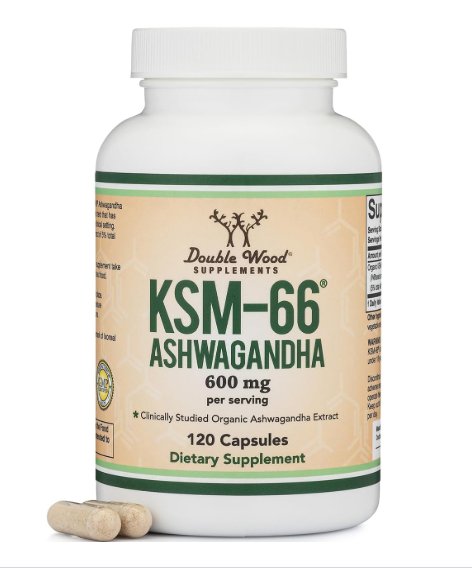 Amazon
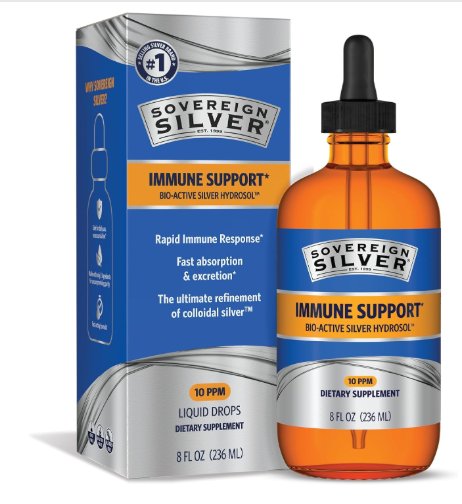 Amazon
 Amazon
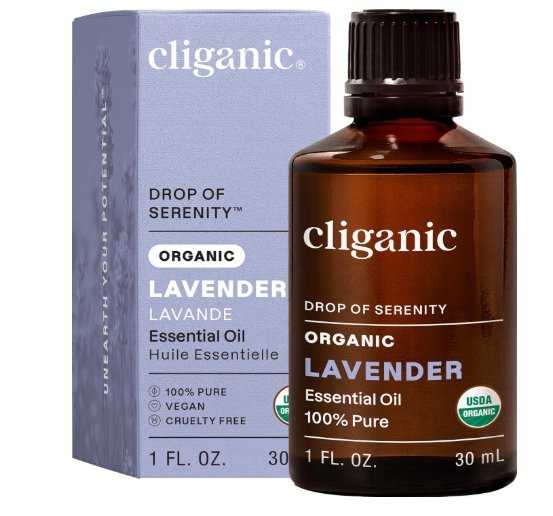 Amazon

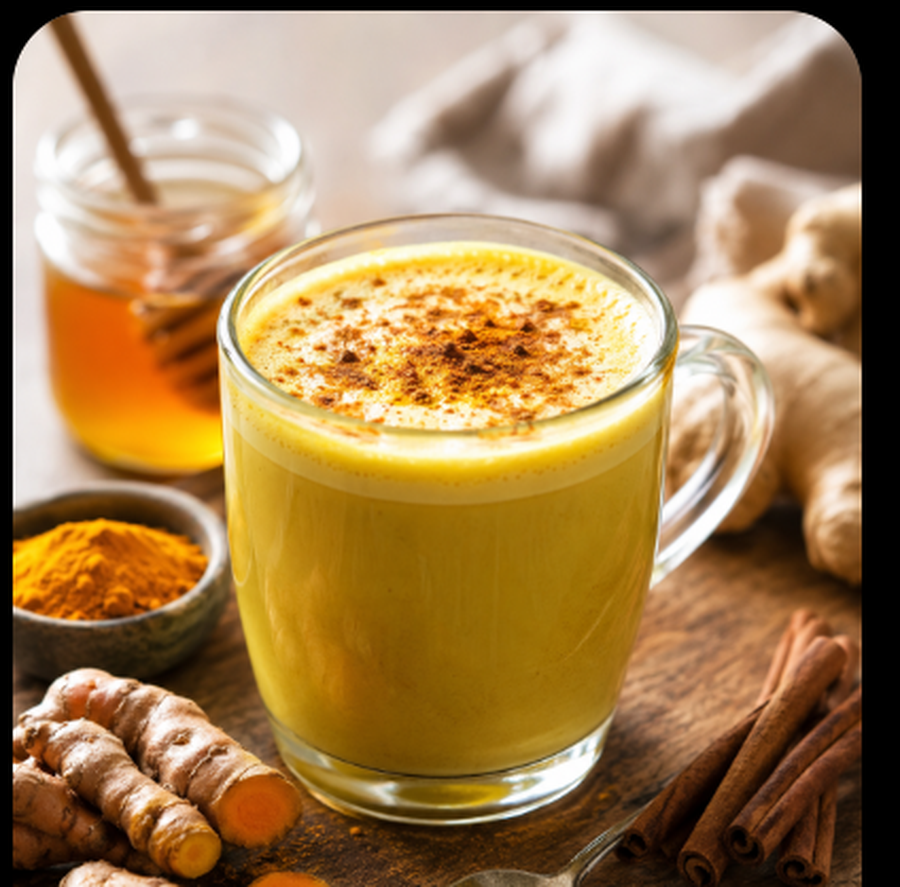
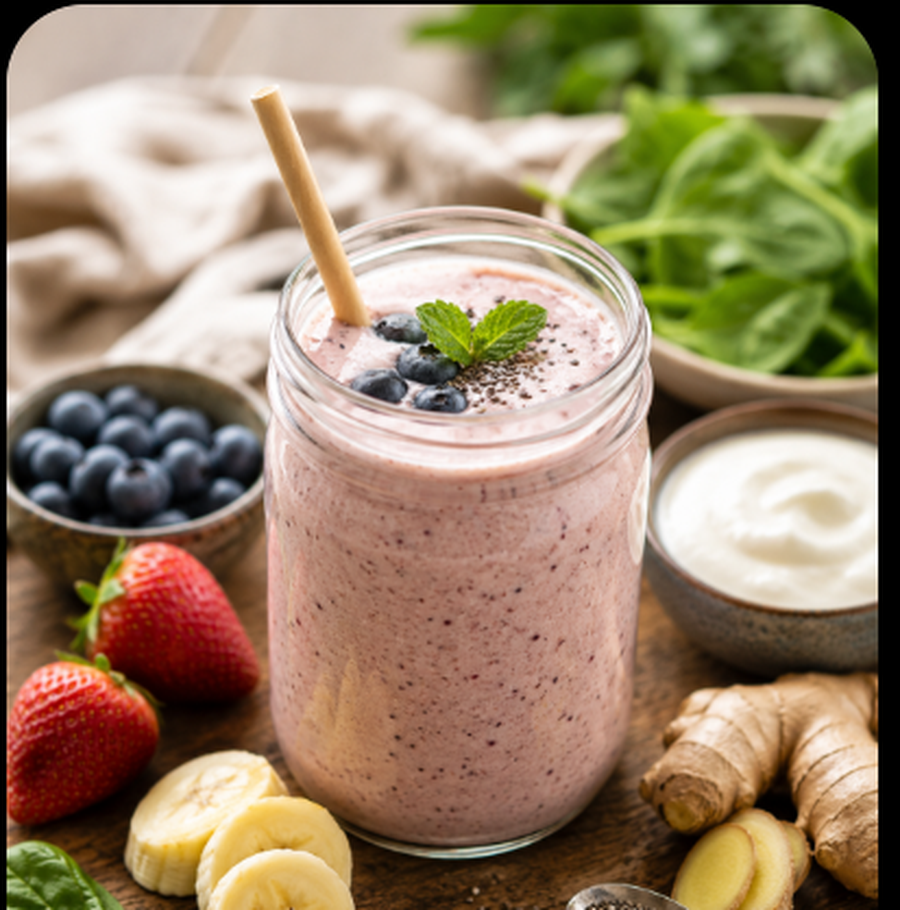
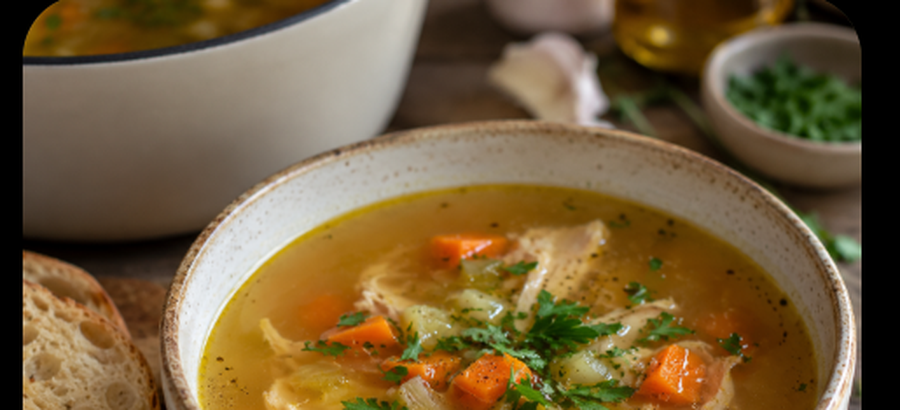
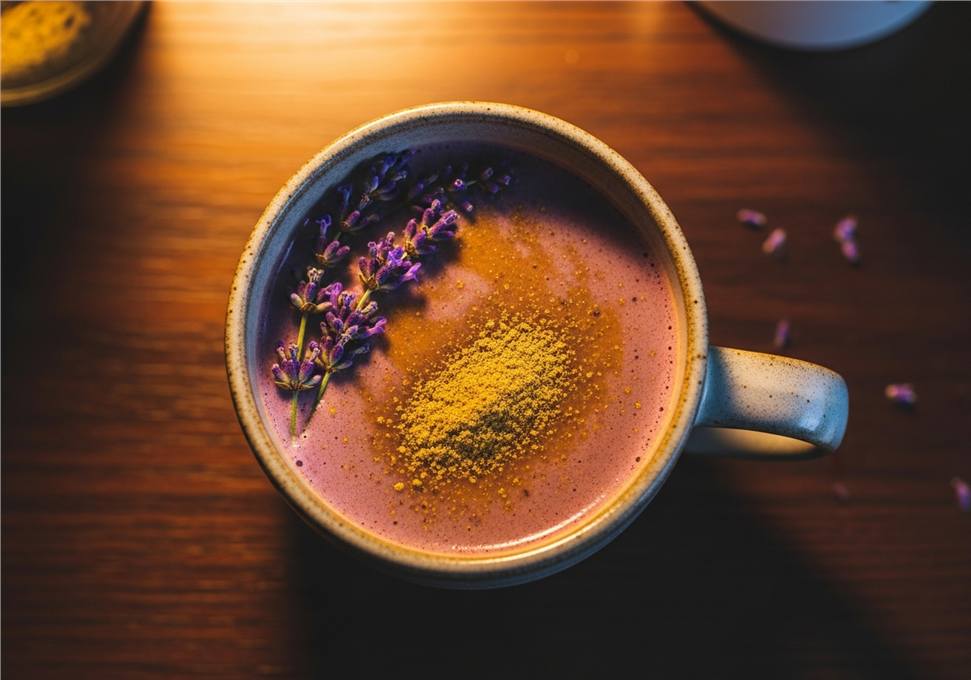
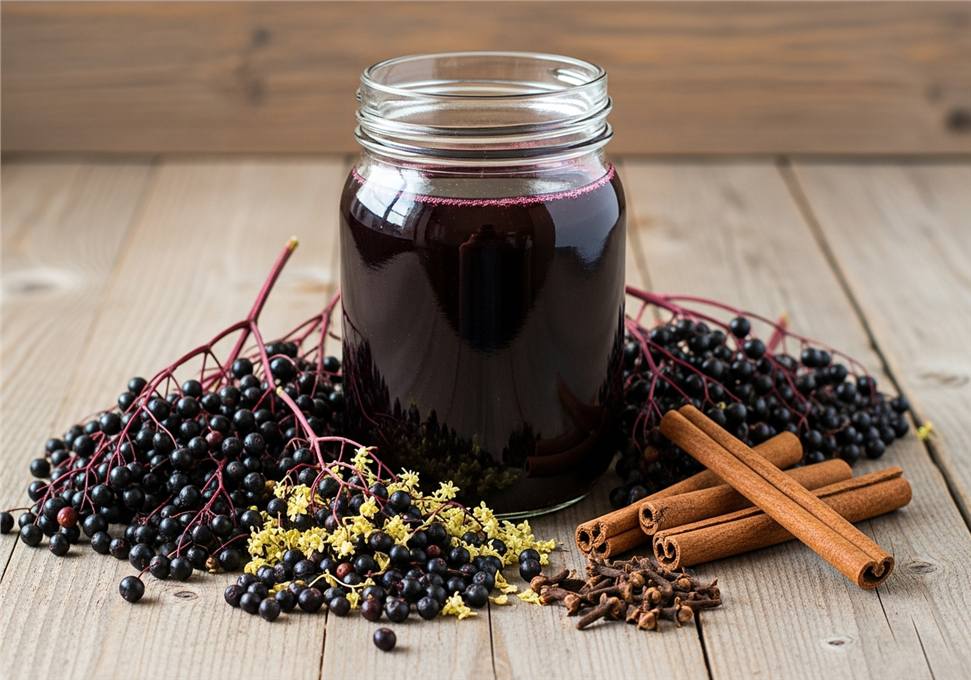
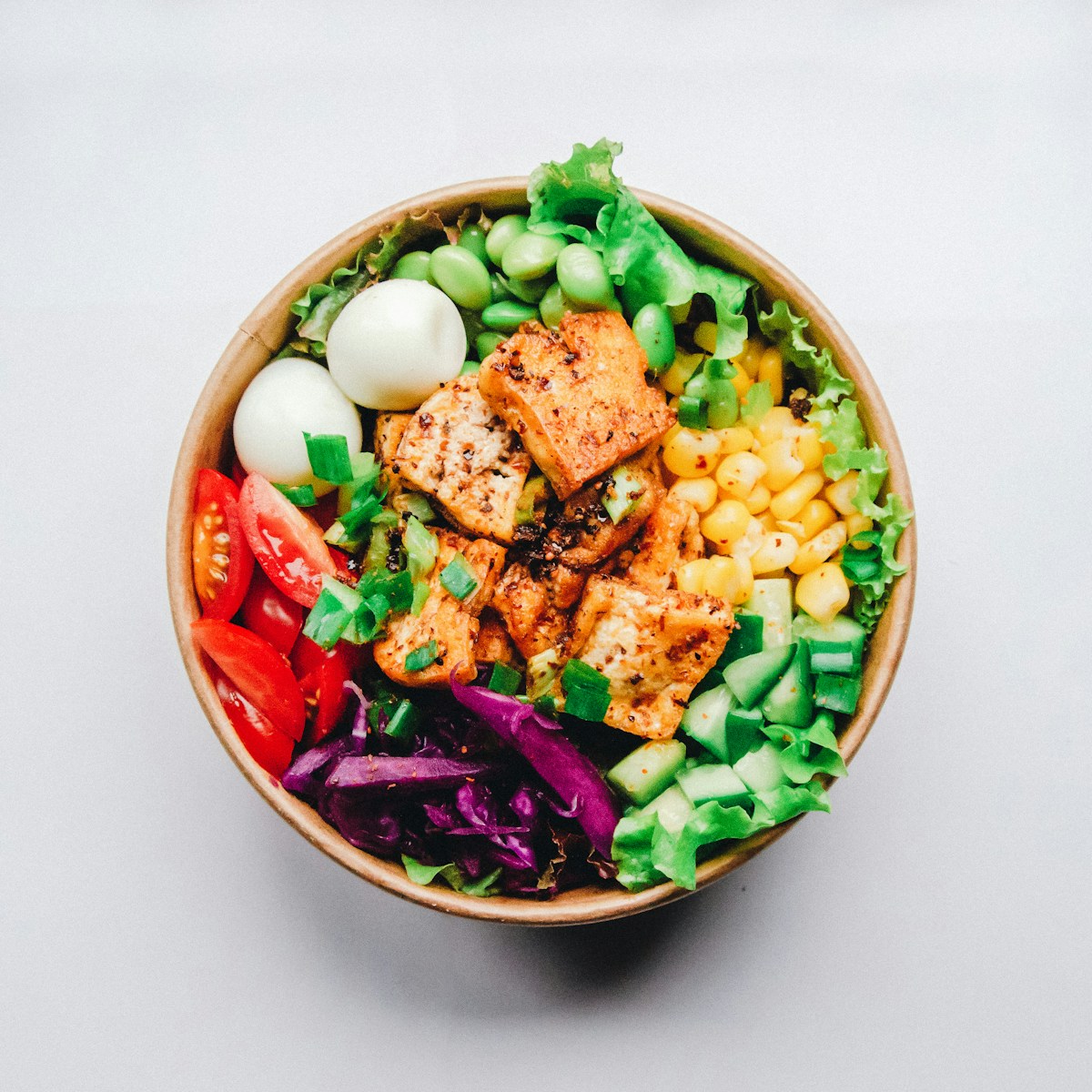
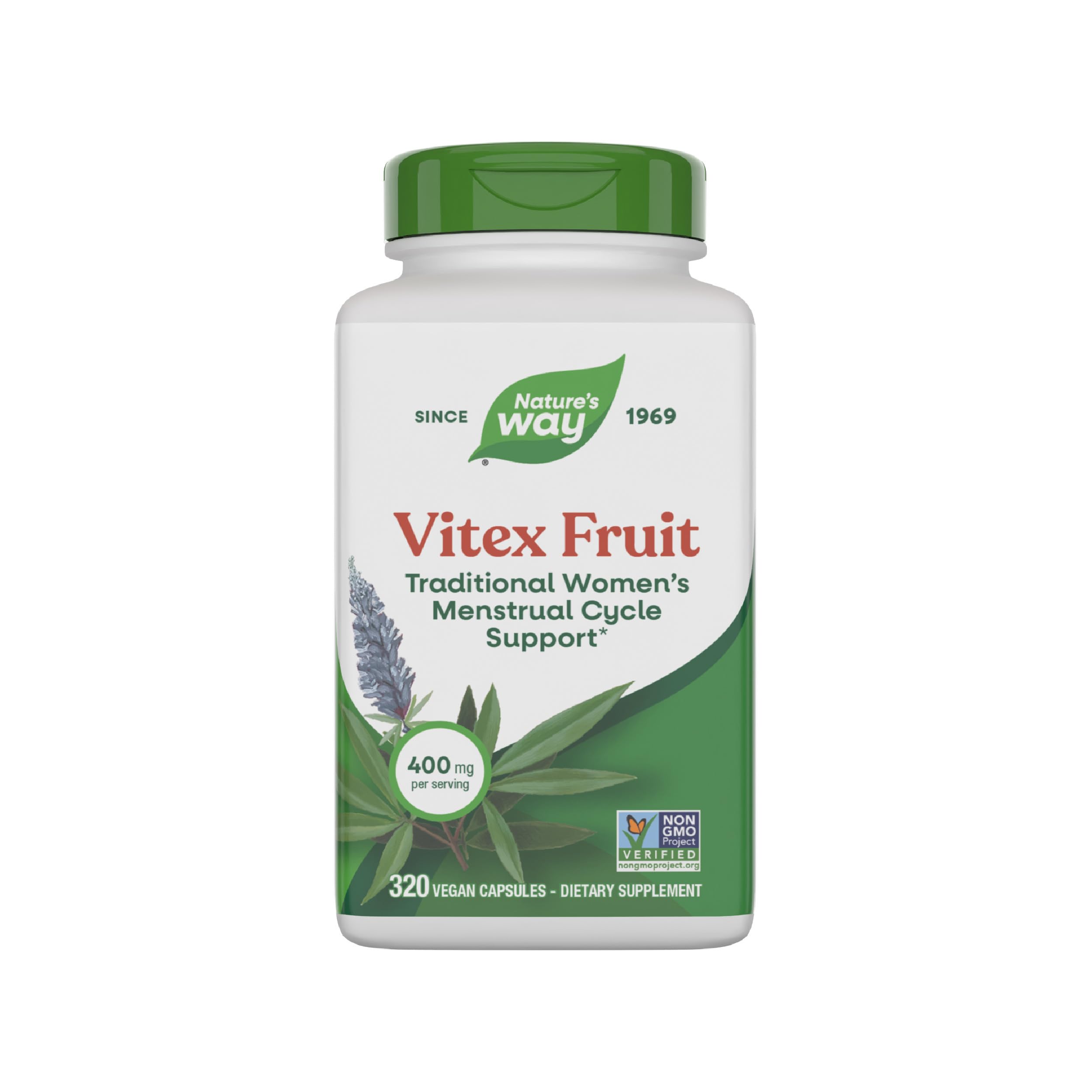
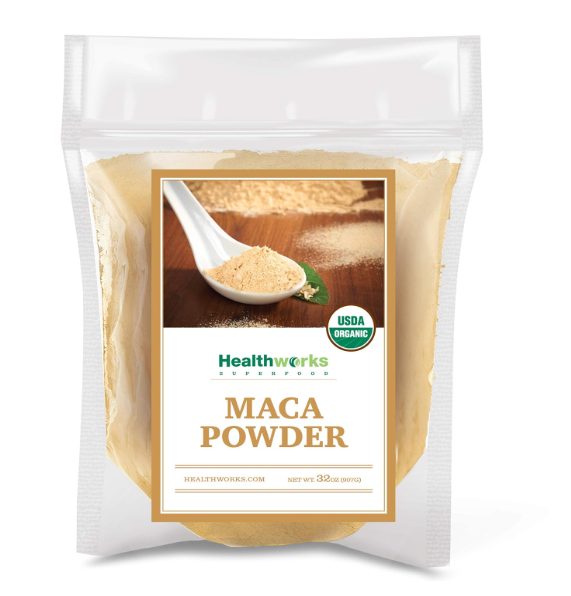
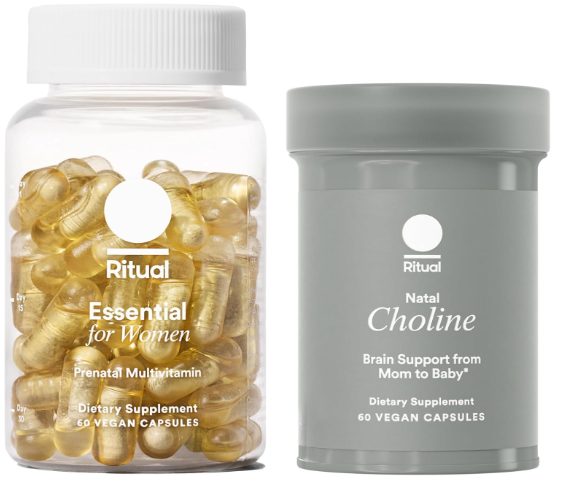
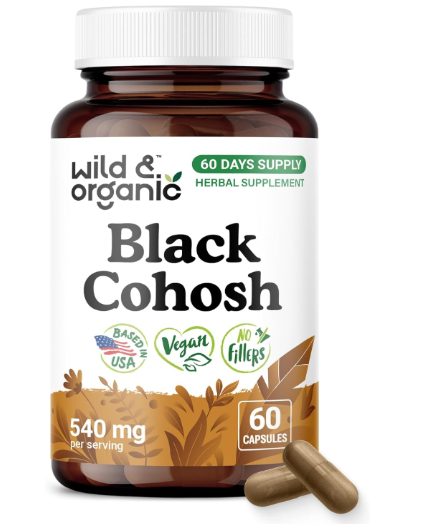
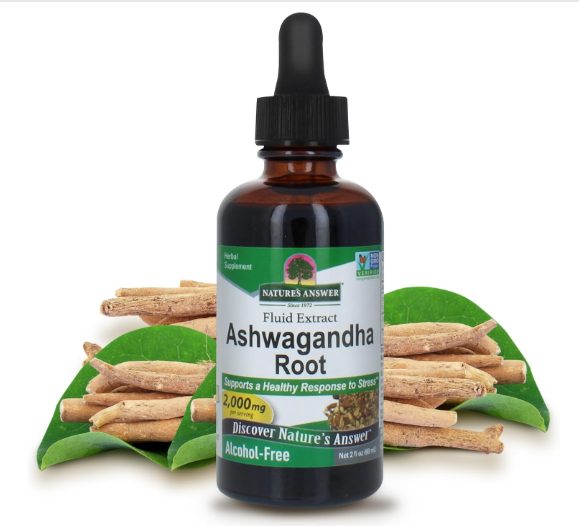
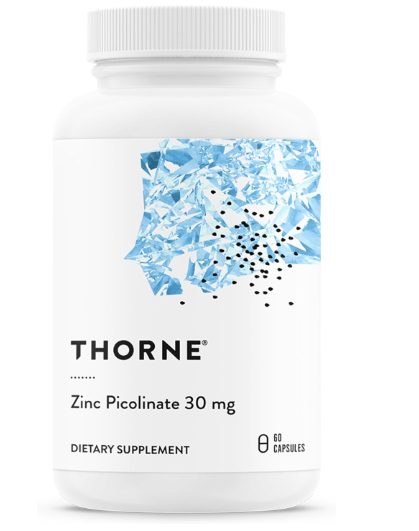
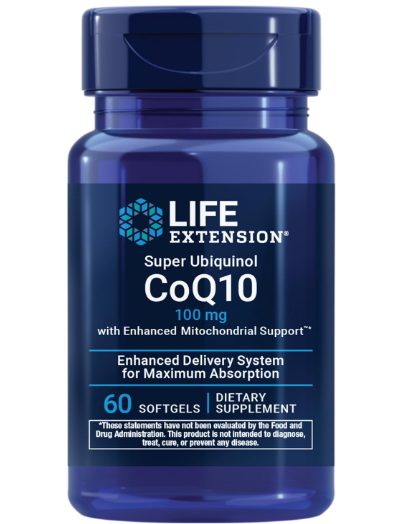
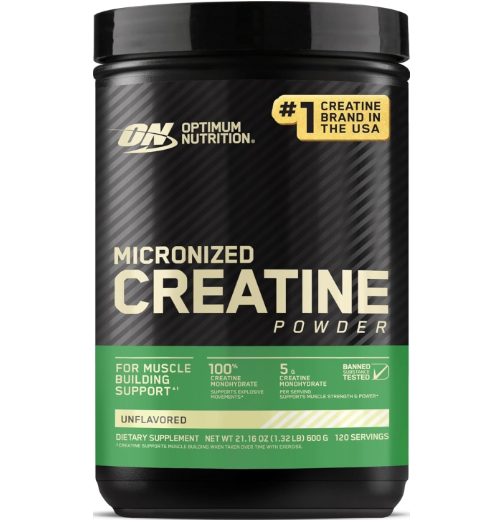
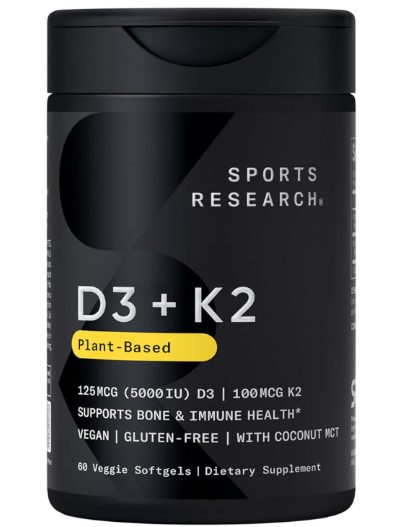


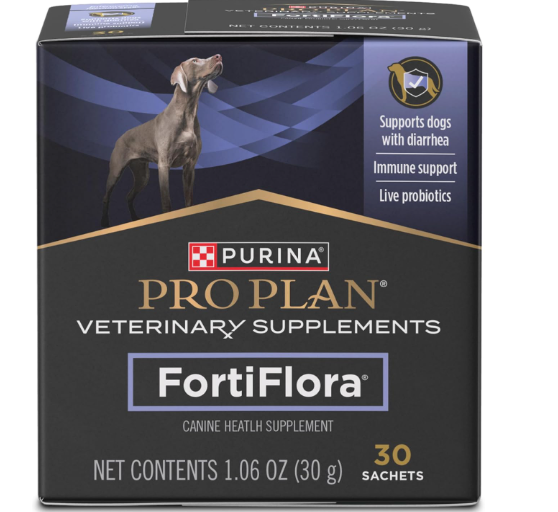

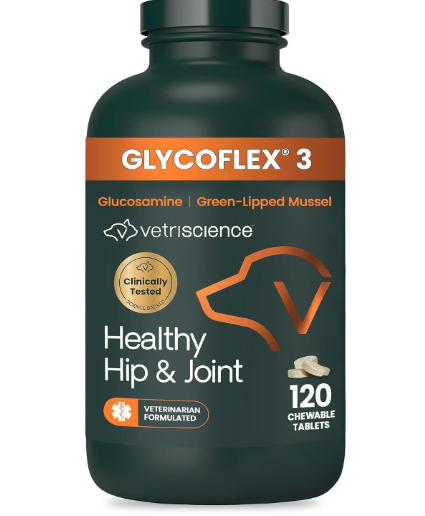

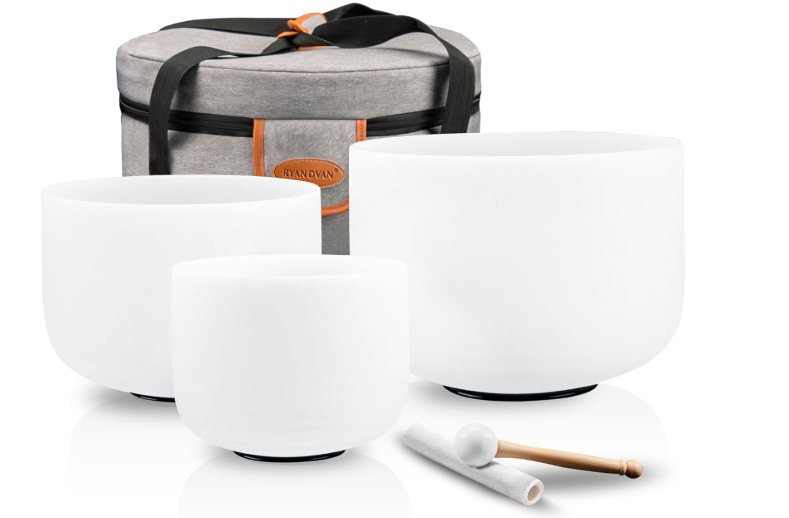
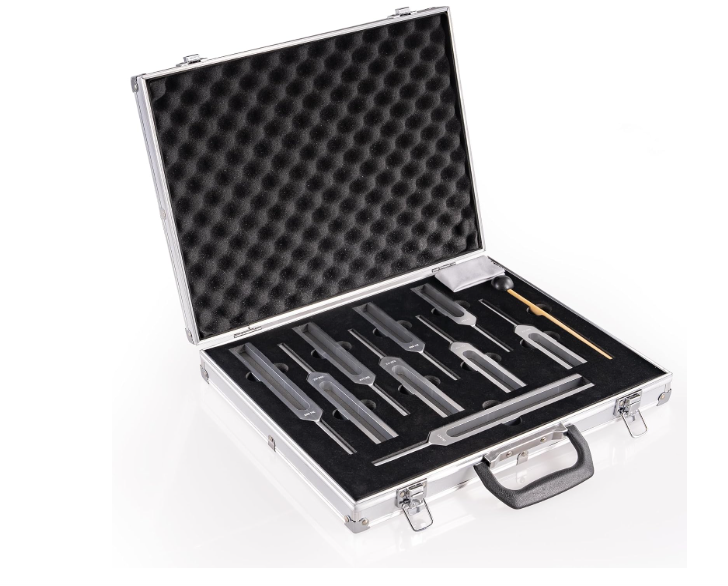
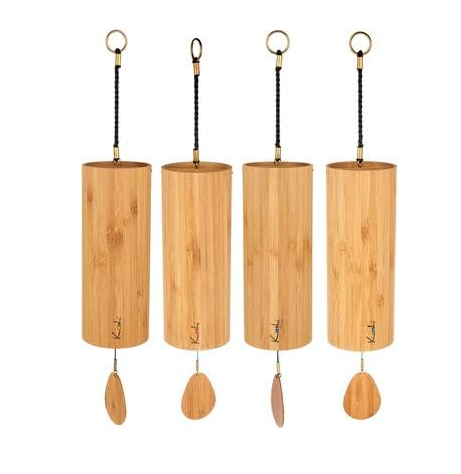
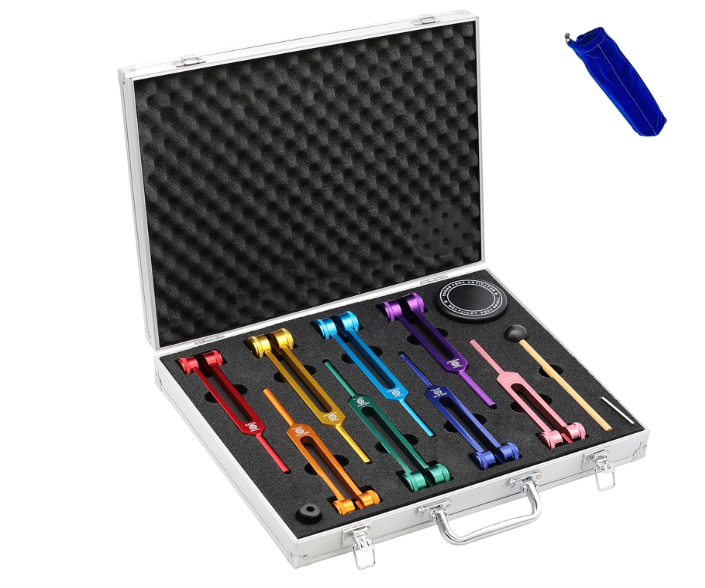
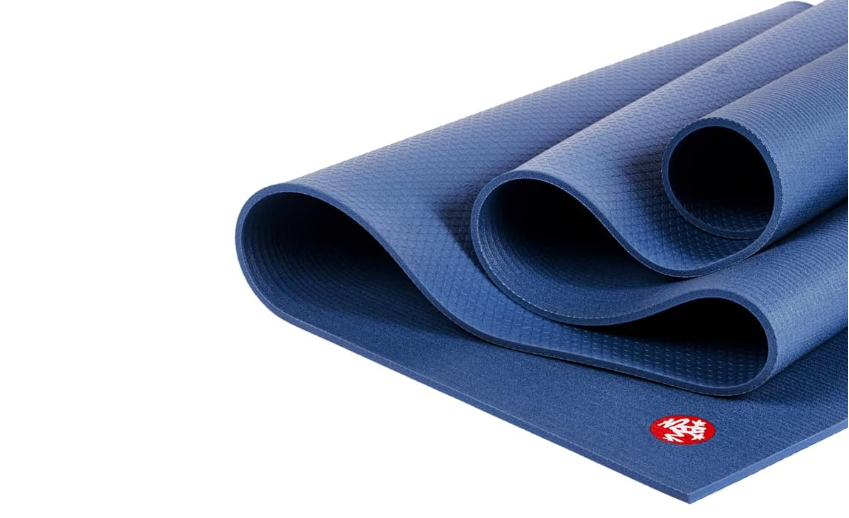
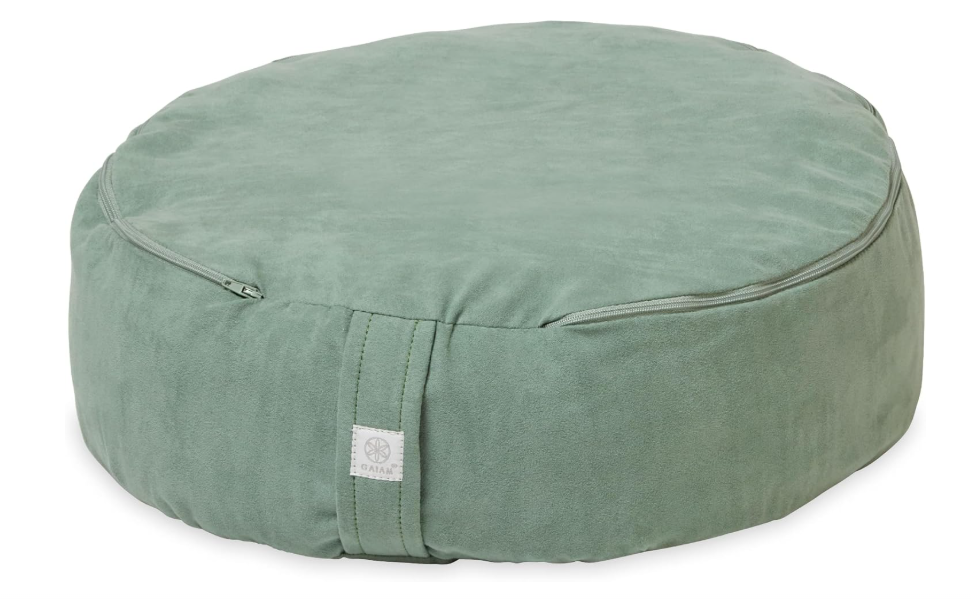
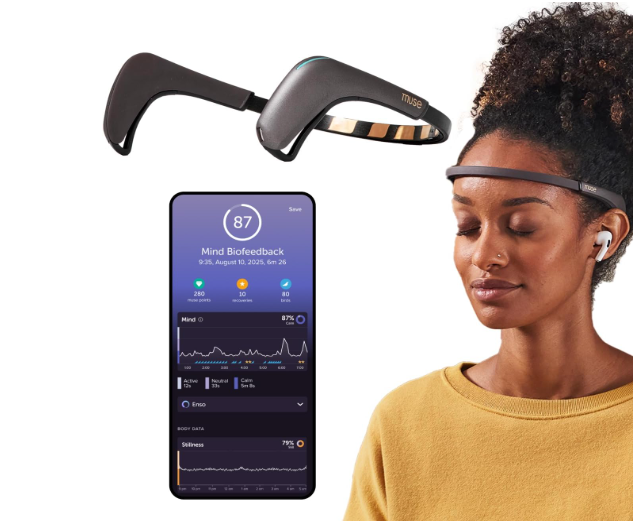
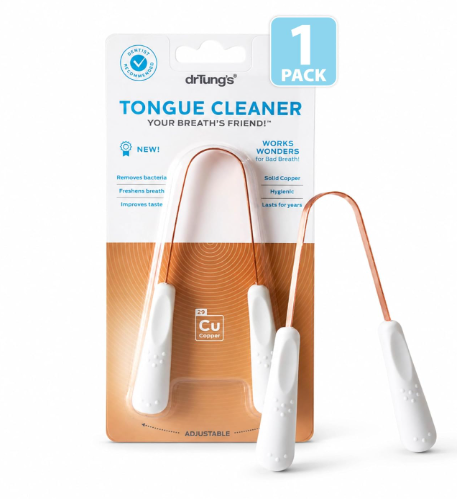
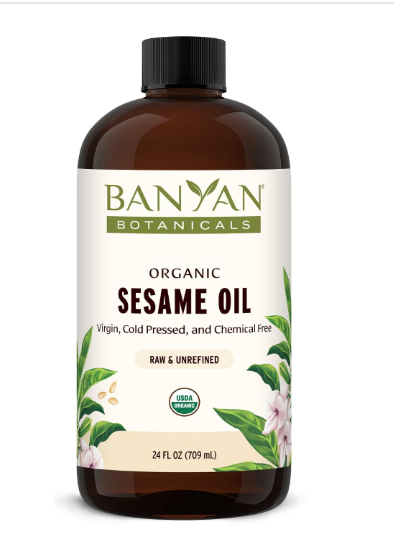
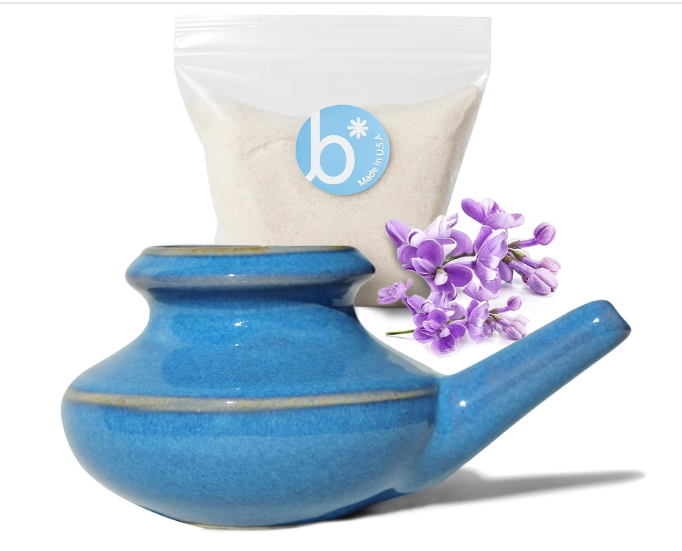
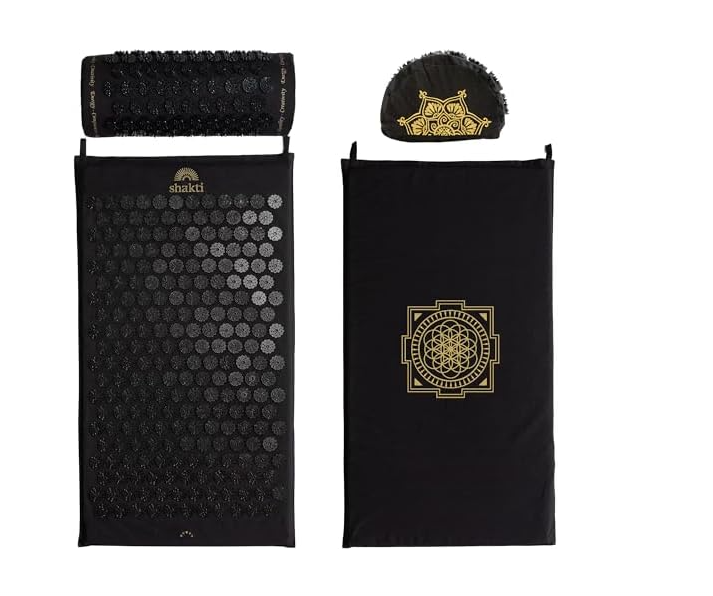
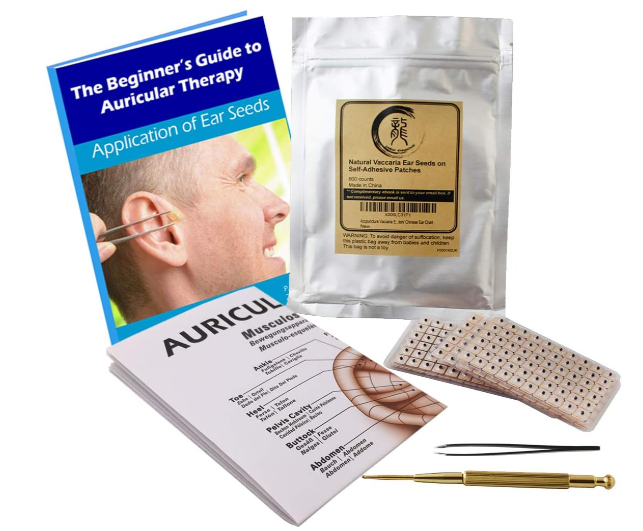
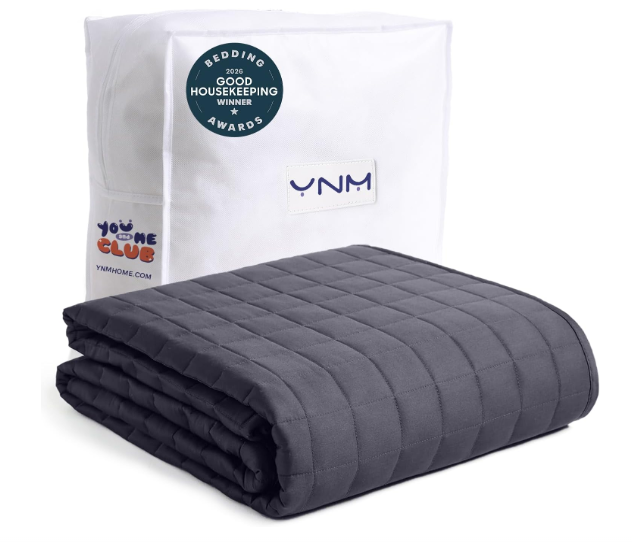
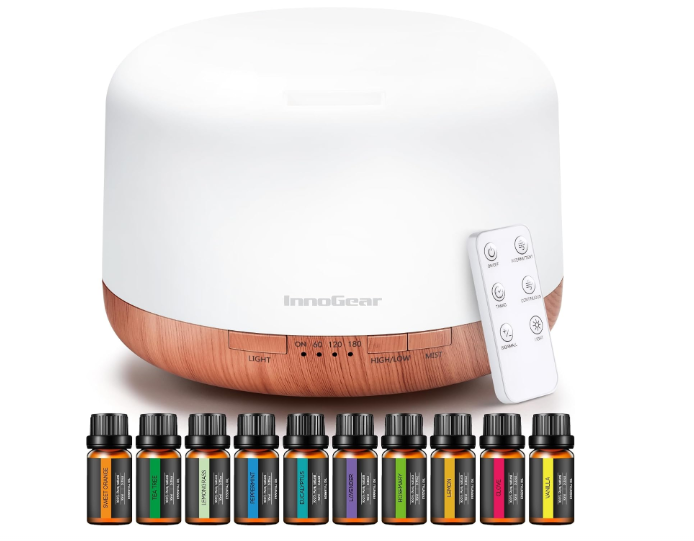

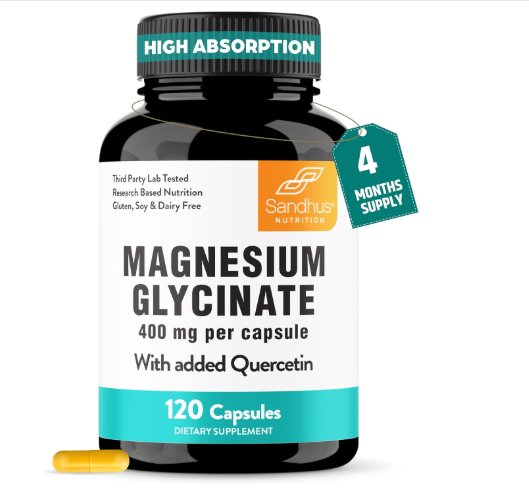
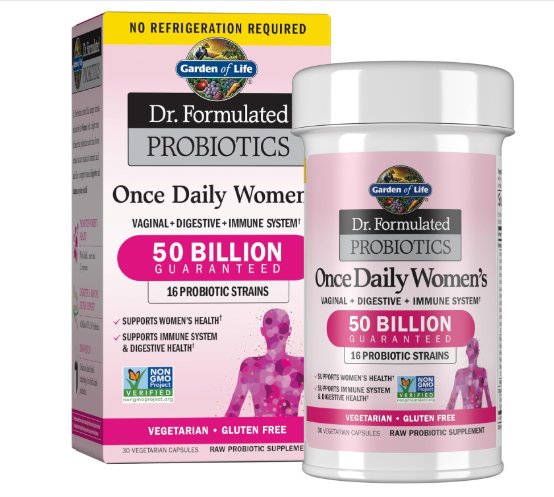
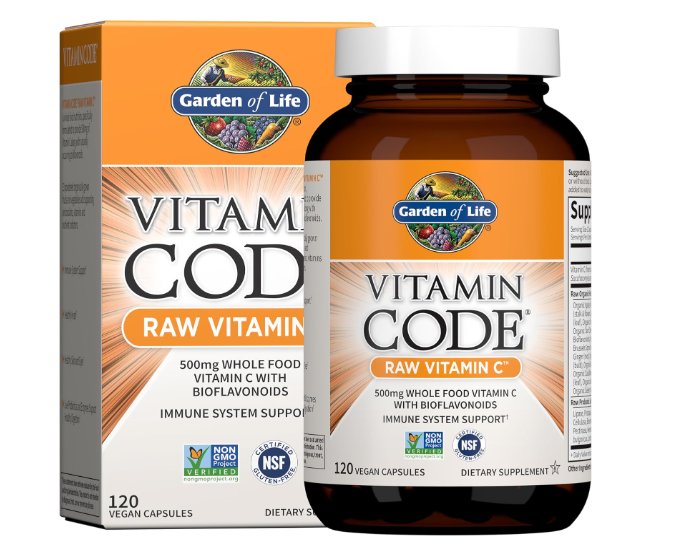
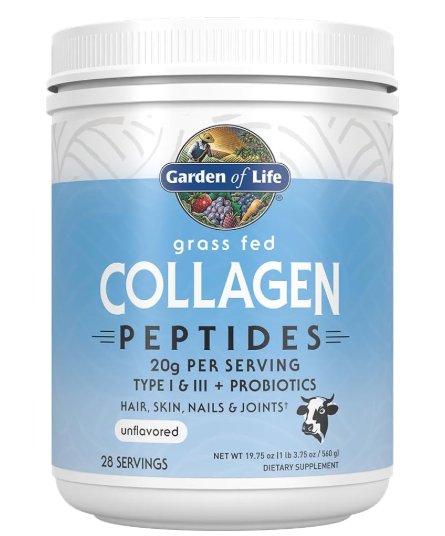
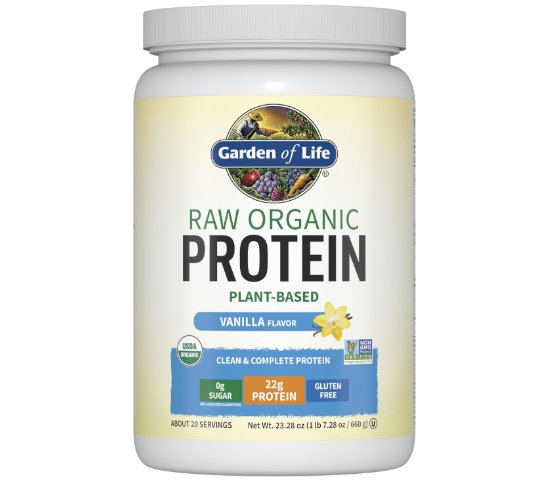
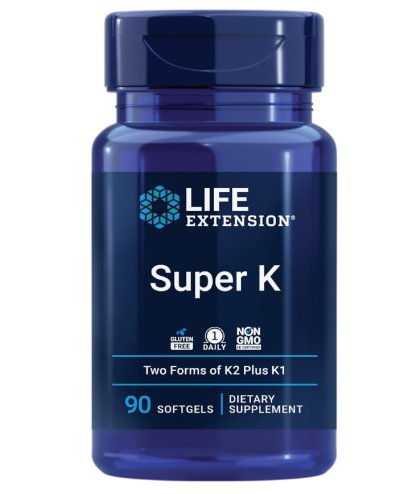
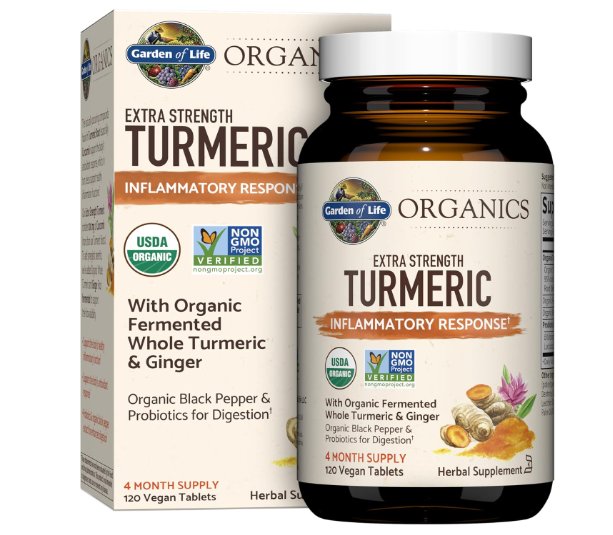

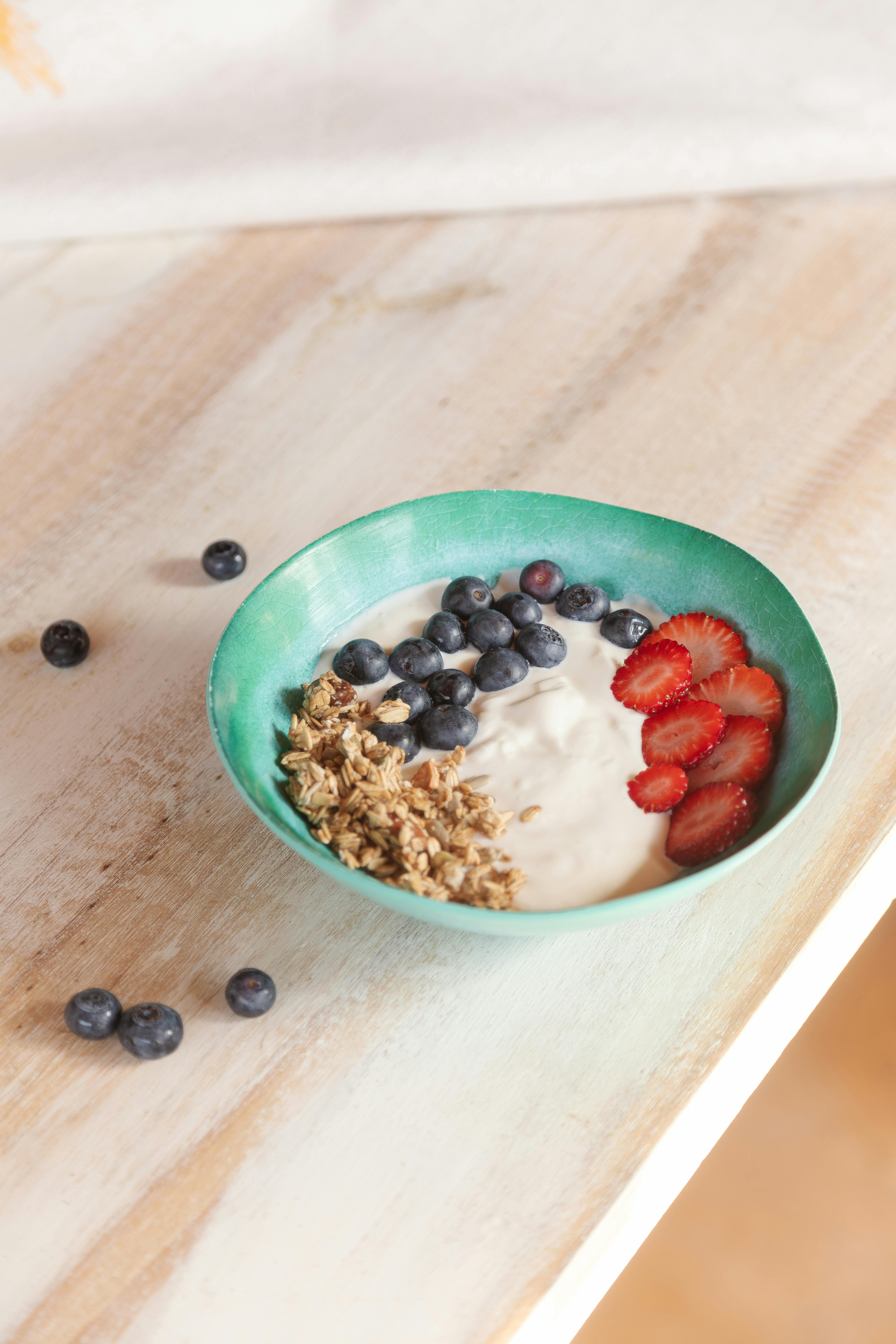


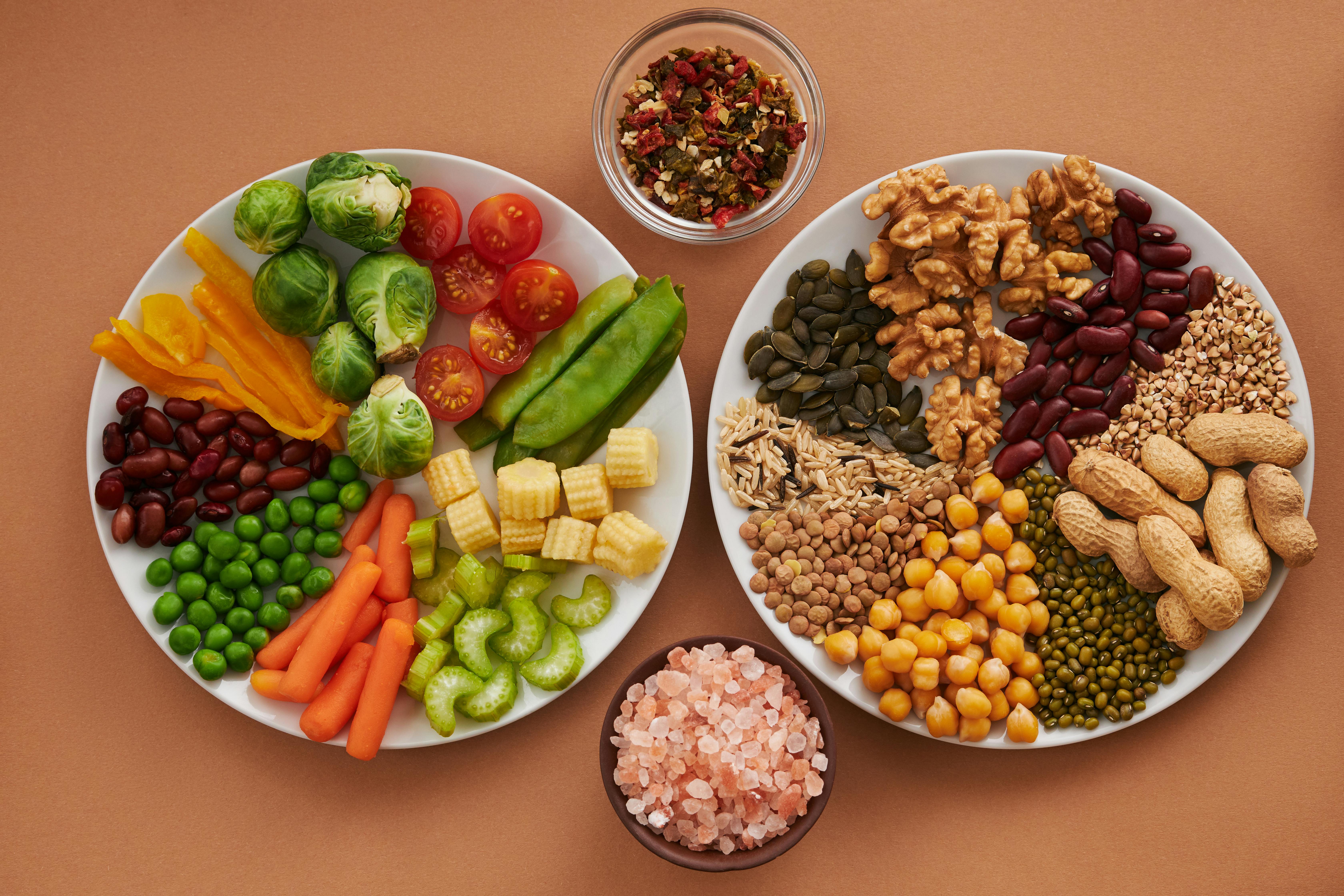




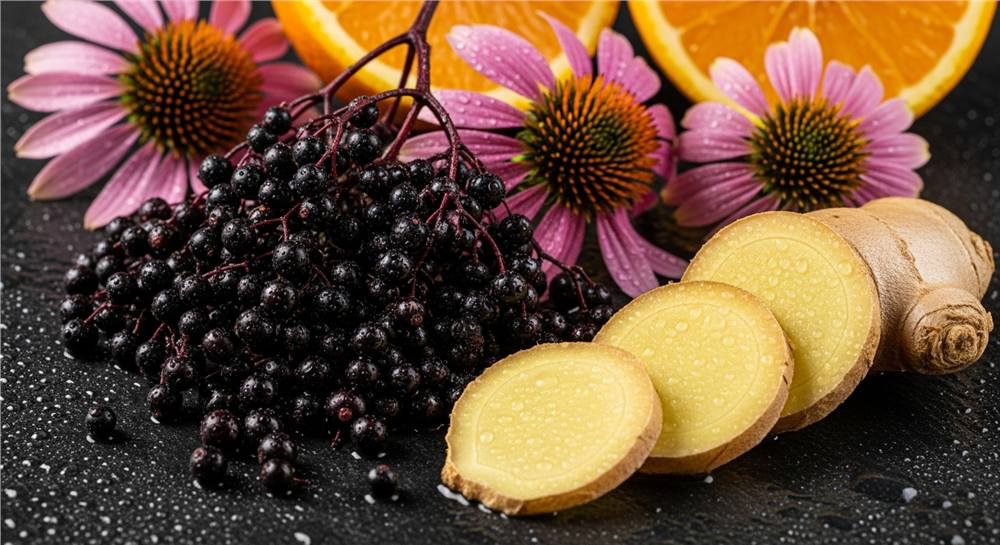

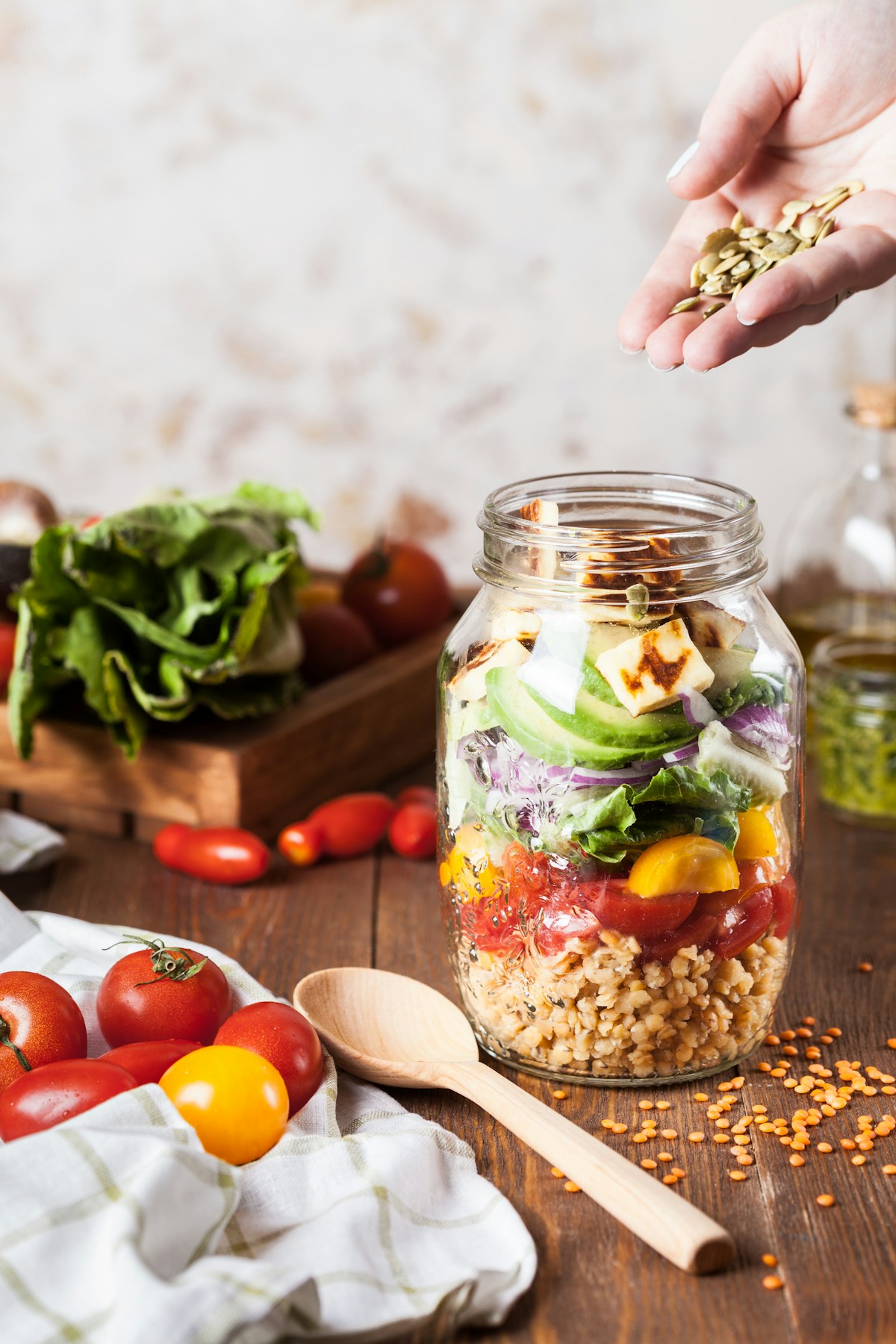










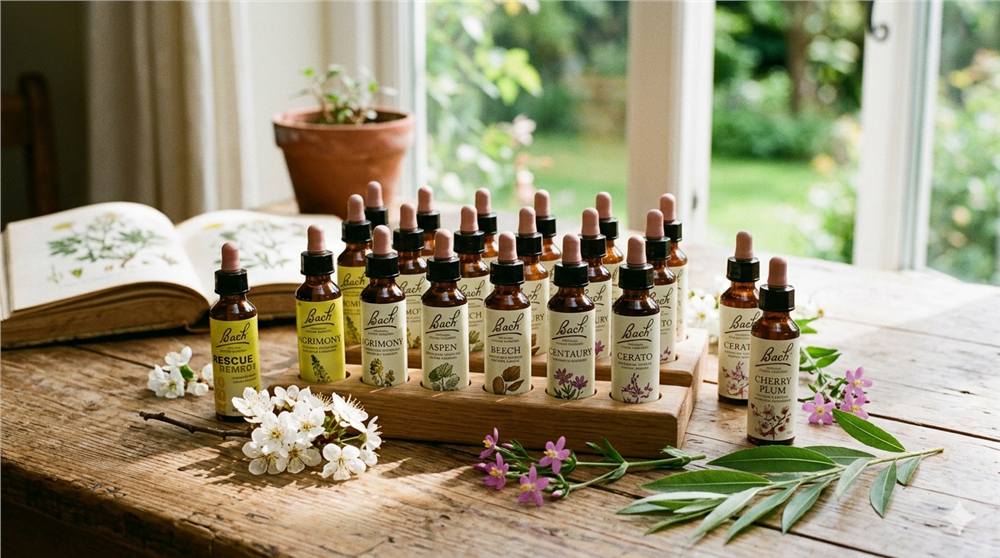
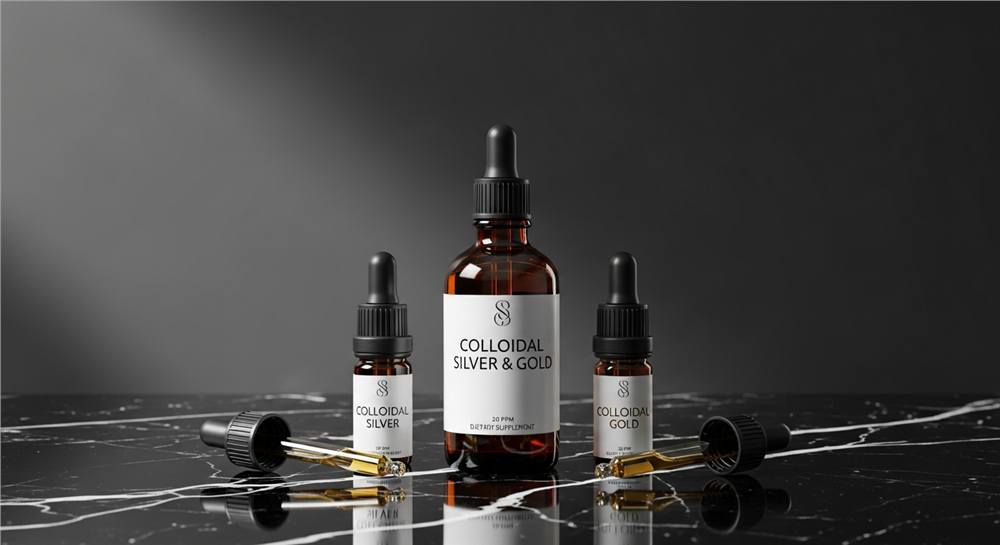



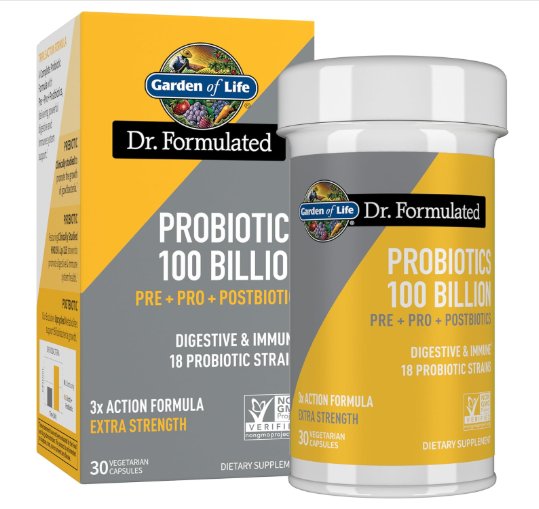 Colloidal Silver →